


I was staring at my screen in late 2024, watching USD/ZAR chop around the R18.50 level.

David van der Merwe
Emerging Markets Trader ·  South Africa
☕ 10 min read
What you'll learn:
- 1What Exactly is Absa Forex? (It's Not What You Think)
- 2The Real Costs: Fees, Margins, and Hidden Charges
- 3Absa vs. Retail Forex Brokers: A Brutally Honest Comparison
- 4The Absa World Trader Account: Your Gateway?
- 5How to Use Absa Forex: A Step-by-Step Walkthrough
- 6Who Should (and Shouldn't) Use Absa Forex
- 7The Future: Digital Innovation and a Stable(ish) Rand

I was staring at my screen in late 2024, watching USD/ZAR chop around the R18.50 level. A client had just asked if he should use his Absa account to trade the pair, given their reputation for ZAR liquidity. The answer wasn't simple. For moving money, Absa is a giant. For active trading? That's a different story. This guide breaks down exactly what Absa Forex is, what it costs, and where it fits (or doesn't) in a South African trader's toolkit.
Most people hear "Absa Forex" and think of a trading platform like MetaTrader. They're wrong. Absa's core forex offering is about banking and international payments, not speculative spot trading. They are an Authorised Dealer, which means they're licensed by the South African Reserve Bank (SARB) to help cross-border money movement within the country's strict exchange controls.
Their services are built for two main groups: individuals sending money abroad (for education, family, or travel) and businesses managing international trade invoices. The platform you might encounter is Absa Access FX, but that's geared toward corporate treasury functions - setting forward contracts to hedge currency risk on future payments, not chasing 10-pip moves on EUR/USD.
If you're looking for a platform to scalping strategy the markets, you're in the wrong place. But if you need to move R500,000 to the UK for a property deposit and want a bank that understands the SARB tax clearance process inside out, then we're talking. The distinction is critical. Confusing Absa's payment services with a retail forex broker is the first step to frustration.

Warning: Don't open an Absa Forex service expecting use, real-time charts with the MACD indicator, or the ability to go short on the rand with a click. That's not their business model. You'll need a dedicated FSCA-regulated broker for that.

💡 Winston's Tip
A bank's forex service is a cost center for your business. A broker's platform is a potential profit center for your trading. Never confuse the two tools.
“Absa is a premier South African bank. It is not a forex broker.”
This is where most people get a shock. Banks don't make money from tight spreads; they make money from fees and margins on the exchange rate. Absa's pricing is transparent if you know where to look, but it's rarely cheap for small amounts.
Let's talk about sending R100,000 overseas to pay for imports, a common business need. If you do it online, Absa charges a 0.55% commission. That's R550 right off the top. The minimum commission is R190, so on transfers below R34,545, you're paying that minimum. Then there's a R100 electronic fee. But the real kicker is the exchange rate margin.
Absa (and every bank) adds a margin to the mid-market rate. For major pairs like USD/ZAR or EUR/ZAR, this can be 1.2% to 1.5%. On R100,000, that's another R1,200 to R1,500 you're losing before the money even leaves the country. So your total cost isn't just the R550 commission, it's R550 + R100 + ~R1,350 = roughly R2,000 on a R100k transfer.
Receiving Money Isn't Free Either
Need to get paid in USD from a client abroad? Absa will charge you a commission on the incoming amount too (0.55% online, min R190). The bank on the other end will also charge a fee, and sometimes a correspondent bank takes a cut. I've seen clients lose 3-4% of a payment by the time it lands in ZAR.
The Currency Investment Account
This is a bright spot. You can hold foreign currency (up to 18 types) in this account with no monthly fee. The interest you earn is based on LIBID minus Absa's margin. It's a decent parking spot for funds you've externalized, but it's not a trading account. There's no use, no order types - it's a savings account in another currency.

Example: Sending $10,000 (approx R185,000) via SWIFT online.
- Commission (0.55%): R1,017.50
- Electronic Fee: R100
- Estimated Exchange Rate Margin (1.3%): R2,405 Total Estimated Cost: R3,522.50 That's about 1.9% of your total transfer value, gone.

“The cargo ship (Absa) is for moving large, valuable goods safely under strict rules. The speedboat (retail broker) is for navigating the markets quickly.”
This is the heart of the matter. Choosing between Absa and a broker like IC Markets or Pepperstone depends entirely on your goal. Let's put them side-by-side.
| Feature | Absa Forex Services | Typical FSCA Retail Forex Broker |
|---|---|---|
| Primary Purpose | International Payments, Hedging | Speculative Trading |
| use on USD/ZAR | 1:1 (No use) | Up to 30:1 (FSCA Limit) |
| Spread on USD/ZAR | 1.2% - 4% Margin (120-400 pips) | 1.5 - 3 pips |
| Platform | Absa Online, Access FX (Corporate) | MetaTrader 4/5, cTrader |
| Regulator | SARB (Exchange Controls), FSCA | FSCA |
| Minimum Trade | Based on transfer amount | As low as 0.01 lots |
| Can You Short the Rand? | Not directly | Yes, instantly |
See the difference? It's like comparing a cargo ship to a speedboat. The cargo ship (Absa) is for moving large, valuable goods safely under strict rules. The speedboat (retail broker) is for navigating the markets quickly, with agility and risk.
I made this mistake early on. I tried to use a bank platform for swing trading ideas. The spreads were so wide I needed a 500-pip move just to break even. It was hopeless. A broker's 2-pip spread meant my trade was in profit 10 pips into the move. For active trading, the broker wins every time on cost and functionality.
However, for legitimacy and moving large sums under the SARB allowances, Absa's structure is reassuring. They handle the compliance for you. If you're using your R1 million single discretionary allowance, doing it through your long-term bank looks cleaner on your financial profile than sending it to a broker in Cyprus, even if that broker is legit.
💡 Winston's Tip
Always calculate the total cost of an Absa transfer: Commission + Fixed Fee + Exchange Rate Margin. That last one is the silent killer.
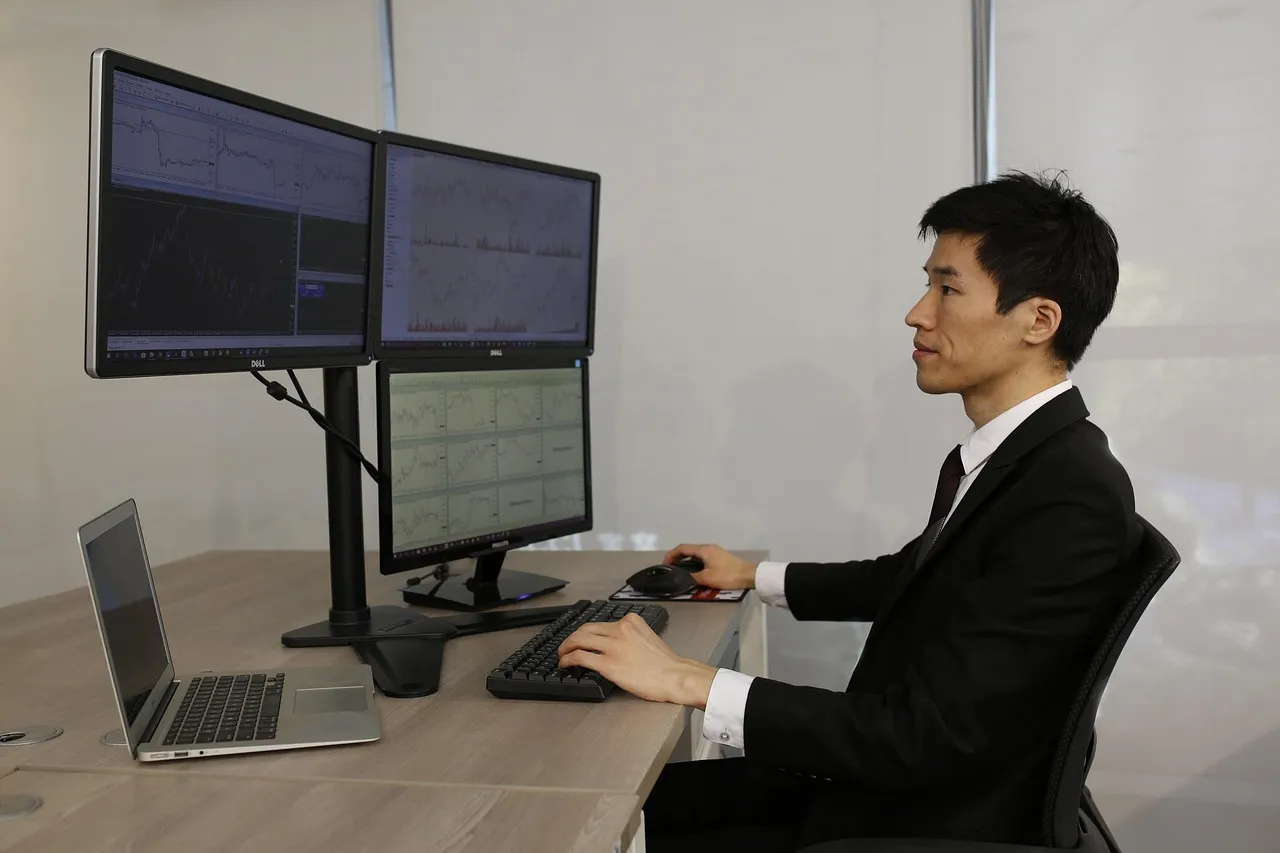
“The cargo ship (Absa) is for moving large, valuable goods safely under strict rules. The speedboat (retail broker) is for navigating the markets quickly.”
This is Absa's product that gets closest to actual trading. The World Trader Account lets you hold a base currency (USD, EUR, GBP) and invest on international exchanges. It's not for forex CFDs; it's for buying actual shares on the NYSE, LSE, etc.
I opened one to test the process. Funding it from my Absa cheque account took about 90 minutes during business hours. The interface is... a bank interface. It's functional for buying Apple or Tesla stock, but you won't find a Volume Profile tool or Fibonacci retracements here.
The Critical Limitation: You are subject to South Africa's exchange controls. Your R1 million discretionary allowance (no tax clearance) and R10 million foreign investment allowance (with tax clearance) are your limits. Every rand you put into this account counts against those ceilings. With a retail forex broker regulated offshore, your deposits are often considered "loans" to the broker for trading purposes, not formal externalization, which can work differently for tax and allowance purposes (consult a financial advisor!).
The World Trader Account is a solid, compliant way for a South African to build a long-term offshore equity portfolio. It is not a tool for a trader. The execution speed, lack of advanced order types, and inability to trade derivatives make it unsuitable for active strategies. It's an investment account, not a trading terminal.
“For active trading, the broker wins every time on cost and functionality.”
Let's say you need to pay a supplier $25,000. Here's what actually happens, step-by-step, with the pain points called out.
- Check Your Allowances: First, confirm you have enough of your R11 million annual allowance left. Your banker can help, but you should track this yourself.
- Get Tax Clearance (If Needed): For amounts over R1 million, you need a Tax Compliance Status (TCS) PIN from SARS. This can take weeks. Don't wait until the payment is due.
- Log into Absa Online: Go to the 'Payments' or 'Forex' section. Select 'International Transfer'.
- Input Details: You'll need the beneficiary's full banking details (SWIFT/BIC, IBAN/account number). One wrong digit can cause a massive delay and extra fees.
- See the Rate: Absa will show you an "indicative rate." Remember, this has their margin baked in. It's not the rate you see on Google. Use a pip definition calculator to see the difference - it's huge.
- Pay the Fees: You can choose to pay all fees yourself (OUR) or share them with the beneficiary (SHA). Almost always choose OUR so your supplier gets the exact amount.
- Submit and Wait: The payment will go via SWIFT. It can take 2-5 business days. The money will pass through correspondent banks, each potentially taking a fee if not instructed properly.

Pro Tip: For recurring business payments, ask about a Forward Exchange Contract (FEC) on Absa Access FX. This lets you lock in a rate today for a future payment (e.g., in 90 days). It eliminates rate risk. It's a proper corporate hedging tool, not for traders, but brilliant for business owners.
💡 Winston's Tip
Your SARB allowances are a valuable, finite resource. Using them for a high-cost bank transfer for a small amount is poor resource management. Batch smaller payments where possible.
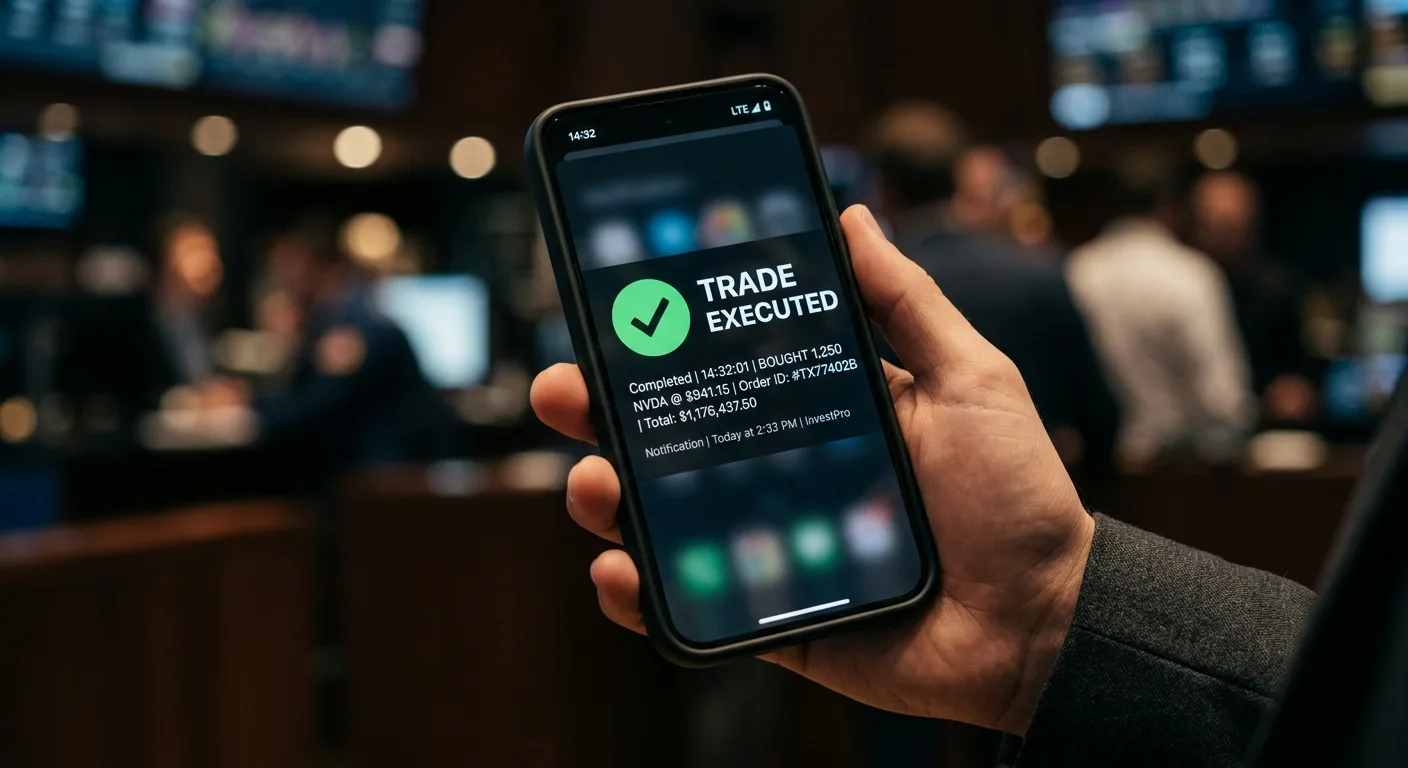
“For active trading, the broker wins every time on cost and functionality.”
Use Absa Forex If:
- You are a business owner paying overseas suppliers or receiving foreign income.
- You are an individual externalizing funds for emigration, property, or education under SARB allowances.
- You need the security and compliance hand-holding of a major bank.
- You want a foreign currency savings account (Currency Investment Account) with easy linkage to your local accounts.
- You need to hedge known future currency exposures (via FECs).
Avoid Absa Forex If:
- You want to actively trade forex, indices, or commodities for profit.
- You need use greater than 1:1.
- You are a scalping strategy or day trader where spreads are the primary cost.
- You want advanced trading platforms, indicators like the RSI indicator, or automated trading.
- Your goal is to frequently move in and out of positions. The costs will destroy you.
My rule of thumb: If you're thinking in terms of "positions" and "stop-losses," you need a broker. If you're thinking in terms of "invoice amounts" and "settlement dates," you need a bank. Absa is a premier South African bank. It is not a forex broker.
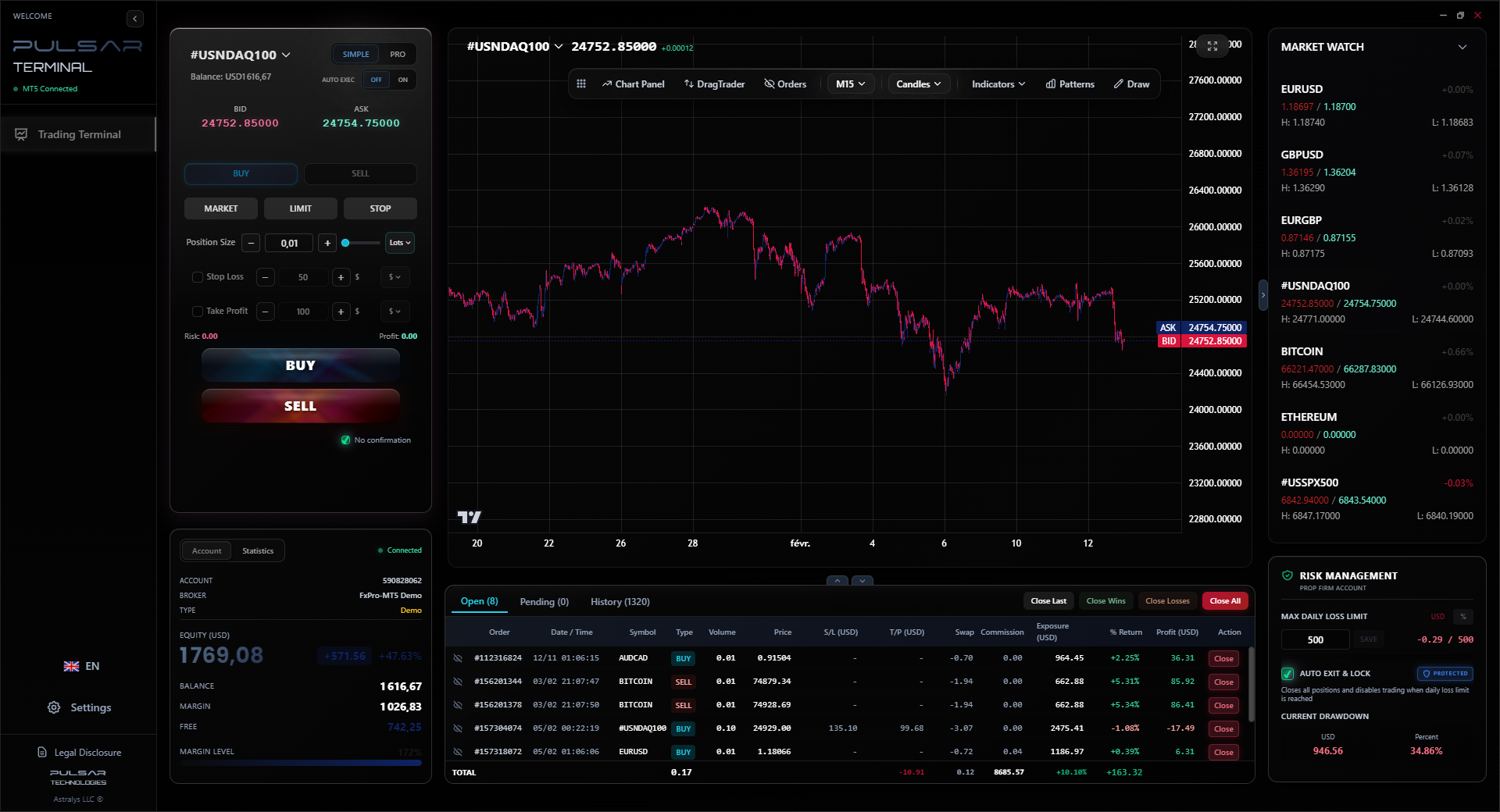
Managing complex trades and protecting profits requires tools far beyond a banking portal, which is why professional traders use platforms like Pulsar Terminal on MT5 for advanced order management.
Pulsar Terminal
The all-in-one MT5 companion: drag-and-drop orders, multi-TP/SL, trailing stop, grid trading, Volume Profile, and prop firm protection. Used by 1,000+ traders daily.
“If you're thinking in terms of 'positions,' you need a broker. If you're thinking 'invoice amounts,' you need a bank.”
In 2024, Absa's Head of FX noted the rand traded in a surprisingly tight range (R18-R19/USD) for much of the year, with volatility spiking around elections and US Fed decisions. The end of load-shedding and the GNU provided stability, pushing the rand toward R17. This stability is good for businesses using Absa's services - it makes forecasting easier.
Absa is pushing digital integration. The goal is a seamless single sign-on for all international banking and forex needs. For the user, this means less logging in and out between systems. For the trader, it doesn't change the fundamental product.
The regulatory landscape is firm. The FSCA's 30:1 use cap for retail traders is now standard, protecting many from themselves. SARB's exchange controls aren't going away. Absa's role as a gatekeeper and facilitator within this framework is secure.
For the active trader, the innovation is happening elsewhere - in tools like advanced terminal software that plugs into MT5. Think automated trade management, where you can set a trailing stop and walk away, or tools that visualize order flow. That's the kind of power a real trading operation needs, and you won't find it in your online banking portal.
FAQ
Q1Can I trade forex with use on Absa's platform?
No. Absa's forex services are for payments, hedging, and currency holding, not leveraged speculative trading. You cannot open a margin trading CFD account with Absa. For use up to the FSCA limit of 30:1, you need a dedicated retail forex broker.
Q2What are Absa's forex exchange rates like compared to the market rate?
Absa adds a margin, typically between 1.2% and 4%, to the mid-market rate. For R100,000, this means you could be paying R1,200 to R4,000 extra just on the exchange rate, before their fixed fees. It's significantly more expensive than the raw spreads offered by brokers.
Q3Is the Absa World Trader Account good for trading?
It's good for long-term investing in international stocks. It is not designed for active trading. It lacks advanced charts, fast execution for short-term moves, and derivatives trading. It's an investment account that uses your SARB foreign allowances.
Q4How long does an international transfer with Absa take?
A SWIFT payment via Absa usually takes 2 to 5 business days to reach the beneficiary's account, depending on the destination, currencies, and intermediary banks.
Q5Do I need tax clearance from SARS to use Absa Forex?
It depends on the amount. For transfers within your R1 million single discretionary allowance, no. For transfers using your R10 million foreign investment allowance, yes, you need a Tax Compliance Status (TCS) PIN from SARS. Absa will require this documentation.
Q6What is Absa Access FX?
It's Absa's advanced platform for corporate and business clients. It's used for managing bulk international payments, setting up Forward Exchange Contracts (FECs) to hedge future currency risk, and accessing deeper liquidity. It is not a platform for retail spot forex trading.
Prof. Winston's Lesson
Key Takeaways:
- ✓Absa Forex is for payments, not leveraged trading.
- ✓Total costs often exceed 2% due to hidden margins.
- ✓World Trader is for investing, not active trading.
- ✓Use SARB allowances strategically for large transfers.
How useful was this article?
Click a star to rate
Weekly Trading Insights
Free weekly analysis & strategies. No spam.
About the Author
David van der Merwe
Emerging Markets Trader
Johannesburg-based trader with 11 years in emerging market currencies. Specializes in ZAR pairs, FSCA-regulated trading, and South African market analysis.
Comments
Risk Disclaimer
Trading financial instruments carries significant risk and may not be suitable for all investors. Past performance does not guarantee future results. This content is for educational purposes only and should not be considered investment advice. Always conduct your own research before trading.
You Might Also Like

Cara Trading Forex Sukses: 7 Prinsip dari Trader Profesional
Cara trading forex sukses dengan 7 prinsip trader pro: manajemen modal, disiplin, journal trading, backtest. Data nyata, bukan janji profit palsu.
Jam Trading Forex Terbaik untuk Trader Indonesia: Panduan Lengkap dengan Tabel Waktu
Panduan jam trading forex untuk trader Indonesia. Tabel 4 sesi dunia, jam emas 20:00-00:00, sesi mana yang harus dihindari. Data akurat + tips dari trader berpengalaman.
Top 5 Sàn Forex Uy Tín Nhất 2026: Review Jujur dari Trader Indonesia
Top 5 sàn forex uy tín 2026 untuk trader Indonesia. Review jujur: spread, deposit, withdraw, dukungan lokal. Exness, XM, IC Markets & lebih.
Get Pulsar Terminal
All these calculators are built into Pulsar Terminal with real-time data from your MT5 account. One-click position sizing, automatic risk management, and instant calculations.
Get Pulsar Terminal