


I lost R42,000 in about 90 seconds back in 2015.

David van der Merwe
Emerging Markets Trader ·  South Africa
☕ 10 min read
What you'll learn:

I lost R42,000 in about 90 seconds back in 2015. It wasn't a bad trade; it was a broker. I'd opened a short on EUR/ZAR, the price moved a few pips against me, and then my platform froze. When it came back, my position was closed at a massive loss. No stop-loss was hit, the price on my chart never showed the spike. The 'support' desk gave me a line about 'liquidity gaps' and hung up. That broker wasn't regulated by the FSCA. That was the day I learned the hard way that your first trade isn't on a currency pair, it's on the broker you choose. Everything else is secondary.
Most new traders think regulation is about following rules. It's not. It's about having someone to scream at when things go wrong. In South Africa, that someone is the Financial Sector Conduct Authority (FSCA). A broker with an FSCA license isn't just playing nice; they've had to prove they have real capital in the bank (client money segregation is non-negotiable), their systems are audited, and they have a physical presence you can theoretically track down.
An offshore regulator like CySEC (Cyprus) or the FCA (UK) is good, often with strong rules. But if you're sitting in Cape Town and your broker with a Vanuatu license decides to ghost you, what are you going to do? Fly there? Good luck. The FSCA gives you a local battleground. I've had to file a complaint once. It was a slog, but the broker (a mid-tier one) settled quickly because they didn't want the FSCA digging deeper. That use matters.

Warning: The biggest lie in forex marketing is 'regulated internationally.' Check which regulator. An 'IFSC Belize' license might as well be a cereal box toy for all the protection it offers you in SA.
Think of it this way: trading is hard enough fighting the market. You don't want to also be fighting your broker's platform, their dubious price feeds, or their reluctance to give you your money back. A regulated broker removes one massive opponent from the ring.

💡 Winston's Tip
A broker's license is like a parachute. You don't need it until you desperately need it. Don't test it for the first time on the way down.
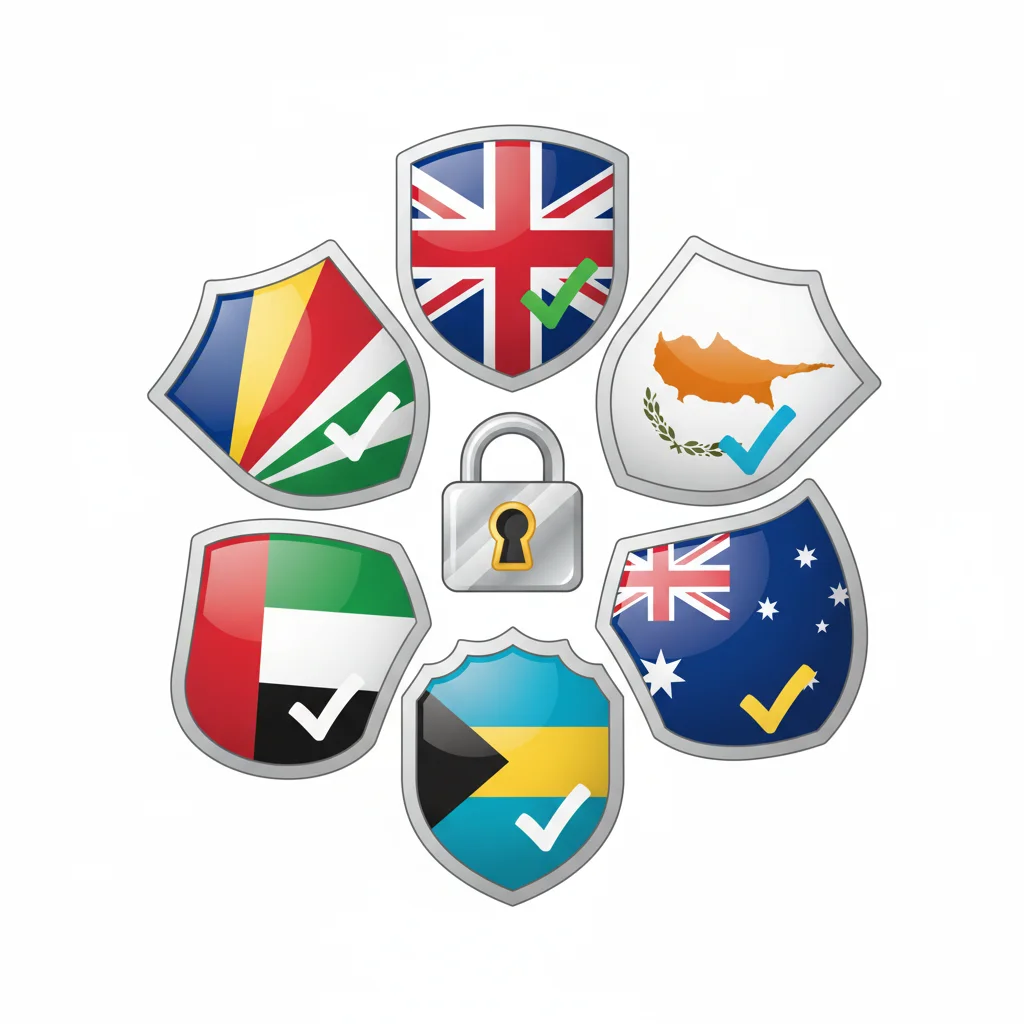
“Your first trade isn't on a currency pair, it's on the broker you choose.”
Let's break down what an FSCA-regulated broker legally owes you. It's more than just a license number at the bottom of a page.
Client Money Protection
This is the big one. By law, your trading capital must be held in a separate, ring-fenced bank account from the broker's own operating funds. If the broker goes bankrupt (it happens), your money isn't part of their assets to be seized by creditors. In my 2015 disaster, I'm almost certain that broker was using client funds to cover its own bets. With an FSCA broker, that's a criminal offence.
Dispute Resolution
You have a formal, local path. First, the broker's internal process. If that fails (they offer you a R500 bonus as 'compensation'), you escalate to the FSCA's office in Pretoria. They have an enforcement team. This process has teeth. It's not perfect, but it's a hell of a lot better than sending emails into a void.
use Limits
This is a double-edged sword. The FSCA caps use for major forex pairs. For retail clients, it's currently 30:1 for majors, 20:1 for minors, and lower for CFDs. Yes, it limits your potential rocket-ship gains on a R5,000 account. It also prevents you from blowing that account in two trades. I hated this rule when I started. Now, I see it as a forced dose of sanity. If you need 500:1 use to make your strategy work, your strategy is gambling, not trading.

Example: You deposit R10,000. At 30:1 FSCA use, your max buying power is R300,000. At 500:1 (offered by many offshore brokers), it's R5,000,000. A 2% move against you at 500:1 wipes your entire deposit. At 30:1, that same move is a R6,000 loss - painful, but survivable. Use a position size calculator religiously, regardless of the use offered.
“Boring is good. Excitement is for your trades, not for wondering if you'll get your cash.”
I've reviewed dozens of brokers over the years. Here are the instant deal-breakers, the neon signs screaming 'scam'.
- Guaranteed Profits or 'No Loss' Bonuses: If it sounds like a Ponzi scheme, it is. A regulated broker will never guarantee profits. They might offer a deposit bonus, but read the fine print - it usually comes with insane trading volume requirements to withdraw.
- Pressure to Deposit More to 'Recover' Losses: This is a classic boiler-room tactic. Your 'account manager' calls you, says your account is in trouble but if you just deposit another R20,000, they have a 'surefire' trade to get it all back. This is financial abuse. A real broker doesn't care if you win or lose; they make money on the spread.
- Difficulty Withdrawing: The first test of a broker isn't depositing, it's withdrawing. If they make you jump through hoops - 'verification' that was already done, 'processing fees,' unexplained delays - your money is already at risk. I make a small test withdrawal before I ever place a real trade.
- Offshore Regulators with No Physical Address: IFSC Belize, St. Vincent & the Grenadines, Vanuatu, Mauritius (some exceptions). These are often shells. If you can't find a legitimate street address and a phone number that a human answers, walk away.
A good broker like Pepperstone (who holds an FSCA license alongside others) or IC Markets makes the process boringly straightforward. Boring is good. Excitement is for your trades, not for wondering if you'll get your cash.
“Boring is good. Excitement is for your trades, not for wondering if you'll get your cash.”
Here's the trade-off (pun intended). Regulation and serious infrastructure cost money. You will often pay slightly more at a top-tier regulated broker than at a shady offshore bucket shop.
| Fee Type | Regulated Broker (e.g., FSCA) | Unregulated/Offshore Broker |
|---|---|---|
| EUR/USD Spread | 0.8 - 1.2 pips (Standard) or Raw Spread + ~$7 commission | As low as 0.0 pips (but watch for hidden markups) |
| Deposit/Withdrawal | Usually free for local methods (EFT), small fee for int'l | May have high fees or offer only crypto |
| Inactivity Fee | Common after 6-12 months | Less common, but your account might just 'vanish' |
| Peace of Mind | Priceless | Non-existent |
The offshore broker's 'zero spread' is a mirage. They make money by trading against you (dealing desk) or adding a hidden markup to the price feed. Your order fills will be slower on volatile news spikes, and your stop-losses will get hunted. I'd rather pay a known, transparent commission for a raw spread account from a broker like Exness (which also caters to SA) than get a 'free' spread from a liar.
Your biggest cost in trading is losses, not spreads. A bad fill on a stop-loss can cost you 10 times what you 'saved' on spread over a month. Regulation helps ensure fairer execution. It's not perfect, but it's a hell of a lot better than the alternative.
💡 Winston's Tip
The 'withdrawal test' is the ultimate audit. A broker that makes it hard to get a small amount out will make it impossible to get a large amount out.

“Your biggest cost in trading is losses, not spreads.”
This is the process I follow, even today, before I fund any account.
- Regulation First: FSCA license number. Go to the FSCA website, use their search tool, and confirm it's active and in the broker's exact name. Not a 'partner' or 'represented by.' The licensee.
- Withdrawal Test: Deposit the minimum. Trade once or twice to activate the account. Then immediately request a withdrawal of most of it back to my bank account. I time how long it takes. If it's smooth, we proceed.
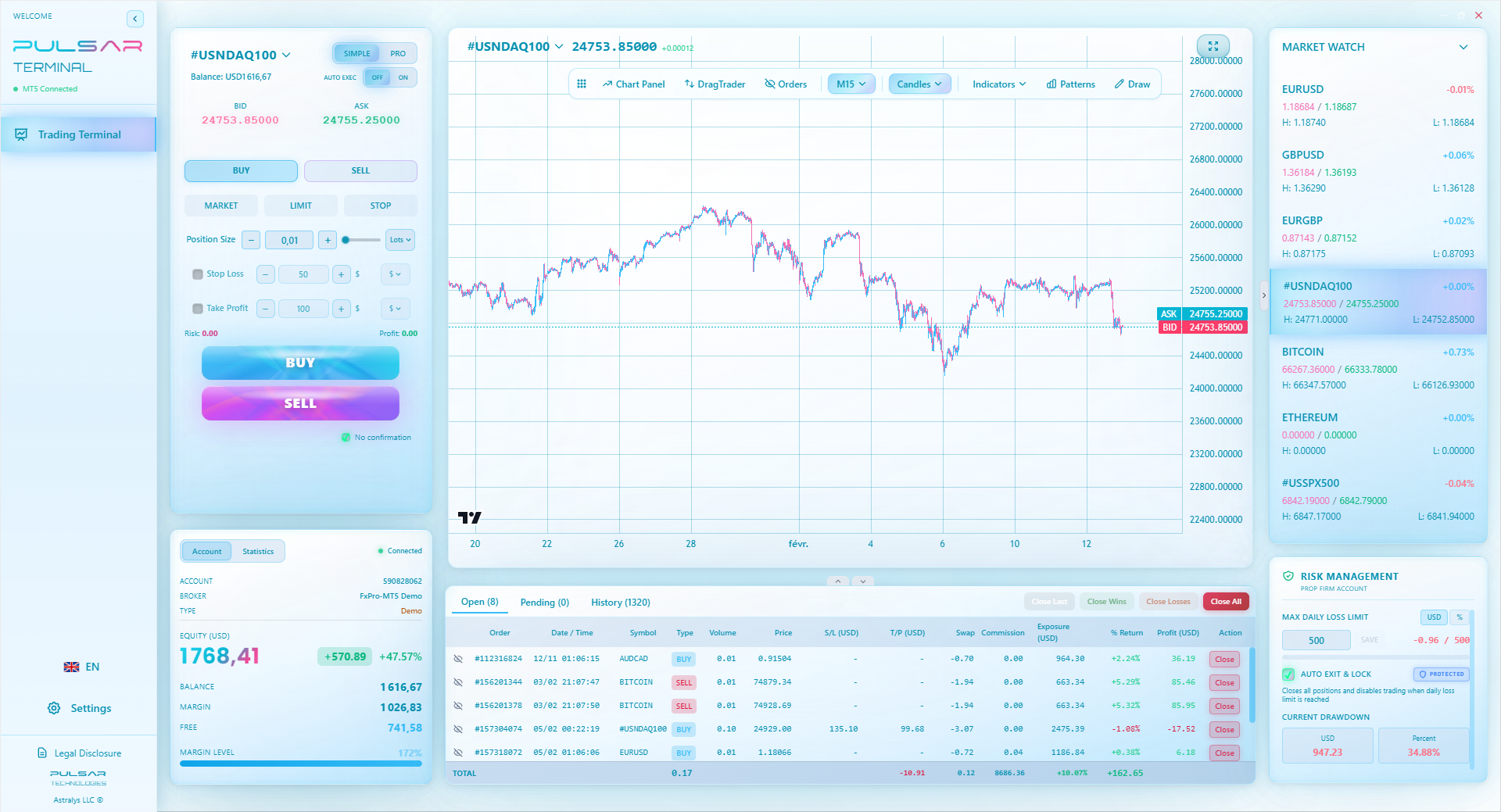
- Platform & Tools: I trade on MT5. Does the broker offer a stable MT5 build? What are their server locations? Can I use third-party tools? This is where a platform like Pulsar Terminal becomes essential - it supercharges MT5, but you need a broker whose MT5 allows it.
- Instrument Check: I don't just trade EUR/USD. I need decent ZAR pairs, gold (XAU/USD), and maybe a few indices. I check the spreads and swaps on the specific instruments I use. Their XAU/USD guide might be generic, but their live spread on gold tells the real story.
- Customer Service Gut Check: I call them. I ask a slightly technical question about order types or API access. The response tells me if they have real traders on staff or just script-readers.
I learned this checklist the expensive way. In 2018, I was lured by a broker with slick marketing offering 'FSCA regulation pending.' I deposited R25,000. The 'pending' status never changed. When I tried to withdraw six months later, it was a nightmare of delays. I got my money back, but it took 3 months and a threat of legal action. The broker folded a year later. 'Pending' means nothing. Only 'licensed' counts.
Once you've found a trustworthy, regulated broker with a stable MT5, a tool like Pulsar Terminal unlocks advanced order management and charting to actually execute your strategy effectively.
Pulsar Terminal
The all-in-one MT5 companion: drag-and-drop orders, multi-TP/SL, trailing stop, grid trading, Volume Profile, and prop firm protection. Used by 1,000+ traders daily.
“Your biggest cost in trading is losses, not spreads.”
Is a broker with both FSCA and FCA regulation better?
Usually, yes. It means they comply with two stringent rulebooks. The FCA (UK) is the gold standard globally. Having both suggests a serious operation. But your primary recourse as a South African resident will still be through the FSCA.
Can I use an international broker like IG or Saxo?
You can, and many are excellent. But you'll be onboarded to their South African entity (if they have one) or their global entity. Ensure you understand which regulator covers your specific account. Also, their minimum deposits can be high (Saxo can be R50,000+), which isn't beginner-friendly.
What about CFD providers vs. Forex brokers?
In SA, the line is blurred. Most 'forex brokers' here are actually licensed as CFD providers. The key is the underlying regulation (FSCA) and the protections it affords. The product you're trading is the same.
Are all FSCA-regulated brokers equally good?
No. Regulation is a minimum safety standard, not a quality endorsement. Some are clunky, have poor platforms, or high costs. But they are all held to the same core financial and client protection rules. From there, you choose the best operator among the regulated.
I found a broker with FSCA regulation but terrible reviews online. What gives?
Read the reviews carefully. Are they complaining about losses (that's the trader's fault) or about not being able to withdraw profits (that's the broker's fault)? The latter is a major red flag, even with a license. Sometimes a broker can be technically compliant but still provide awful service. That's why my checklist includes the withdrawal test.
💡 Winston's Tip
use is a loan from your broker. Would you take a massive, high-interest loan from a stranger in a back alley? No. Don't do it with your trading account either.
“In over a decade, every single horror story from a SA trader has involved an unregulated entity.”
Choosing a regulated broker for forex is the most important risk management decision you'll make. It's the foundation. You can have the best scalping strategy in the world, but if your broker is manipulating your quotes, it's worthless.
Start with the FSCA public register. Verify. Then test with a small amount. Your goal is to make the broker prove they are legitimate before you risk real capital.
I'll leave you with this: in over a decade, every single horror story I've heard from a fellow South African trader - stolen funds, frozen accounts, impossible withdrawal terms - has involved an unregulated or dodgily-regulated entity. Not one has involved a properly vetted, FSCA-licensed broker. That's not a coincidence. It's causation.
Your job is to outlast the markets. You can't do that if you're fighting your broker. Pick one that's on your side, or at least, one that's forced by law to not be actively against you. Now go check your broker's license. I'll wait.
FAQ
Q1What is the FSCA and why is it important for forex traders?
The Financial Sector Conduct Authority (FSCA) is South Africa's main financial markets regulator. For traders, an FSCA license means the broker must segregate client funds, adhere to use caps, and provide a local legal recourse if you have a dispute. It's your primary layer of protection against fraud and malpractice.
Q2Can I legally use a forex broker that is not regulated in South Africa?
Technically, yes, there's no law stopping you. But it's incredibly risky. You have no local protection. If that offshore broker refuses your withdrawal or manipulates prices, your options are limited to expensive international lawsuits, which are rarely feasible. It's like driving without insurance.
Q3What's the difference between an FSCA-regulated broker and one regulated in Cyprus (CySEC)?
Both offer strong protections. CySEC is a respected EU regulator. The key difference is proximity. With an FSCA-regulated broker, you have a local authority (in Pretoria) to file a complaint with. For a CySEC broker, you'd need to engage with Cyprus, which is more complex for a South African resident. Many good brokers hold both licenses.
Q4Do regulated brokers have higher spreads?
Often, but not always. They might have slightly higher spreads on standard accounts compared to unregulated 'zero spread' shams. However, most top regulated brokers offer raw spread accounts with low commissions, which can be very competitive. The slightly higher cost is the price of security, fair execution, and knowing you'll get your profits out.
Q5How do I verify a broker's FSCA license?
Go directly to the FSCA's official website (www.fsca.co.za). Use their 'Search for an authorised financial services provider' tool. Enter the broker's company name or license number. Confirm the details match exactly what's on the broker's website, and that the license status is 'Authorised.' Don't trust a screenshot or a PDF from the broker.
Q6Are there any good FSCA-regulated brokers for beginners with small accounts?
Yes. Brokers like XM and Exness (through their local entity) offer FSCA regulation and have low minimum deposits (sometimes as low as R500-R1000). This allows you to start small, test the broker thoroughly, and practice without excessive risk. Just remember to use proper position size even on a small account.
Q7What should I do if my regulated broker is acting suspiciously?
Document everything: trade receipts, communication, withdrawal requests. First, follow the broker's formal complaint process. If that fails, escalate to the FSCA's complaints department with your evidence. The fact that the broker is regulated gives the FSCA the power to investigate and impose penalties, which is your strongest use.
Prof. Winston's Lesson
Key Takeaways:
- ✓Verify the FSCA license yourself on the official website.
- ✓Always perform a small withdrawal test before serious trading.
- ✓FSCA use caps (30:1) protect you from yourself.
- ✓Avoid brokers using pressure tactics or guaranteed profits.
- ✓The cost of a regulated broker is insurance, not an expense.
How useful was this article?
Click a star to rate
Weekly Trading Insights
Free weekly analysis & strategies. No spam.
About the Author
David van der Merwe
Emerging Markets Trader
Johannesburg-based trader with 11 years in emerging market currencies. Specializes in ZAR pairs, FSCA-regulated trading, and South African market analysis.
Comments
Risk Disclaimer
Trading financial instruments carries significant risk and may not be suitable for all investors. Past performance does not guarantee future results. This content is for educational purposes only and should not be considered investment advice. Always conduct your own research before trading.
You Might Also Like

Cara Trading Forex Sukses: 7 Prinsip dari Trader Profesional
Cara trading forex sukses dengan 7 prinsip trader pro: manajemen modal, disiplin, journal trading, backtest. Data nyata, bukan janji profit palsu.
Jam Trading Forex Terbaik untuk Trader Indonesia: Panduan Lengkap dengan Tabel Waktu
Panduan jam trading forex untuk trader Indonesia. Tabel 4 sesi dunia, jam emas 20:00-00:00, sesi mana yang harus dihindari. Data akurat + tips dari trader berpengalaman.
Top 5 Sàn Forex Uy Tín Nhất 2026: Review Jujur dari Trader Indonesia
Top 5 sàn forex uy tín 2026 untuk trader Indonesia. Review jujur: spread, deposit, withdraw, dukungan lokal. Exness, XM, IC Markets & lebih.
Get Pulsar Terminal
All these calculators are built into Pulsar Terminal with real-time data from your MT5 account. One-click position sizing, automatic risk management, and instant calculations.
Get Pulsar Terminal