


I was short the Rand in late 2022 when the news hit about massive port delays at Durban.

David van der Merwe
Emerging Markets Trader ·  South Africa
☕ 11 min read
What you'll learn:
- 1What Exactly Is Transport Forex? It's Not What You Think
- 2The SARB Rulebook: What Every Trader Needs to Know
- 3How to Actually Trade the Transport Forex Flows
- 4Brokers, Banks, and Getting Your Hands on the Money
- 5Real Costs and the Mistakes That Will Bankrupt You
- 6The Game Changed in 2024-2026: Here's What's New
- 7Your Action Plan: From Reading to Trading

I was short the Rand in late 2022 when the news hit about massive port delays at Durban. The market barely twitched on the headline. But I'd been watching the container ship backlog for weeks, and my contacts in logistics were screaming about demurrage costs piling up. I held the position. Two days later, a major retailer issued a profit warning citing 'unexpected freight and forex losses.' ZAR/USD dropped 150 pips in an hour. That's transport forex. It's not just about paying for shipping; it's a real-time indicator of economic pressure, hidden in plain sight within SARB's labyrinth of rules.
Forget the textbook definition. In the real world, transport forex is the entire environment of foreign exchange transactions tied to moving physical goods across South Africa's borders. It's the payment for a container from Shanghai, the marine insurance in Euros, the port fees in dollars, and the forward cover a maize exporter buys to lock in a rate for their US-bound shipment.
But here's the part that matters to you as a trader: these flows create predictable pressure on the Rand. When import season hits for retailers (think Q2 building up to Christmas), there's a consistent bid for USD/ZAR. When mineral exports boom, the mining houses are selling dollars and buying Rand to pay local costs. These aren't speculative flows; they're commercial, urgent, and often large. Spotting the patterns gives you an edge.
I once made the mistake of betting against a strong seasonal import flow because the RSI indicator was showing overbought conditions on USD/ZAR. The technicals were right, but the fundamental flow was overwhelming. The pair ripped another 3% against me. Lesson learned: transport flows can trump indicators in the short run.
The market is governed by the South African Reserve Bank's Financial Surveillance Department (FinSurv). Every dollar paid for freight or received for exports runs through their system via 'Authorised Dealers' (your bank) or ADLAs (forex bureaus). This creates a paper trail we can sometimes infer trends from.

💡 Winston's Tip
The forward rate isn't a prediction. It's the spot rate adjusted for the interest rate difference between two currencies. When SA rates are high, the Rand usually trades at a forward discount. Don't overthink it.
“Transport forex flows can trump technical indicators in the short run.”
You don't need to be a lawyer, but ignoring these rules will blow up your trade thesis. The foundation is the Exchange Control Regulations of 1961 – yes, it's older than most of us. The key principle: no resident or company can send money offshore without approval, unless it fits a specific, pre-approved category. Transport payments are one of those categories, but with strings attached.
The Documentation Dance
To get your forex for an import payment, your bank (the Authorised Dealer) will demand a stack of paper: the commercial invoice, the bill of lading or air waybill, the customs declaration. They're not being difficult; they're legally obligated to check this. The system is built on proving the underlying transaction is real. For traders, this means delays. A company can't just react to a spot rate move; they're stuck in a 1-3 day paperwork queue. This creates lag, which creates opportunity.
The R50,000 Card Trick (and Its Danger)
Here's a quirky one. Businesses can use company credit/debit cards for import payments under R50,000 per transaction. Sounds like a loophole, right? Some try to split a R200,000 invoice into four payments. Don't. FinSurv explicitly prohibits 'splitting transactions to circumvent the limit.' If caught, the business gets flagged, future payments get frozen, and the resulting scramble for physical dollars can cause a minor local squeeze. I've seen this play out in illiquid emerging market crosses.
The Six-Month Export Clock
This is a big one. If you're a South African exporter, you have six months from the shipment date to get paid and bring the foreign currency back. If you don't, you need special permission. This creates a natural selling window for export proceeds. If the Rand is weak, they might wait. If it's strengthening, they'll sell quickly to avoid losses. Tracking major export sectors (mining, agriculture) gives you clues about potential USD supply hitting the market.

Warning: The most common mistake I see analysts make is assuming transport forex rules are static. SARB issues circulars that change the game overnight. In late 2025, they tightened rules for non-residents getting SA income, requiring tax clearance. This locked up billions in potential outflows overnight, providing short-term Rand support.
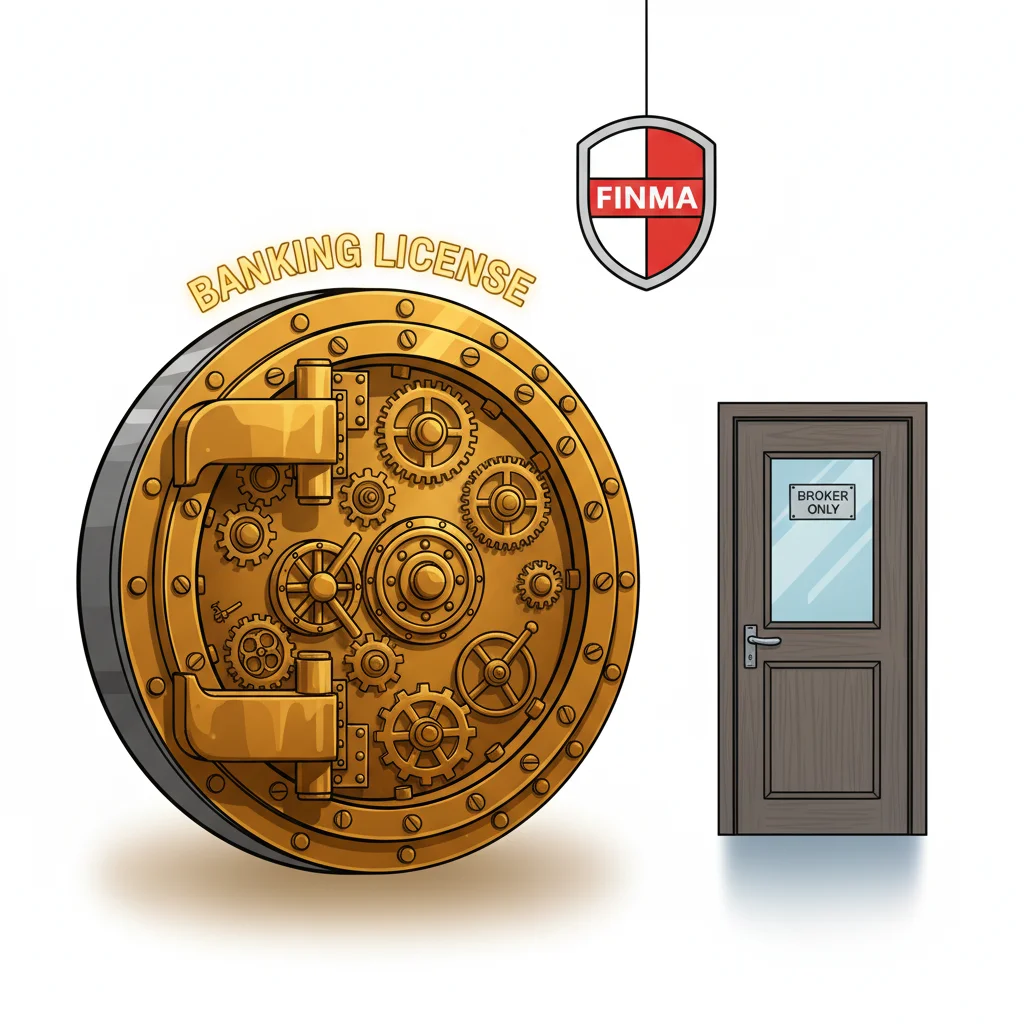
“The catastrophic cost isn't the bank's spread; it's an unhedged currency move that devours your profit margin.”
This isn't about buying a shipping stock. It's about using transport activity as a leading indicator for currency pairs, particularly ZAR crosses.
1. The Port Congestion Signal. Follow the news from Transnet and the ports of Durban and Cape Town. Chronic congestion isn't just a logistics story; it's a forex story. Delays mean storage (demurrage) fees paid in forex, higher freight premiums, and potential import shortages that lead to panic buying of goods (and the forex to pay for them). A sustained crisis is net negative for the Rand. I use a simple rule: if major media runs a front-page story on port woes, I'm looking for short-term ZAR weakness, especially against the USD and CNY.
2. The Commodity Freight Arb. South Africa exports bulk commodities (coal, iron ore). The freight rate for Capesize vessels (the giants that carry this stuff) is a real-time barometer of global demand and supply chain health. When the Baltic Dry Index spikes, it often precedes strong export volumes. Strong exports = strong USD inflows = potential Rand strength. You can use this as a confirming factor for a long ZAR trade. I paired this with a MACD indicator crossover on USD/ZAR for a nice 2.1% win in Q3 2023.
3. The Seasonal Import Cycle. Retailers import heavily ahead of peak seasons (Black Friday, Christmas). This demand for forex is predictable. From August to October, there's often underlying USD/ZAR buying pressure that isn't always related to global risk sentiment. Trading against this flow requires a very strong counter-trend reason.
4. The Forward Market Whisper. Companies hedge their transport forex exposure. A surge in demand for long-dated USD/ZAR forwards from corporates can signal that treasuries are expecting a weaker Rand or have large upcoming USD payments. Your bank's corporate desk won't tell you this, but the price action in the forward curve will.

Pro Tip: Don't trade the headline. Trade the lag. The market often underreacts to a transport disruption initially because the forex impact isn't immediate. The real move comes weeks later when quarterly results reveal the cost hits and CFOs start adjusting their hedging strategies. That's your window.
“The catastrophic cost isn't the bank's spread; it's an unhedged currency move that devours your profit margin.”
If you're a business, you're stuck using an Authorised Dealer (a bank). For traders, the landscape is different, but the regulations cast a long shadow.
For Businesses: You're going through a commercial bank. Their spreads on commercial forex transactions aren't published like a broker's. They're negotiated. For a R5 million import payment, you might get a spread of 0.5% to 1% over the interbank rate, depending on your relationship and the currency. They will charge a telegraphic transfer fee (R150-R500). The biggest cost is the hidden one: the lag. If the Rand moves 1% against you during the 48 hours it takes to process your paperwork, that's your real cost.
For Traders: You'll use a regulated international broker with ZAR accounts. But understand this: the liquidity you're trading ties back to this controlled system. When SARB intervenes (which they do to smooth volatility), it affects your broker's quotes. During times of severe market stress, the spread on ZAR pairs can widen dramatically because liquidity dries up. I've seen EUR/USD spreads at 0.1 pips while USD/ZAR blows out to 15 pips.
Choosing a Platform: You need a platform that can handle the volatility. IC Markets and Pepperstone offer good ZAR liquidity and raw spreads. For a local feel with international access, some use Exness. Always, always check their regulatory status. Your number one job is to protect your capital from platform risk.
The Minimum Deposit Myth: For trading, it's whatever your broker requires (often $200-$500). For actual transport forex through a bank, there's no official minimum, but try walking into Nedbank to buy $100 for a freight invoice. They'll laugh you out the door. These are wholesale desks.
💡 Winston's Tip
If you're trading ZAR pairs, keep a separate notepad for 'regulatory friction' events. Note the date of SARB circulars. Over time, you'll see patterns in how the market digests new rules.

“The ZAR will remain prone to sudden liquidity gaps and exaggerated moves. It's a volatility trader's dream.”
Let's talk numbers. Not theoretical percentages, but what actually comes out of your pocket.
The Spread is the Least of Your Worries. On a R1 million import payment, a 0.7% bank spread costs you R7,000. Annoying, but manageable. The catastrophic cost is an unhedged move. In 2020, I advised a small importer client (friend of a friend). They had a $100,000 payment due in 90 days. The forward cover cost was about 1.5% annualized. They said no, betting the Rand would strengthen. The Rand proceeded to weaken 12% in three months. That 'savings' of roughly R22,500 on a hedge premium turned into a loss of R180,000 on the spot payment. They nearly went under.
My Own Stupidity: Early in my career, I tried to scalp USD/ZAR around major import data releases. The spreads were too wide, the slippage was horrific, and the news was already priced in by the big banks with direct feeds. I turned a R10,000 account into R6,800 in two weeks chasing 5-pip moves. Transport forex trends are better suited for swing trading horizons, not scalping.
The Compliance Tax: This is the hidden fee. The man-hours your business spends compiling documents for the bank, the audit trails, the risk of a payment being rejected because a form is wrong. I've seen a R20 million shipment stuck on the water because a junior accountant mis-typed the invoice number on the forex application. The daily demurrage cost? $5,000. Paid in forex, of course.

Example: You import goods for $10,000 when USD/ZAR is 18.00. Your cost is R180,000. You have 30-day terms. You don't hedge. In 30 days, USD/ZAR is 18.90. Your cost is now R189,000. You just paid an extra R9,000 (5%) because of forex movement. That's your entire profit margin gone. A simple forward contract would have fixed your rate at, say, 18.10, costing a small premium but guaranteeing your margin. Use a position size calculator to understand the real risk of such a move on your capital.
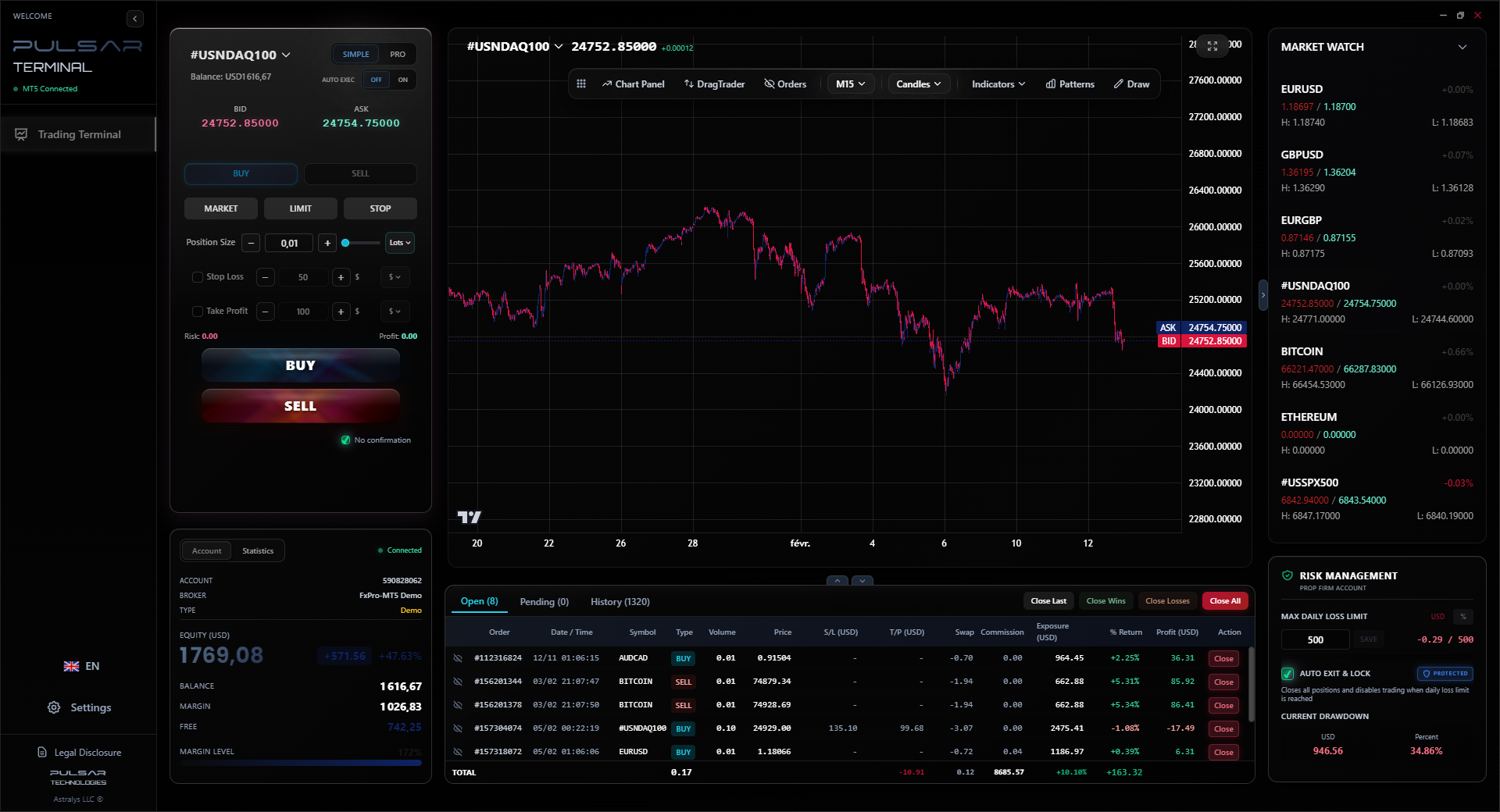
Managing multiple trades and complex hedges around volatile transport forex flows is a headache, which is why tools like Pulsar Terminal that allow drag-and-drop orders and multi-TP/SL management directly on MT5 are a game-saver.
Pulsar Terminal
The all-in-one MT5 companion: drag-and-drop orders, multi-TP/SL, trailing stop, grid trading, Volume Profile, and prop firm protection. Used by 1,000+ traders daily.
“The ZAR will remain prone to sudden liquidity gaps and exaggerated moves. It's a volatility trader's dream.”
SARB isn't sleeping. They're actively tweaking the system, and you need to know the changes that affect flow.
November 2024: Royalties and Fees Got Easier. Circular 13/2024 removed prior FinSurv approval for residents paying royalties and fees to related non-residents. This sounds bureaucratic, but it matters. It means less blocked forex, smoother outflows for multinationals operating here. Slightly positive for long-term capital flow, slightly negative for Rand sentiment, but a drop in the ocean.
October 2025: The Big One for Non-Residents. Circular 16/2025 slammed the door. Now, before a non-resident can receive South African-source income (dividends, royalties, rent), the Authorised Dealer must check they are tax compliant with SARS. They need a special PIN or letter. This has frozen a significant amount of money offshore. For the Rand, this is short-term supportive (less outflow), but long-term it signals a more restrictive, complex environment that foreign investors hate. I'm watching this for a potential 'negative sentiment overhang' on ZAR assets.
The 'New Framework' Mirage. Since 2020, they've talked about a modern, risk-based system to replace the 1961 rules. It hasn't happened. Assume the old, restrictive framework is here to stay for the foreseeable future. Plan your trades accordingly. Liquidity will remain segmented, and controls will periodically bite.
The Bottom Line: The regulatory trend is towards more scrutiny, not less. This increases the 'friction cost' of moving money in and out of South Africa. For a trader, that means the ZAR will remain prone to sudden liquidity gaps and exaggerated moves. It's a volatility trader's dream and a scalping trader's nightmare.
💡 Winston's Tip
The six-month rule for export proceeds is a forced seller. If ZAR is strong near the deadline, exporters sell. If ZAR is weak, they beg SARB for an extension. Watch for clusters of extension requests as a contrarian signal.
“Ignoring transport forex is like trading blind on the most volatile road in the country.”
Theory is useless without execution. Here's how I structure my week to watch transport forex.
- Monday Morning Scan: I don't check stock prices first. I check the Baltic Dry Index, the Cape Town and Durban port status reports (publicly available), and any freight news on sites like FreightWaves. I'm looking for disruptions.
- Embed the Seasonals: I have a physical calendar marked with SA export commodity cycles (citrus, grapes, minerals) and major import windows. It sits next to my screen.
- Trade Setup Filter: If I have a technical setup on USD/ZAR (e.g., a bounce off a key support level), I check it against the transport flow. Is there a giant import wave due that could fuel the USD bid? If yes, it confirms my trade. If not, I size down by 50%.
- Risk Management is King: Because of the spread volatility and potential for gap moves on SARB news, my stop-losses on ZAR pairs are always 1.5x wider than on something like EUR/USD. My position size is correspondingly smaller. I never risk more than 1% of my account on a single ZAR trade. The margin call monster is real here.
- The Documentation Edge: When a company announces results, I skip to the 'financial review' and look for phrases like 'foreign exchange losses on imports' or 'benefited from a weaker Rand on exports.' This tells me how their treasury is performing and gives me an edge for the next cycle.
Transport forex isn't a standalone strategy. It's the context. It's the tide that lifts or sinks all the currency boats tied to the South African economy. Ignore it, and you're trading blind.
FAQ
Q1As a small online business, what's the easiest way to pay for imports under R100,000?
Use your business credit/debit card, but strictly adhere to the R50,000 per transaction limit. Do NOT split invoices. For amounts over R50k, you'll need to go through your bank with full documentation (invoice, shipping docs). The 'easiest' way is often the slowest – plan your cash flow and forex needs at least a week in advance.
Q2Can I use my international forex trading broker to pay for a freight invoice?
Almost certainly not. Brokers like XM or IC Markets are for speculative trading, not commercial payments. They are not Authorised Dealers for South African exchange control purposes. Attempting this could get your broker account frozen and land you in hot water with FinSurv for circumventing the rules.
Q3How does port congestion in China actually affect the Rand?
It's a chain reaction. Congestion in China delays finished goods destined for SA. SA retailers face stockouts, may need to airfreight (10x the cost, paid in USD), and might panic-buy from alternative sources at higher prices. This increases the urgent demand for dollars from South African importers, putting selling pressure on the Rand. It also disrupts SA exports to China, delaying dollar inflows.
Q4What's the single biggest transport forex risk for a South African importer?
Being unhedged. Currency moves can wipe out your profit margin faster than a thief in the night. The cost of a forward contract or option is a known business expense. An out-of-control spot rate move is a gamble that can bankrupt you. Always know your pip exposure on outstanding invoices.
Q5Are there any ETFs or instruments that track transport forex flows?
Not directly. However, you can proxy it. Watch the shares of major logistics companies (e.g., Grindrod) and retailers. Their forex commentary in results is pure gold. For direct trading, the currency pairs themselves (USD/ZAR, EUR/ZAR) are your instrument. The flows are reflected in the price action.
Q6How do I know if a 'forex dealer' offering transport payments is legit?
Ask for their ADLA (Authorised Dealer in Foreign Exchange with Limited Authority) license number issued by the South African Reserve Bank. Verify it. If they hesitate, run. Legitimate players like banks and large bureaus will display this proudly. Using an unlicensed dealer is illegal and a great way to lose your money permanently.
Prof. Winston's Lesson
Key Takeaways:
- ✓Hedge commercial exposure. Always.
- ✓Port congestion is a leading, not lagging, indicator.
- ✓SARB circulars change liquidity instantly.
- ✓Trade ZAR with wider stops (1.5x normal).
- ✓The R50k card limit is a trap, not a tool.
How useful was this article?
Click a star to rate
Weekly Trading Insights
Free weekly analysis & strategies. No spam.
About the Author
David van der Merwe
Emerging Markets Trader
Johannesburg-based trader with 11 years in emerging market currencies. Specializes in ZAR pairs, FSCA-regulated trading, and South African market analysis.
Comments
Risk Disclaimer
Trading financial instruments carries significant risk and may not be suitable for all investors. Past performance does not guarantee future results. This content is for educational purposes only and should not be considered investment advice. Always conduct your own research before trading.
You Might Also Like

Cara Trading Forex Sukses: 7 Prinsip dari Trader Profesional
Cara trading forex sukses dengan 7 prinsip trader pro: manajemen modal, disiplin, journal trading, backtest. Data nyata, bukan janji profit palsu.
Jam Trading Forex Terbaik untuk Trader Indonesia: Panduan Lengkap dengan Tabel Waktu
Panduan jam trading forex untuk trader Indonesia. Tabel 4 sesi dunia, jam emas 20:00-00:00, sesi mana yang harus dihindari. Data akurat + tips dari trader berpengalaman.
Top 5 Sàn Forex Uy Tín Nhất 2026: Review Jujur dari Trader Indonesia
Top 5 sàn forex uy tín 2026 untuk trader Indonesia. Review jujur: spread, deposit, withdraw, dukungan lokal. Exness, XM, IC Markets & lebih.
Get Pulsar Terminal
All these calculators are built into Pulsar Terminal with real-time data from your MT5 account. One-click position sizing, automatic risk management, and instant calculations.
Get Pulsar Terminal