


Most new traders think learning forex terms is about memorising a glossary.

David van der Merwe
Trader de Mercados Emergentes ·  South Africa
☕ 10 min de lectura
Lo que aprenderás:
- 1Currency Pairs & Pips: Your Foundation
- 2The Cost of Doing Business: Spreads, Swaps, Commissions
- 3Margin & use: Your Double-Edged Sword
- 4Order Types: Beyond Just Buy and Sell
- 5Analysis Lingo: What They're Actually Saying
- 6Trading Styles: Pick Your Poison
- 7Risk Management: The Only Vocabulary That Matters
- 8Broker & Platform Lingo
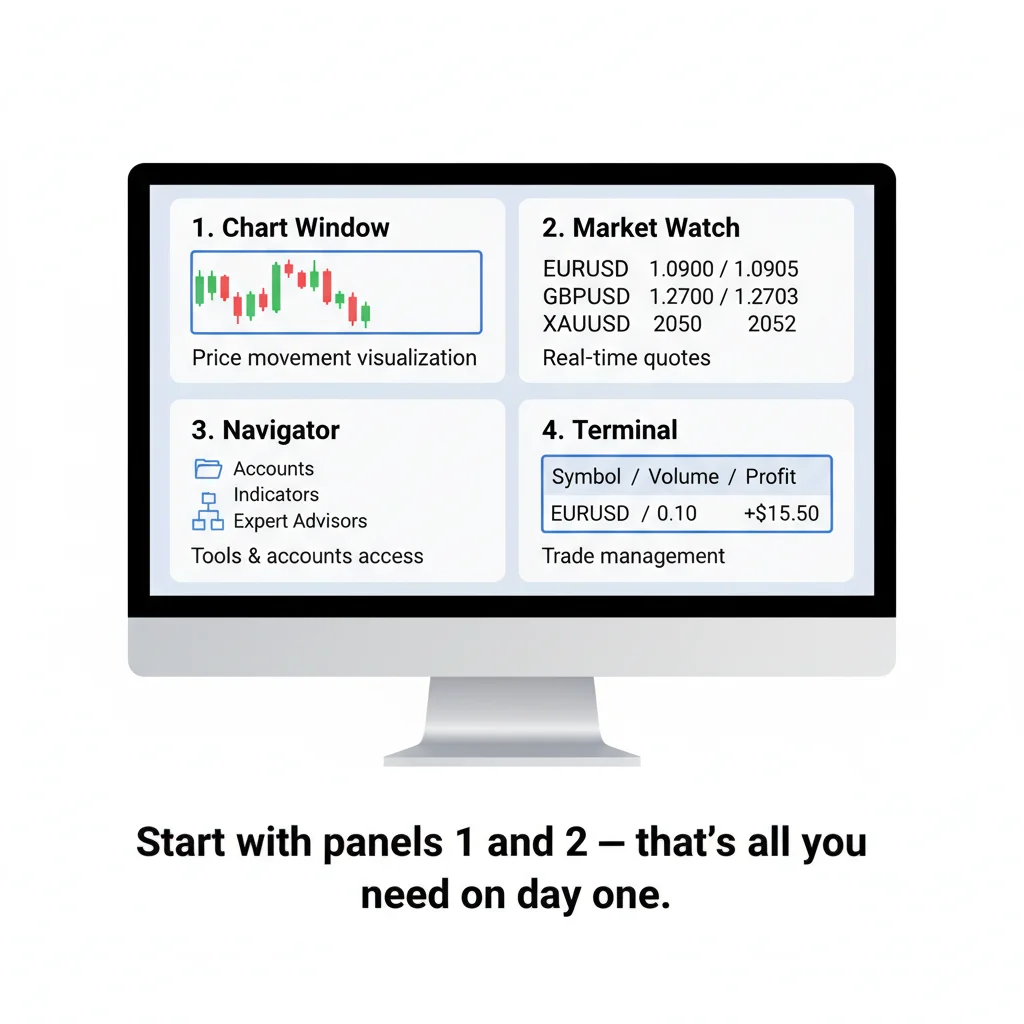
Most new traders think learning forex terms is about memorising a glossary. They're wrong. It's about understanding which ones will cost you money if you get them wrong. I've seen more accounts blown from misunderstanding 'margin' and 'use' than from bad trade ideas. This isn't a dictionary. It's a survival guide. We're going to cut through the jargon and focus on the terms that actually matter for your ZAR-based trading account.
Everything in forex starts with the pair. You're not just buying US Dollars, you're selling South African Rand to do it. That's the USD/ZAR pair. The first currency (USD) is the 'base'. The second (ZAR) is the 'quote' or 'counter' currency. The price tells you how much of the quote currency you need to buy one unit of the base.
A pip is how we measure movement. For most pairs, like EUR/USD, it's the 4th decimal place: a move from 1.0850 to 1.0851 is one pip. For USD/ZAR and other pairs with the Rand, it's usually the 2nd decimal place because the numbers are bigger. A move from 18.50 to 18.51 is one pip. Don't get this wrong when calculating profit.
Major, Minor, and Exotic Pairs
Majors always involve the USD (EUR/USD, GBP/USD). Minors (or crosses) don't (EUR/GBP). Exotics pair a major currency with one from a smaller economy, like USD/ZAR or EUR/TRY. Here's the kicker for us: USD/ZAR is exotic. That means wider spreads, less liquidity at times, and potentially wilder swings. Trading your home currency isn't necessarily easier.

Example: You buy 1 standard lot (100,000 units) of USD/ZAR at 18.5000. It rises to 18.6000, a 100 pip move. Profit = (100 pips) * (100,000 units) / (Current Price 18.6000) ≈ ZAR 537.63 Notice you divide by the exit price for USD/ZAR. This trips up everyone at first. Use a position size calculator to avoid the math headaches.
I learned this the hard way early on. I shorted EUR/ZAR, thinking a 50-pip stop-loss was tight. I forgot that for ZAR pairs, 50 pips is a much bigger Zand amount. The stop got hit on a tiny wiggle, and I lost more than I planned. The terms were right, but my sense of scale was completely off.

💡 Consejo de Winston
Stop calling it 'use'. Call it 'risk multiplier'. It changes your mindset instantly.
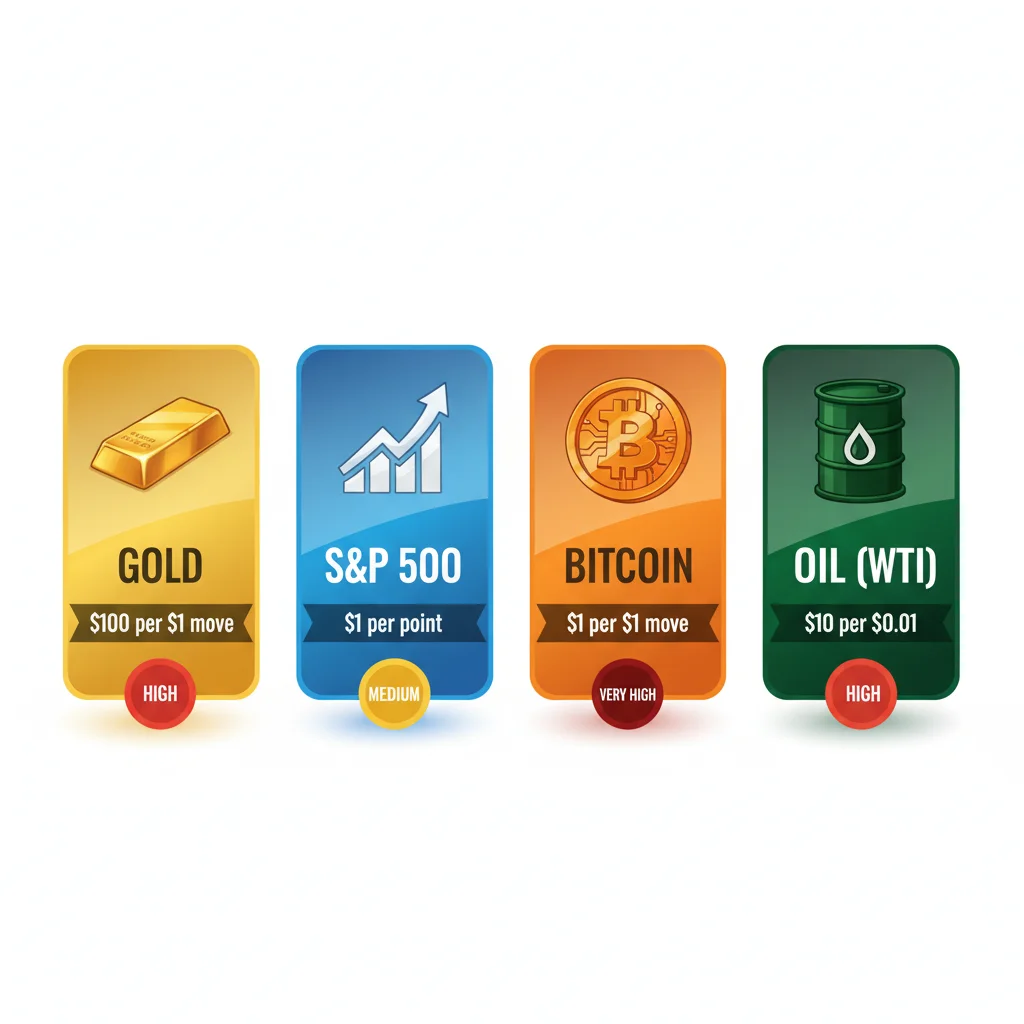
Your broker isn't a charity. They get paid, and you need to know exactly how, or these costs will eat you alive.
The spread is the difference between the buy (ask) and sell (bid) price. It's your immediate cost to enter a trade. On EUR/USD with a top-tier broker, this might be 0.1 pips. On USD/ZAR, expect 50-100 pips or more. That's a huge hurdle to overcome before you even start making profit. Always check the live spread before clicking buy.
A swap (or rollover) is the interest paid or earned for holding a position overnight. Each currency has an interest rate. If you're long a currency with a higher rate than the one you're short, you might earn a small daily credit. If not, you pay. For USD/ZAR, if the South African interest rate is higher than the US rate (which it often is), you'll PAY a swap to be long USD/ZAR (selling ZAR). This can be a significant cost for long-term holds.
Some brokers charge commissions instead of, or on top of, wider spreads. It's usually a cost per lot traded. Know your total cost per trade: Spread + Commission. This is where broker choice is critical. I've used Exness for their tight spreads on majors and IC Markets for their raw spread + commission model. For a ZAR-based account, you must check how they handle local currency deposits and withdrawals too.
“High use lets you open a bigger position with less money. It does NOT make a bad trade good.”
This is the section that saves or sinks accounts. Get it right.
Margin is a good-faith deposit, not the full cost of the trade. It's the amount of your own money you must have in your account to open and hold a position. Think of it as collateral.
use is the multiplier. 100:1 use means you can control a position 100 times the value of your margin. If you have ZAR 10,000 margin, you can control a ZAR 1,000,000 position.
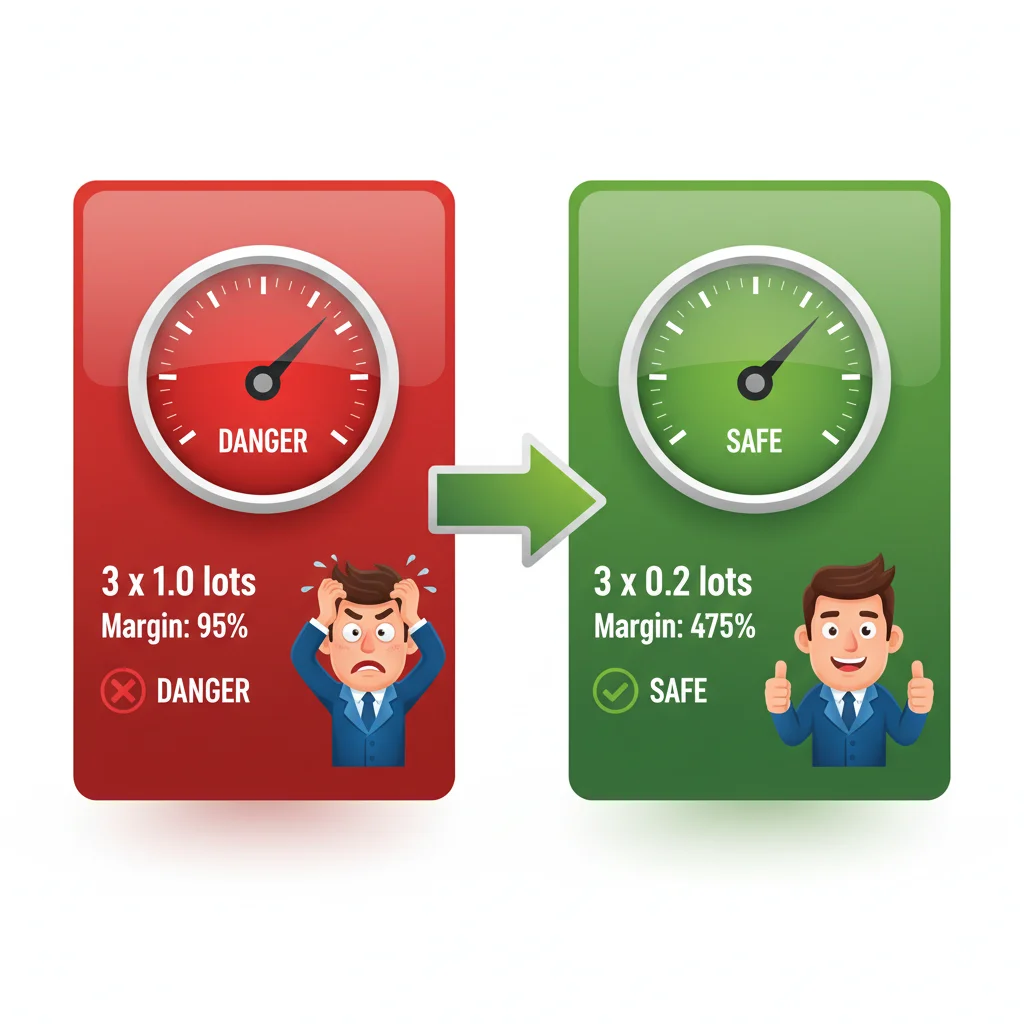
Here’s the critical link everyone misses: use amplifies everything. Your potential profit AND your potential loss. A 1% move against you on that ZAR 1,000,000 position wipes out your entire ZAR 10,000 margin. That's a margin call.
South African regulators (the FSCA) cap use for retail clients. It's currently 20:1 for major forex pairs and lower for others. This is a good thing. It forces you to use proper position sizing. When I started overseas with 500:1 use, I blew up two small accounts in months. The lower SA limits would have saved me from myself.

Warning: High use lets you open a bigger position with less money. It does NOT make a bad trade good. It just makes the consequences of a bad trade catastrophic, faster.
Market orders get you in or out now at the current price. That's simple. The real skill is in the pending orders.
- Limit Order: An order to buy BELOW the current price, or sell ABOVE it. You're waiting for a better price.
- Stop Order: An order to buy ABOVE the current price, or sell BELOW it. You're waiting for a breakout to confirm momentum before jumping in.
Now, the life-savers: Stop-Loss (SL) and Take-Profit (TP).
Your stop-loss is a pre-set order that closes your trade at a specific price to limit your loss. It is not a suggestion. It is a mandatory part of every single trade plan. Not using one is professional suicide.
Your take-profit does the same for your profit target. It removes emotion from the exit.
Advanced Exit Tactics
A trailing stop is a stop-loss that moves with the price when you're in profit. If you buy USD/ZAR at 18.50 with a 100-pip trailing stop, and it rises to 19.00, your stop moves to 18.90. It locks in profit as the market runs. This is a powerful tool for trend-following strategies like swing trading.
A breakeven stop is when you move your stop-loss to your entry price once the trade has moved a certain amount in your favour. It turns a risky trade into a risk-free one. I use this religiously on any trade that goes 1.5x my initial risk in profit.
💡 Consejo de Winston
If you can't explain your trade's risk in a single sentence before entering, you don't understand it. Close the platform.
“Your stop-loss is not a suggestion. It is a mandatory part of every single trade plan.”
You'll hear these terms thrown around. Here's what they mean in practice.
Fundamental Analysis: Looking at economic data (SA CPI, US Non-Farm Payrolls), interest rates, and political events to guess future price direction. For USD/ZAR, the South African Reserve Bank (SARB) interest rate decisions and load-shedding news are massive drivers.
Technical Analysis: Using charts, patterns, and indicators to find entry and exit points. It's based on the idea that price action repeats.
- Support & Resistance: Price levels where buying (support) or selling (resistance) has consistently happened. Think of them as floors and ceilings.
- Trendlines: Lines drawn on a chart connecting highs (downtrend) or lows (uptrend). They show the market's current direction.
- Indicators: Mathematical calculations based on price. The RSI indicator shows overbought/oversold conditions. The MACD indicator can show trend changes and momentum. They are tools, not crystal balls.
Most retail traders focus 90% on technicals. But for a currency like the Rand, ignoring fundamentals is a great way to get run over by a news event you should have seen coming.
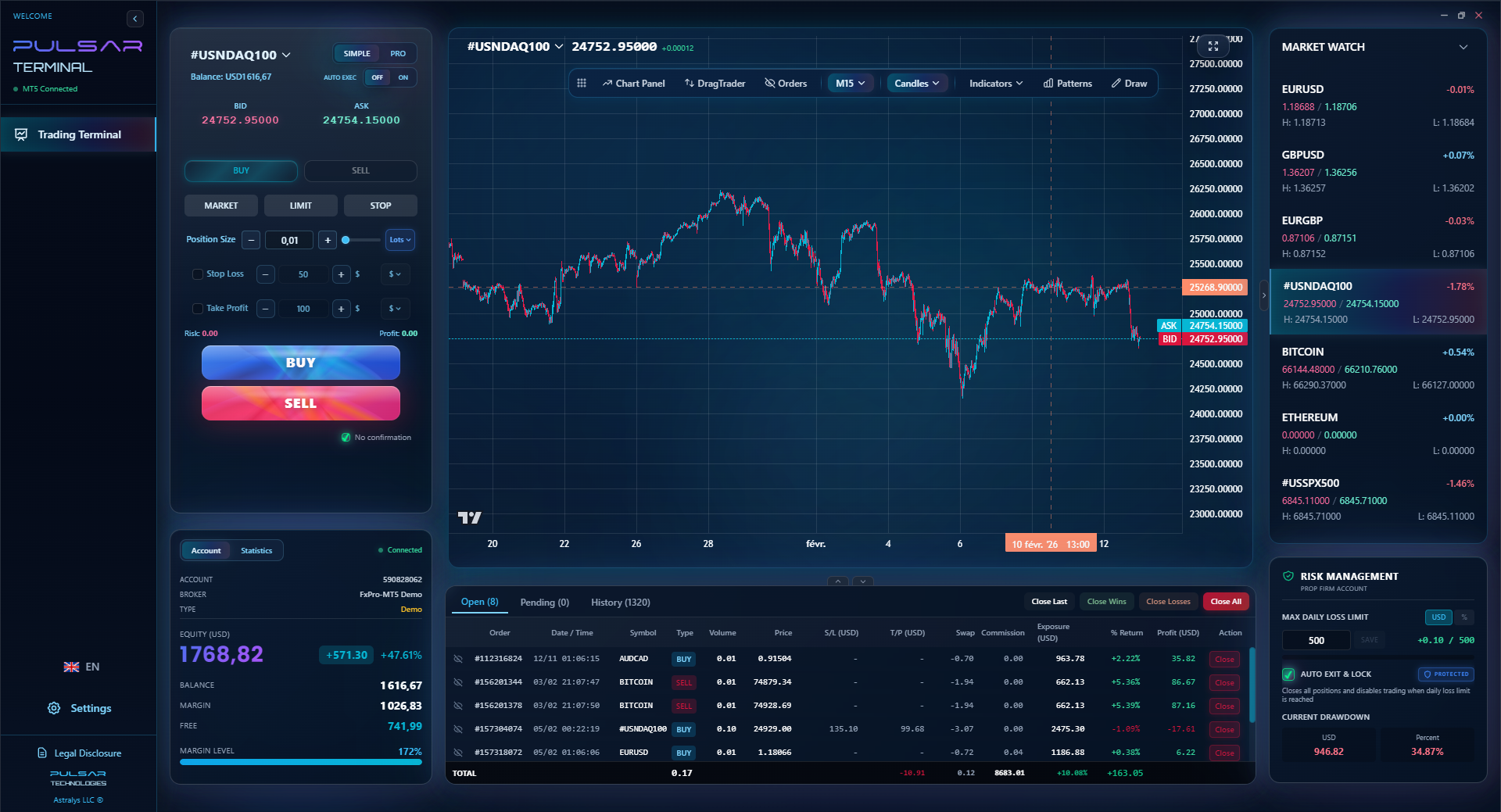
Manually moving stop-losses to breakeven or setting trailing stops is a chore; Pulsar Terminal automates these risk management tasks directly on your MT5 chart.
Pulsar Terminal
La herramienta MT5 todo-en-uno: órdenes drag-and-drop, multi-TP/SL, trailing stop, grid trading, Volume Profile y protección prop firm. Usado por más de 1.000 traders diariamente.
Your personality dictates your style. Don't fight it.
Scalping: Taking dozens of tiny profits throughout the day. Trades last seconds to minutes. It's intense, requires immense focus, and lives and dies by low spreads and fast execution. Not for the faint of heart. If you have a short attention span and love action, look into a scalping strategy.
Day Trading: Opening and closing all positions within the same day. No overnight risk (and no swap charges). You're capitalising on daily volatility.
Swing Trading: Holding trades for days or weeks, aiming to catch larger market 'swings'. This is my personal sweet spot. It requires more patience but less screen time. You need to understand swaps and wider stops. Our guide on swing trading breaks down the approach.
Position Trading: The big picture. Trades last months or years, based on major fundamental trends. This is for the ultra-patient with deep pockets to withstand huge drawdowns.
I tried scalping for two weeks. My record was 17 winning trades in a row, feeling like a king. Then one loss wiped out all those profits and more because I broke my own rules and didn't use a stop. My personality is not built for that pace. I'm a swing trader. Know thyself.
“All the other forex terms are useless if you don't master risk management.”
All the other forex terms are useless if you don't master these. This is the professional's edge.
Risk-Reward Ratio (R:R): The potential profit of a trade compared to its potential loss. If you risk ZAR 100 to make ZAR 300, your R:R is 1:3. You can be wrong more than you're right and still be profitable with a positive R:R.
Position Sizing: Determining how many lots or units to trade based on your account size and pre-defined risk. If you have a ZAR 20,000 account and only want to risk 1% (ZAR 200) on a trade with a 50-pip stop-loss, a position size calculator will tell you exactly how much to buy. This is non-negotiable.
Drawdown: The peak-to-trough decline in your account balance. It's your losing streak. A 10% drawdown means your account is down 10% from its highest point. Every strategy has drawdowns. The key is ensuring they are recoverable.
Hedging: Opening a position to reduce the risk of another. For example, holding a long-term long USD/ZAR position but taking a short-term short if you expect a temporary dip. It's complex and can double your costs (spreads on both sides). Beginners should avoid it.

Pro Tip: Before you enter any trade, write down or know these three numbers: 1) Your entry price. 2) Your stop-loss price (and the Zand amount it represents). 3) Your take-profit price. If you don't have all three, you don't have a trade. You have a gamble.
💡 Consejo de Winston
The spread isn't a fee, it's a toll bridge. You must cross it to get to Profitsville. Some bridges are cheaper than others. Choose your broker accordingly.
Finally, you need to speak the language of your trading terminal.
MT4/MT5: MetaTrader 4 and 5. The most popular retail trading platforms in the world. They look a bit old, but they're reliable and supported by every broker, from XM to Pepperstone.
Slippage: When your order is filled at a worse price than you requested. Common during high volatility (like SARB announcements) or with low liquidity. A market order is a request for slippage.
Requote: Your broker can't fill your order at the price you asked, so they 'requote' you a new, worse price. It's annoying and a sign of poor liquidity or a slow broker.
EA (Expert Advisor): An automated trading robot that runs on MT4/5. It can execute trades based on pre-set rules. 99% of them are junk sold by charlatans. The 1% that work are closely guarded secrets.
VPS (Virtual Private Server): A remote computer that runs your trading platform 24/7. Used to keep EAs running without interruption or for traders who want zero downtime. For a swing trader in SA, it's usually overkill unless your home internet is terrible.
FAQ
Q1What's the most important forex term for a beginner to understand?
Margin and use, without a doubt. Misunderstanding these is the fastest route to a margin call and a blown account. Know that use multiplies loss just as much as profit. Start with the FSCA-mandated lower limits (like 20:1) to learn proper position sizing with real stakes.
Q2Why is the spread on USD/ZAR so much higher than on EUR/USD?
Liquidity and volatility. EUR/USD is the most traded pair in the world, with billions exchanged daily. That massive volume creates tight competition and tiny spreads. USD/ZAR is an exotic pair with far less trading volume. To compensate for the higher risk of facilitating those trades, brokers widen the spread. It's your cost for accessing a less liquid market.
Q3As a South African, should I focus on trading USD/ZAR?
Not necessarily. While you understand the local news, USD/ZAR's high spreads and volatility make it a tougher environment to learn. Many successful SA traders practice on majors like EUR/USD first to master the basics - tight spreads make it easier to see if your strategy works. Then they apply those skills to ZAR pairs with appropriate adjustments for cost and risk.
Q4What is a 'pip' in USD/ZAR?
For USD/ZAR, a pip is typically a 1-unit move in the 2nd decimal place. If USD/ZAR moves from 18.50 to 18.51, that's a 1-pip move. This is different from pairs like EUR/USD, where a pip is the 4th decimal place (1.0850 to 1.0851). Always confirm your broker's quote convention.
Q5What's the difference between a stop-loss and a trailing stop?
A stop-loss is static. You set it at a fixed price, and it stays there. A trailing stop is dynamic. It follows the price at a set distance (in pips) as the trade moves in your favour, locking in profits. A regular stop protects your capital. A trailing stop protects your capital AND your profit.
Q6What does 'long' and 'short' mean?
Going 'long' means you are buying the base currency, expecting it to rise in value against the quote currency. Going 'short' means you are selling the base currency, expecting it to fall. In USD/ZAR, going long means you are buying US Dollars and selling South African Rand.
Q7Is a swap fee always a cost?
No. You can earn a swap if you are long the currency with the higher interest rate. However, for USD/ZAR, the South African interest rate is often higher than the US rate. This means if you are long USD (selling ZAR), you are borrowing the high-interest ZAR to buy the lower-interest USD, so you will usually pay a daily swap fee to hold that position overnight.
Lección del Prof. Winston
Puntos clave:
- ✓A pip in USD/ZAR is the 2nd decimal, not the 4th.
- ✓FSCA use caps (20:1) exist to protect you from yourself.
- ✓Always calculate total cost: Spread + Swap + Commission.
- ✓Risk no more than 1-2% of your capital per trade.
¿Te resultó útil este artículo?
Haz clic en una estrella
Análisis Trading Semanal
Análisis y estrategias semanales gratis. Sin spam.
Sobre el autor
David van der Merwe
Trader de Mercados Emergentes
Trader con sede en Johannesburgo con 11 años en divisas de mercados emergentes. Especialista en pares ZAR, trading regulado por la FSCA y análisis del mercado sudafricano.
Comentarios
Aviso de riesgo
El trading de instrumentos financieros conlleva un riesgo significativo y puede no ser adecuado para todos los inversores. El rendimiento pasado no garantiza resultados futuros. Este contenido tiene fines educativos únicamente y no debe considerarse asesoramiento de inversión. Siempre realice su propia investigación antes de operar.
También te puede interesar

Cara Trading Forex Sukses: 7 Prinsip dari Trader Profesional
Cara trading forex sukses dengan 7 prinsip trader pro: manajemen modal, disiplin, journal trading, backtest. Data nyata, bukan janji profit palsu.
Jam Trading Forex Terbaik untuk Trader Indonesia: Panduan Lengkap dengan Tabel Waktu
Panduan jam trading forex untuk trader Indonesia. Tabel 4 sesi dunia, jam emas 20:00-00:00, sesi mana yang harus dihindari. Data akurat + tips dari trader berpengalaman.
Top 5 Sàn Forex Uy Tín Nhất 2026: Review Jujur dari Trader Indonesia
Top 5 sàn forex uy tín 2026 untuk trader Indonesia. Review jujur: spread, deposit, withdraw, dukungan lokal. Exness, XM, IC Markets & lebih.
Obtener Pulsar Terminal
Todas estas calculadoras están integradas en Pulsar Terminal con datos en tiempo real de su cuenta MT5.
Obtener Pulsar Terminal