


If you trade from Nigeria, you've probably checked www.abokifx.com more times than your own trading account.

Olumide Adeyemi
Pionero del Trading en África Occidental ·  Nigeria
☕ 10 min de lectura
Lo que aprenderás:
- 1What Exactly Is www.abokifx.com?
- 2How to Actually Use AbokiFX Data for Trading
- 3Where Can You Actually Trade Naira-Related Instruments?
- 4The Black Market vs. Official Rate: A Trader's Perspective
- 5Critical Risk Management for Nigerian Traders
- 6Common Mistakes to Avoid with AbokiFX
- 7Building a Simple, AbokiFX-Informed Strategy
- 8The Future: Will AbokiFX Remain Relevant?
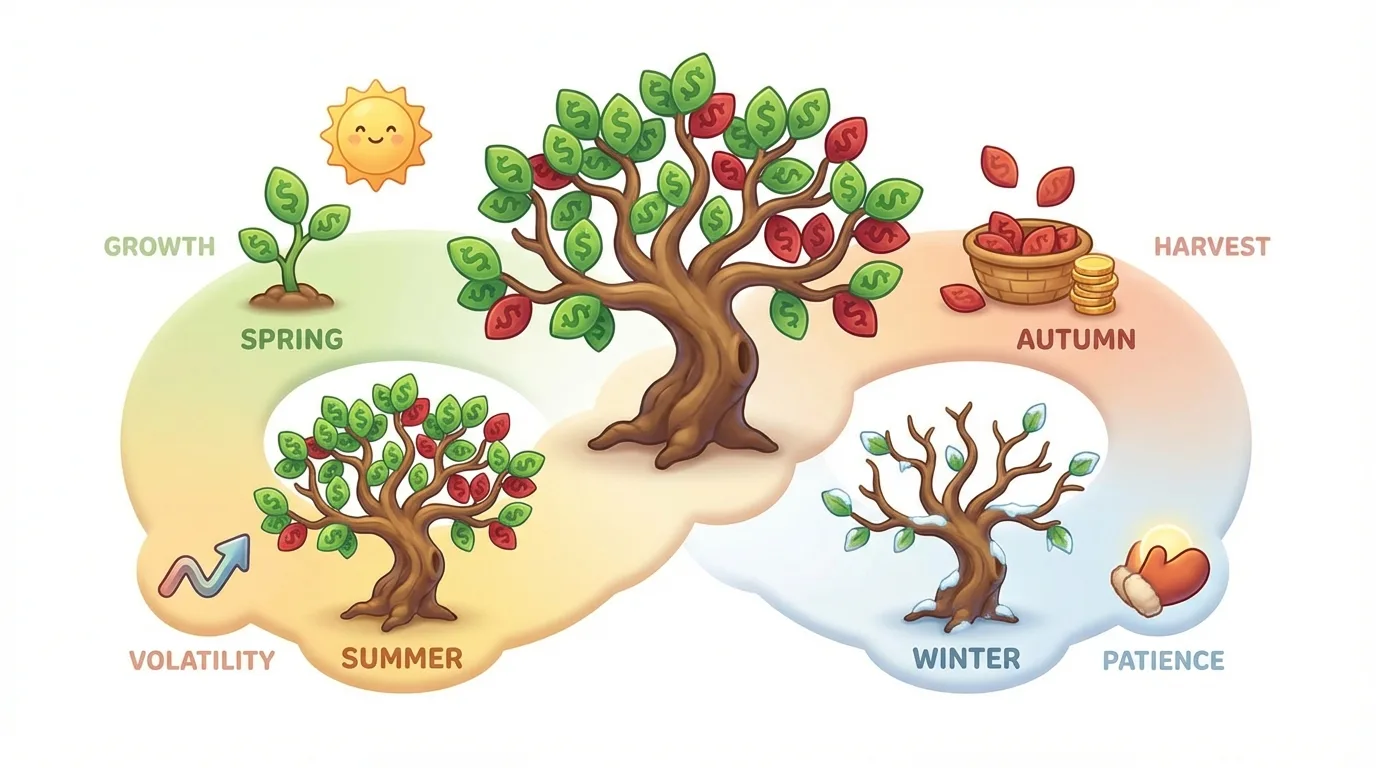
If you trade from Nigeria, you've probably checked www.abokifx.com more times than your own trading account. It's not a broker or a platform, but for millions, it's the most important financial page on the internet. Here's the thing most guides miss: AbokiFX isn't just for checking the dollar rate for school fees. Used right, it's a powerful sentiment gauge and a reality check for trading Naira-related instruments. I've made - and lost - money by learning how to read between its lines.
Let's clear this up first. AbokiFX is a website, period. It's not a forex broker you can trade with. Think of it as a massively popular data aggregator for Nigerian parallel market (read: black market) exchange rates. Its founder, Oniwinde Adedotun, became a household name for publishing these rates when the official CBN window became... let's say, less reflective of reality.
Every trader in Nigeria has a love-hate relationship with it. You love the (mostly) accurate street rate. You hate the panic it can cause when the Naira starts tumbling. I remember refreshing the page during a major dip in 2021, watching the USD/NGN rate climb 15 Naira in a day. My first instinct was to panic-sell everything. That was a mistake. The site shows the symptom, not always the cause.

Warning: The rates on AbokiFX are for the parallel market. You cannot buy or sell at that exact rate in large volumes through your international broker. It's a benchmark, not an executable price.
Its real power is in its universality. When your Uber driver, your barber, and your broker are all talking about 'the rate on Aboki,' you know you're dealing with a deep market sentiment driver. That's the data you can actually use.
So you can't trade directly from the site. How do you turn this information into a trading edge? You use it for context and confirmation.
Spotting Divergences
The most powerful signal comes when there's a huge gap between the official rate and the AbokiFX rate. If CBN says $1 = ₦800, but AbokiFX shows ₦1,200, that's a massive divergence. It tells you the official rate is under severe pressure. Historically, such gaps either lead to a devaluation (the official rate catching down) or increased forex restrictions. This macro view can inform your bias on commodities like oil (Nigeria's main export) or even African bonds.
Sentiment Gauge for Naira Pairs
While you can't trade USD/NGN directly on most international platforms, you can trade crosses like GBP/NGN or EUR/NGN with some brokers. The momentum on AbokiFX is a direct feed into these pairs. If the black-market dollar is soaring, the euro and pound will follow against the Naira. I once caught a nice 180-pip move on EUR/NGN by entering a long position after seeing sustained upward pressure on AbokiFX for three consecutive days, confirmed by a simple RSI indicator reading showing the sell-off was overdone.
The Rumor vs. Reality Check
AbokiFX often publishes news snippets. The comment section is a fever dream of rumors. Your job is to filter noise. If a 'CBN policy change' rumor is causing rates to spike on Aboki but there's no official confirmation, be cautious. I got burned shorting USD/NGN on a rumor that turned out to be completely false. The rate jumped, and my simulated position (I use a spread betting account to mirror the move) hit a margin call. Lesson learned: wait for the official circular.

💡 Consejo de Winston
The market's truth often whispers in the shadows before it shouts from the rooftops. A site like AbokiFX is where it whispers. Learn the language.

“AbokiFX shows the symptom, not always the cause.”
This is the practical bridge. Since AbokiFX gives you the street sentiment, you need a broker that offers exposure to the Naira's movement.
Most major international brokers like IC Markets or Pepperstone don't offer Naira pairs. You need to look for brokers with a strong African focus or CFD/forex brokers that offer exotic pairs. Some local platforms offer Naira-based CFDs, but you must be extremely careful about their regulation.
A safer, more common method is to trade correlated assets:
- US Stocks of Nigerian Companies: Companies like MTN Nigeria or Seplat. A crashing Naira hurts their bottom line (costs in dollars, revenue in Naira).
- Oil (XAU/USD): Not gold, but Crude Oil. Nigeria's budget is oil-revenue based. Falling oil prices often precede Naira weakness. It's an indirect hedge.
- South African Rand (USD/ZAR): Often moves in rough correlation with broader African forex sentiment. It's a liquid proxy.
I primarily use the sentiment from www aboki forex to gauge risk-on or risk-off sentiment within Nigeria. If the rate is stable and liquidity rumors are positive, I might look for long opportunities in Nigerian equities CFDs. If it's in free-fall, I avoid any long Africa-related exposure altogether and might look for shorts on XAU/USD if I believe the central bank will start selling reserves to defend the currency.
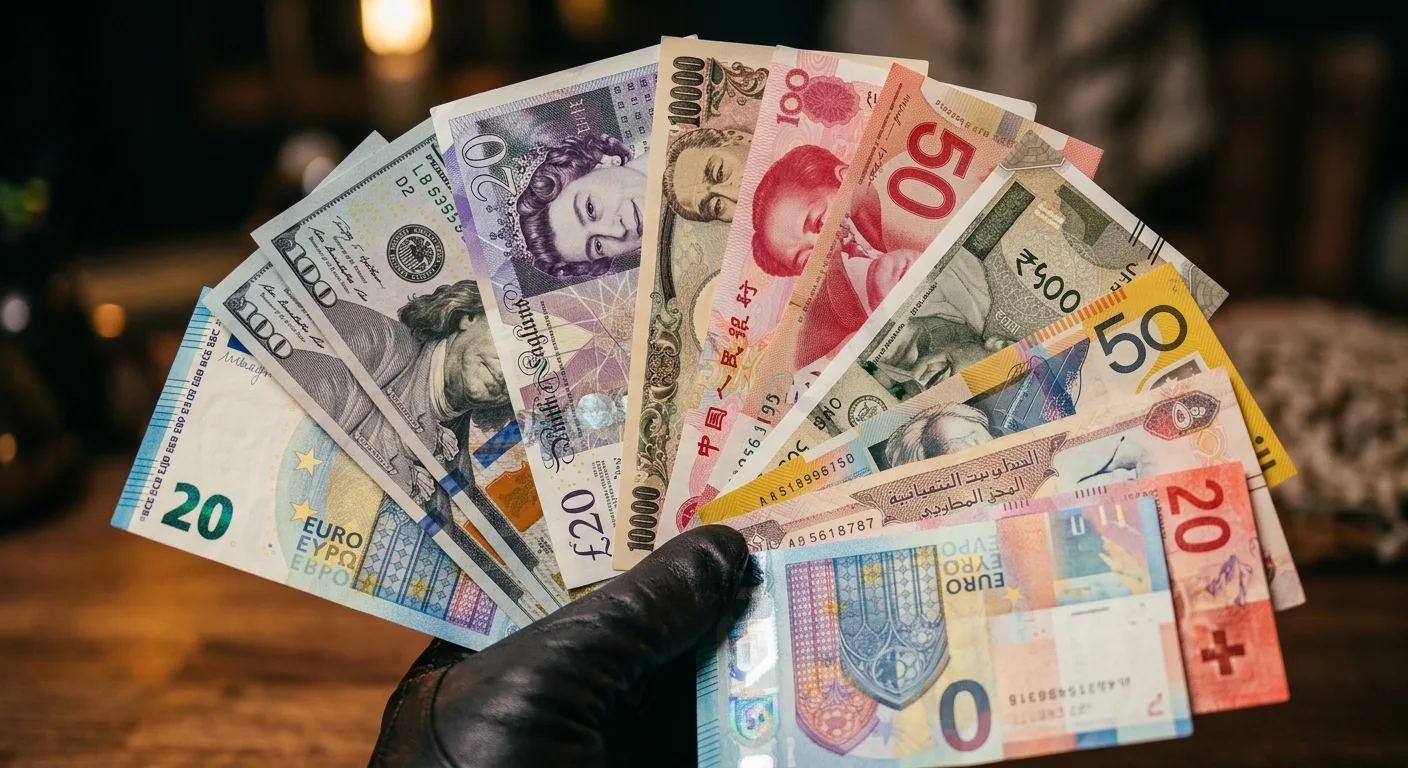
This dual-rate system is Nigeria's unique reality. As a trader, you can't ignore either.
| Rate Type | Source | What It Tells You | Lag Time |
|---|---|---|---|
| Official (NAFEX) | CBN, Interbank | The government's target. Shows policy intent. | High lag. Often stale. |
| Parallel (Black Market) | AbokiFX, Street | The actual price of scarcity & sentiment. Real-time demand. | Near real-time. |
The black-market rate is the canary in the coal mine. It moves first. In June 2023, the parallel rate blew out weeks before the CBN finally unified the windows. Traders watching AbokiFX saw that pressure building and could anticipate the official devaluation.

Pro Tip: Don't just look at the BUY/SELL spread on AbokiFX. Look at the trend of the spread. A widening spread often indicates increasing market illiquidity and panic, which usually precedes a big move in the official rate.
Your trading plan should factor in which rate your instrument is tied to. If you're trading a local stock, it's more affected by the official rate (for company forex access). If you're trading the sentiment via a proxy, the black-market rate is your guide. Confusing the two will lead to bad entries. I learned this by wrongly assuming a stable official rate would calm black-market panic. It didn't, and my long position on an NG-index CFD suffered.

“The black-market rate is the canary in the coal mine. It moves first.”
Trading with the volatility highlighted by a site like www aboki forex requires next-level discipline. The emotional swings are intense.
First, position size is everything. The volatility in proxy assets (like USD/ZAR) can be extreme when Nigerian news hits. I once used my standard 2% risk on a trade triggered by an AbokiFX spike, not accounting for the increased volatility. The wider than normal stop was hit in minutes. Now, if I'm trading based on this data, I cut my position size by at least half. Use a position size calculator religiously, and then reduce it further.
Second, mind the gaps. The Naira market is illiquid. When new forex policies drop over a weekend, the Monday opening on AbokiFX can be a gap of 50-100 Naira. If you're in a correlated trade, you could be slaughtered. This makes holding positions over Nigerian policy weekends very risky. I prefer scalping or very short-term swing trading around these events rather than holding for weeks.
Finally, diversify your information. AbokiFX is a primary source, but don't make it your only one. Follow CBN on Twitter, read financial newspapers, and check the FMDQ website for official NAFEX data. Triangulate the story. If all three are telling you something different, it's best to stay out until the picture clears. The biggest losses happen in the fog of war.
💡 Consejo de Winston
Trading a volatile, information-sensitive market without a plan for weekend gaps is like sailing a dinghy into a hurricane. It's not a question of if you'll sink, but when.

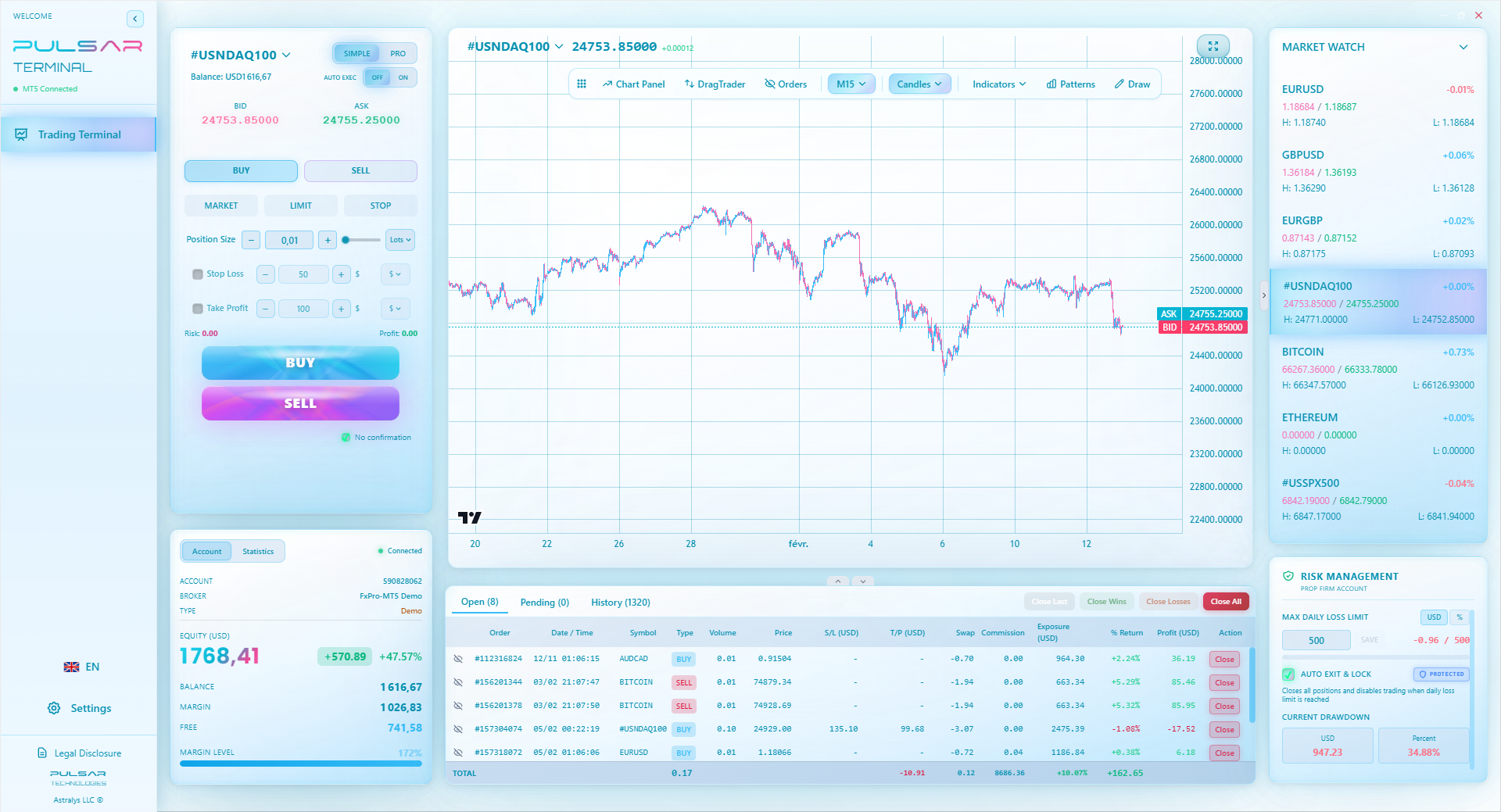
Managing the extreme volatility of trading around Naira news requires precise order tools, which is where a platform like Pulsar Terminal, with its drag-and-drop orders and multi-TP/SL management on MT5, becomes indispensable.
Pulsar Terminal
La herramienta MT5 todo-en-uno: órdenes drag-and-drop, multi-TP/SL, trailing stop, grid trading, Volume Profile y protección prop firm. Usado por más de 1.000 traders diariamente.
I've made most of these, so learn from my wasted Naira.
- Mistaking the Rate for a Trading Signal: Seeing ₦1,400/$ on AbokiFX is not a signal to 'SELL NAIRA.' It's late information. The smart money moved at ₦1,250. You're chasing.
- Trading on Rumors in the Comments: The comment section is entertainment, not analysis. I once saw a detailed 'leak' about a central bank governor resigning. It was pure fiction, but it moved the rate temporarily. Trading on that is gambling.
- Ignoring Liquidity: The rate shown is for maybe $5,000-$10,000 transactions. Try moving $100,000 at that rate. Impossible. The effective rate for large volume is worse. Your broker's liquidity for a proxy trade will reflect the larger, more pessimistic reality.
- Forgetting About Spreads: When you trade a proxy like USD/ZAR, you're dealing with the broker's spread. During high Nigerian volatility, these spreads can widen dramatically on exotics, eating into your potential profit before the move even starts. Always check economic calendars for Nigerian data releases.

“Trading with the volatility highlighted by a site like www aboki forex requires next-level discipline.”
Let's tie this together with a basic framework. This isn't a holy grail, but a structured way to think.
Step 1: Monitor the Gap. Track the percentage difference between the official I&E window rate and the AbokiFX rate. Plot it on a simple chart. A consistently widening gap over 5-10% is a red flag for systemic pressure.
Step 2: Confirm with Correlation. Check the price of oil. Is it falling? Check Nigeria's foreign reserves on the CBN website (published monthly). Are they draining? If the Aboki rate is rising AND oil is down AND reserves are falling, you have a strong confirming narrative.
Step 3: Choose Your Instrument. Decide how to express this view. For most, trading USD/ZAR or shorting an Africa-focused ETF is the most accessible. If you have access, a long USD/NGN CFD (if available) is the direct play.
Step 4: Entry & Management. Don't buy the spike. Wait for a retracement in your proxy instrument. For example, if USD/ZAR spikes on Nigerian news, wait for it to pull back to a key support level on the 4-hour chart, then enter with a tight stop below that support. Your profit target should be a previous resistance level, not a random number.
Step 5: The Exit Rule. Have a fundamental exit rule. For instance: "I will exit half my position if the AbokiFX-CBN rate gap narrows by 30% from its peak, and the rest if the CBN announces a credible liquidity injection." This ties your trade exit to the actual story, not just a random pip target.
💡 Consejo de Winston
Your greatest edge in any market is understanding something everyone else sees but misunderstands. In Nigeria, everyone sees the AbokiFX rate. Very few know how to trade it.
This is the big question. If the CBN achieves true liquidity, transparency, and a single, stable exchange rate, the need for a parallel market benchmark vanishes. But that's a big 'if.'
In the meantime, www aboki forex will likely remain the people's choice for a reality check. For traders, its evolution might be into a more formalized data feed. The real opportunity for savvy traders is to develop quantitative models that use the AbokiFX rate as a leading indicator for broader EMFX (Emerging Market Forex) stress.
My advice? Keep it bookmarked. Use it as a thermometer, not a crystal ball. Understand its limitations, and respect the volatility it represents. It's a unique tool born out of a unique economic situation. No other country has a website quite like it that so directly and publicly showcases market failure - and opportunity.

Example: In January 2024, the AbokiFX rate jumped from ~₦900/$ to over ₦1,400/$ in weeks. Anyone trading a simple mean-reversion strategy (betting it would go back down) without a fundamental catalyst would have been wiped out. The trend was your friend, and the site screamed that trend.
FAQ
Q1Can I trade forex directly on www.abokifx.com?
No, absolutely not. AbokiFX is only a website that publishes exchange rate information from the parallel market. It is not a licensed broker, trading platform, or financial institution. You cannot deposit money or execute trades on it.
Q2Is the rate on AbokiFX the same rate I get from my bank or broker?
Almost never. The rate on AbokiFX is the Nigerian parallel (black) market rate for physical cash or small transfers. Your bank will use the official Central Bank of Nigeria (CBN) rate, which is usually much lower. International forex brokers do not offer USD/NGN at the AbokiFX rate; they might offer it as a CFD based on the official rate or not at all.
Q3How often are the rates on AbokiFX updated?
They are updated multiple times per day, typically in the morning and afternoon on business days, reflecting trading activity in Lagos' parallel market. It's much more frequent than the official rate, which can be static for days.
Q4As a diaspora Nigerian, should I use AbokiFX to decide when to send money home?
Yes, it's an excellent benchmark for the true value of the Naira on the street. It will give you a realistic idea of what your family can get when they convert dollars. However, the actual rate you get from a money transfer service will be slightly lower than the AbokiFX 'sell' rate, as they build in a margin.
Q5Can the data on AbokiFX be manipulated or wrong?
While generally considered reliable, it is a curated data point from a specific segment of the market. In times of extreme volatility or illiquidity, the reported rate might not be easily accessible for large amounts. It's also subject to the site's methodology, so always cross-check with other informal sources if making a large financial decision.
Q6What does 'Aboki' even mean?
"Aboki" is a Hausa word that translates roughly to "friend" or "trusted companion." In the context of Nigerian forex, it colloquially refers to the parallel market operators. The name 'AbokiFX' means 'Friend Forex,' signaling its role as the everyday person's source for forex rates.
Lección del Prof. Winston
Puntos clave:
- ✓AbokiFX is a sentiment gauge, not a trading platform.
- ✓The gap between official and parallel rates is your leading indicator.
- ✓Always trade proxy assets with 50% of your normal position size.
- ✓Never hold Naira-sensitive positions over a policy weekend.
¿Te resultó útil este artículo?
Haz clic en una estrella
Análisis Trading Semanal
Análisis y estrategias semanales gratis. Sin spam.
Sobre el autor
Olumide Adeyemi
Pionero del Trading en África Occidental
Uno de los educadores de trading forex más activos de Nigeria. 8 años de experiencia operando desde Lagos. Especialista en estrategias de bajo capital y desafíos de prop firms para traders africanos.
Comentarios
Aviso de riesgo
El trading de instrumentos financieros conlleva un riesgo significativo y puede no ser adecuado para todos los inversores. El rendimiento pasado no garantiza resultados futuros. Este contenido tiene fines educativos únicamente y no debe considerarse asesoramiento de inversión. Siempre realice su propia investigación antes de operar.
También te puede interesar

Cara Trading Forex Sukses: 7 Prinsip dari Trader Profesional
Cara trading forex sukses dengan 7 prinsip trader pro: manajemen modal, disiplin, journal trading, backtest. Data nyata, bukan janji profit palsu.
Jam Trading Forex Terbaik untuk Trader Indonesia: Panduan Lengkap dengan Tabel Waktu
Panduan jam trading forex untuk trader Indonesia. Tabel 4 sesi dunia, jam emas 20:00-00:00, sesi mana yang harus dihindari. Data akurat + tips dari trader berpengalaman.
Top 5 Sàn Forex Uy Tín Nhất 2026: Review Jujur dari Trader Indonesia
Top 5 sàn forex uy tín 2026 untuk trader Indonesia. Review jujur: spread, deposit, withdraw, dukungan lokal. Exness, XM, IC Markets & lebih.
Obtener Pulsar Terminal
Todas estas calculadoras están integradas en Pulsar Terminal con datos en tiempo real de su cuenta MT5.
Obtener Pulsar Terminal