


Let's be brutally honest: if you think finishing the Babypips 'School of Pipsology' will make you a profitable trader in Nigeria, you're already setting yourself up to lose money.

Olumide Adeyemi
पश्चिम अफ्रीकी ट्रेडिंग अग्रणी ·  Nigeria
☕ 9 मिनट पढ़ने
आप क्या सीखेंगे:

Let's be brutally honest: if you think finishing the Babypips 'School of Pipsology' will make you a profitable trader in Nigeria, you're already setting yourself up to lose money. It's a fantastic starting point, but treating it like a holy text is a rookie mistake I see every week. I've mentored traders who aced every Babypips quiz but still blew their accounts because they couldn't adapt its generic lessons to the realities of trading Naira pairs, dodgy liquidity, and our unique market psychology. This guide isn't about bashing Babypips forex. It's about showing you how to take that solid foundation and build a Nigerian-proof trading plan on top of it. I'll show you where the free course falls short for us, and exactly what you need to add.
Babypips is a free, online encyclopedia for forex beginners. Its 'School of Pipsology' walks you through the absolute basics: what a pip definition is, how to read a candlestick, what an RSI or MACD indicator does. For a Nigerian just hearing about forex from a friend or a WhatsApp group, it's useful. It stops you from asking painfully basic questions in forums and gives you a structured path to follow.
But here's what it isn't: a trading strategy. It's not a guide to navigating the specific volatility of USD/NGN. It doesn't teach you how to handle the 400:1 use that brokers like Exness or HotForex will happily offer you. The psychology lessons are generic ('control your emotions'), not tailored to the pressure of trading with money that might be a significant portion of your monthly income.
I used it myself back in the day. I remember feeling like a genius after finishing the course. Then I deposited $200 with a broker, saw USD/JPY moving, and promptly lost $50 in an hour because I had no real concept of position size calculator or how news actually moves markets. Babypips gave me the words, but not the wisdom.

Warning: Completing Babypips does not mean you are educated enough to trade with real money. It means you know the rules of the road. You still don't know how to drive in Lagos traffic.

💡 विंस्टन की सलाह
Print out the Babypips 'Trading Plan' template. Fill it out by hand. The physical act makes it more real than just clicking through a webpage.
This is where you need to pay attention. The standard Babypips curriculum misses several landmines that are uniquely Nigerian.
The Naira Pair Problem
Babypips focuses on majors like EUR/USD guide. But many Nigerian traders are drawn to USD/NGN or GBP/NGN. These pairs are a different beast. Liquidity can be thin, spreads can be wildly unpredictable, and price action is often driven by Central Bank of Nigeria (CBN) announcements, not pure technicals. A textbook support level on USD/NGN can vaporize in seconds if there's a new forex policy. Babypips won't teach you this.
The use Trap
Brokers serving Nigeria often offer insane use - 1:1000, 1:2000, even 1:3000. Babypips warns about use, but hearing 'use is risky' and feeling a 1:2000 margin call are two different things. I once got cocky on a XAU/USD guide trade with 1:500 use. A $10 move against me wiped out 30% of my account. The Babypips lesson didn't sting until I saw the real numbers in my account history.
Local Payment & Tax Realities
Funding your account isn't as simple as 'use a credit card.' You need to know which brokers accept local bank transfers, USSD, or e-wallets like OPay. More importantly, Babypips won't remind you that in Nigeria, your trading profits are subject to a 10% Capital Gains Tax. I've seen traders make a year's profit only to get a nasty surprise from their accountant.

Example: You make a profit of ₦500,000 from trading in a year. Your tax liability is ₦50,000 (10%). If you funded via a bank transfer, the paper trail exists. The taxman can find it.
“Babypips gave me the words, but not the wisdom.”
Babypips has a broker guide, but it's global. For Nigeria, the list and priorities change dramatically. Regulation is the first headache. The CBN doesn't regulate international retail forex brokers. You're mostly looking at brokers regulated offshore (like by the Seychelles FSA or Cyprus's CySEC) who accept Nigerian clients.
Your checklist should look like this:
- Accepts NGN Deposits/Withdrawals: Saves you conversion fees. Brokers like Exness review, XM review, and OctaFX offer this.
- Local Payment Methods: Can you fund with a bank transfer, Verve card, or OPay? This is non-negotiable.
- Spreads on Your Pairs: Don't just look at EUR/USD. Check the average spread definition on USD/NGN if you plan to trade it. It might be 50 pips when the market is jumpy.
- use Offered: Know what you're getting into. A broker like IC Markets review might offer 1:500, while others go to 1:2000. Higher isn't better.
- Platform Stability: During NFP news or CBN announcements, does their MT4/MT5 hold up? I've had platforms freeze with Pepperstone review and others, but their execution recovery was swift.
Here’s a quick comparison of popular options among Nigerian traders:
| Broker | Min. Deposit (Approx.) | Key Feature for Nigerians | Watch Out For |
|---|---|---|---|
| Exness | ₦4,000 ($5) | Very high use (1:2000+), NGN accounts | use is a double-edged sword |
| XM | ₦4,000 ($5) | Lots of account types, NGN accounts | Spreads can widen on exotics |
| IC Markets | ₦25,000 ($200) | Raw spreads, great for scalping strategy | Higher minimum deposit |
| HotForex (HFM) | ₦4,000 ($5) | Good educational resources, NGN accounts | Standard account spreads are higher |
My advice? Start with a demo account on 2-3, then fund the one with the smoothest deposit process and most stable platform during your demo trades.
💡 विंस्टन की सलाह
When testing brokers, don't just check deposit speed. Make a small withdrawal of ₦2,000. The real test is how easily and quickly you can get your money back.
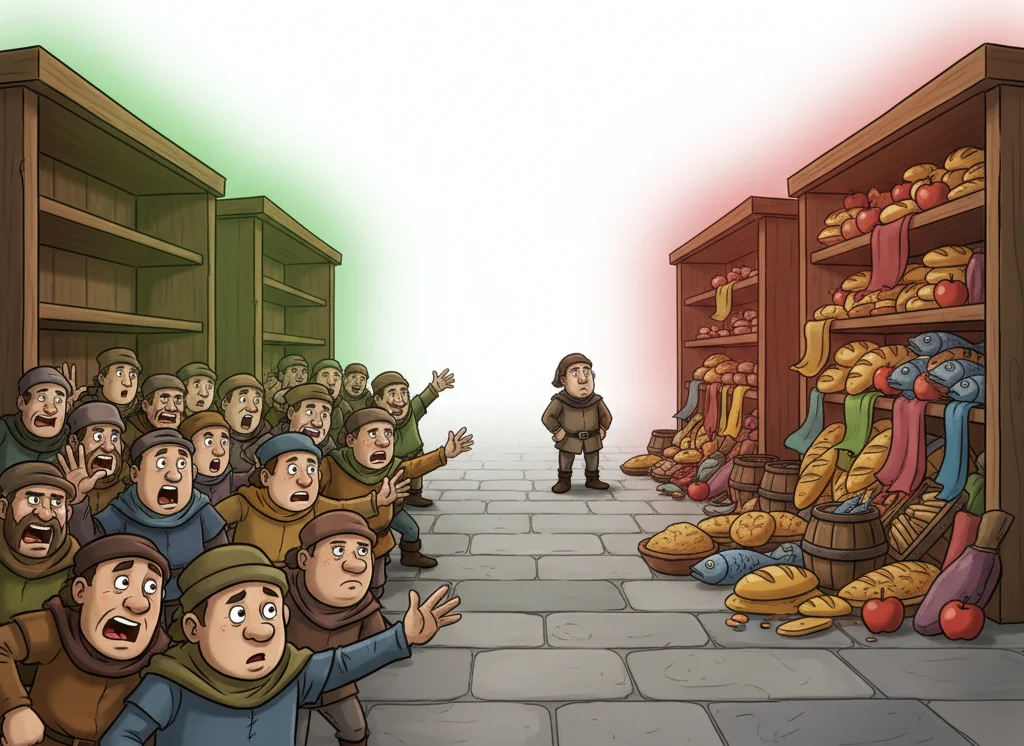
Okay, you've done the School of Pipsology. Now what? Here's your real homework.
First, Specialize. Babypips introduces 20 indicators. You don't need 20. Pick one major pair (EUR/USD is perfect) and one strategy. Maybe it's a simple swing trading strategy using the RSI indicator and support/resistance. Trade only that, in a demo account, for 100 trades. Log every single one. This is where you learn what Babypips can't teach: your own personal reaction to winning and losing.
Second, Localize Your News Feed. Follow the CBN on Twitter. Set Google Alerts for 'Nigeria Forex Policy.' Understand that the Naira's value is political. A textbook head and shoulders pattern on USD/NGN means nothing if the government is about to announce a new exchange rate window.
Third, Redo the Money Management Lessons. This is the most important part. Babypips says 'risk 1-2% per trade.' For a Nigerian trader starting with ₦50,000, that's ₦500-₦1,000. That feels tiny. The temptation to risk 10% (₦5,000) for a 'quick double' is huge. You must internalize that the 1% rule isn't a suggestion; it's the only thing that will keep you in the game long enough to learn.

Pro Tip: Your first real-money account should be an amount you are 100% willing to lose completely. Not 'hopefully not lose,' but 'this money is gone in my mind.' This mental trick removes the emotion that Babypips warns you about but can't teach you to overcome.
“Higher use isn't better. It's just a faster way to find out your risk management is terrible.”
Let me save you some pain and money by listing the exact mistakes I see every single month.
- Overcomplication: New traders stack 5 indicators on a chart because Babypips taught them all. The chart becomes a rainbow-colored mess that gives conflicting signals. Keep it stupid simple.
- Ignoring Fees: They see a 'zero spread' account and think trading is free. They don't factor in the commission per lot, or the overnight swap fees that can eat a scalping strategy profit. Always calculate your true cost per trade.
- Revenge Trading After a Loss: This was my biggest early flaw. I'd lose on a GBP/USD trade, get angry, and immediately jump into a USD/JPY trade to 'make it back.' I'd be trading emotionally, not logically. I once turned a $150 loss into a $400 loss in one afternoon doing this. The Babypips psychology chapter didn't stop me. Only a mandatory 'walk away from the computer' rule did.
- Changing Strategies Weekly: They try a strategy for 3 trades, lose on 2, and abandon it for the next shiny method. Consistency is key. A 40% win-rate strategy with good risk/reward can print money. But you'll never find it if you quit every week.
These aren't knowledge gaps; they are discipline gaps. Babypips gives you the 'what,' but the brutal 'how' of building discipline is on you.
💡 विंस्टन की सलाह
Your first 10 live trades? Risk 0.5% per trade, not 1%. The psychological cushion will let you sleep and think clearly.
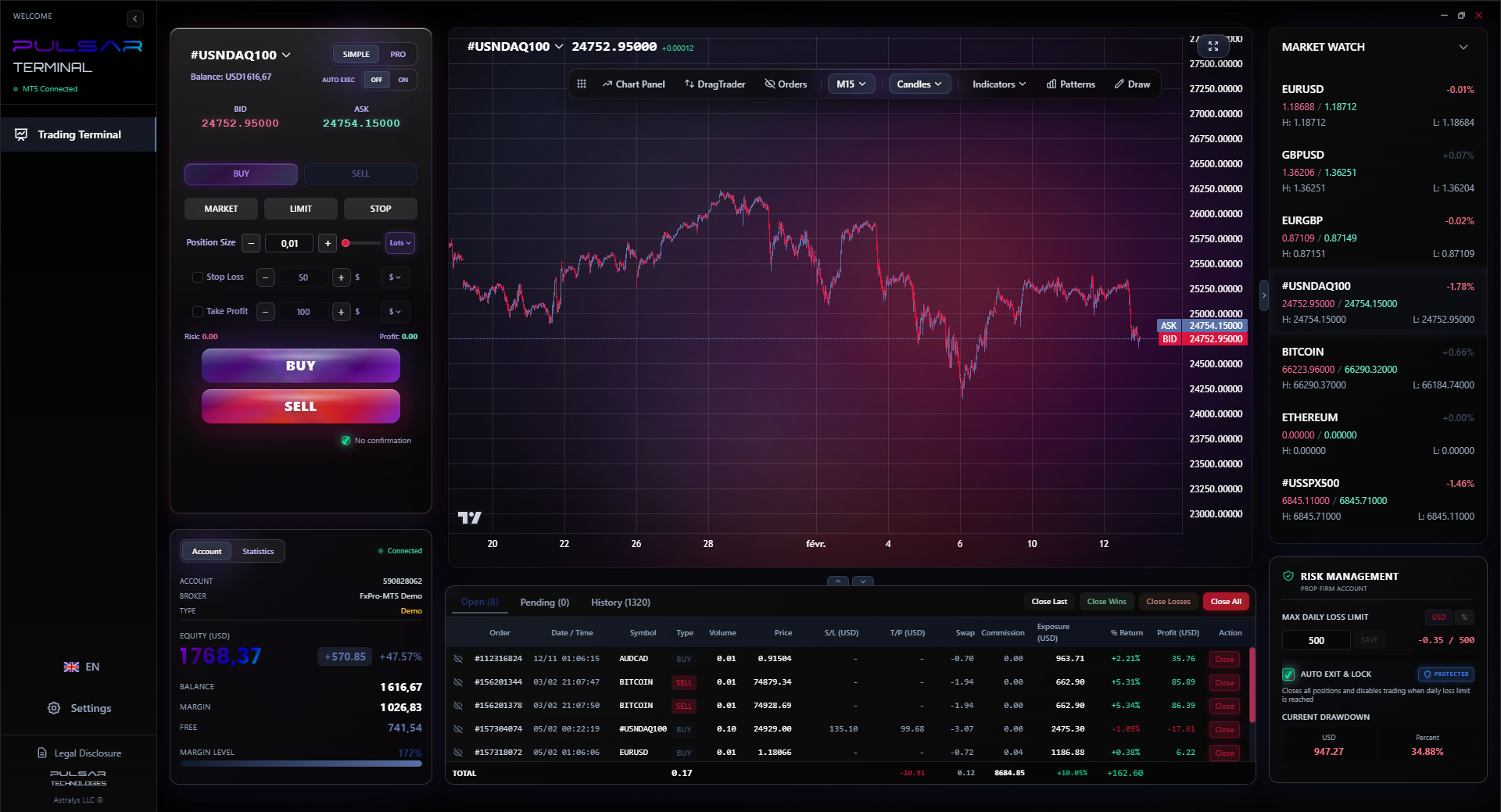
When you're ready to move from demo to live trading, managing multiple trades and strict stop-losses manually on MT5 becomes a huge hassle; Pulsar Terminal automates all that with one-click orders and advanced risk tools.
Don't just close the tab and open a broker website. Follow this sequence:
- Week 1-4: Demo Drill. Pick your one pair and one strategy. Execute 20-30 demo trades. Focus purely on your entry/exit discipline and journaling.
- Week 5: Broker Research. Use the criteria above. Open 2 demo accounts with your shortlisted brokers. Test their platform execution, especially during London and New York open.
- Week 6: The Live Test. Deposit the minimum possible amount with your chosen broker. For many, that's about ₦4,000-₦8,000. Your goal is not to profit. Your goal is to make 20 live trades following your plan, experiencing the real emotion of a live spread definition and slippage. If you can do that without blowing up or breaking your rules, you're ready for a more serious deposit.
- Ongoing: Find a Community. Not a WhatsApp 'signal' group full of gurus. Find a small group or forum of serious traders where you can discuss analysis and share trade journals. Accountability is everything.
This process might take 2-3 months. Most people want to do it in 2 days. The ones who take the slow, boring path are the ones who still have capital a year later.

“Your first real-money account should be an amount you are 100% willing to lose completely.”
Is Babypips forex education worth it for a Nigerian? Absolutely. It's the best free starting resource available, period. It will stop you from being a total novice.
But it is only the first 10% of the journey. The next 90% - adapting that knowledge to our market, managing the psychological pressure of trading in an economy with high inflation, choosing the right broker, and developing inhuman discipline - is where you either make it or break it.
I have a student in Port Harcourt who followed a plan like the one above. He spent 3 months on demo after Babypips, then started live with ₦20,000. He focused solely on Gold (XAU/USD guide) with a simple breakout strategy. In his first year, he grew that to ₦180,000. Not life-changing money, but a 900% return because his risk was microscopic and his discipline was ironclad. He used the Babypips basics as his foundation, but he built the house himself.
Start with Babypips. Respect it. Then move on, and start doing the real work.
FAQ
Q1Is Babypips enough to become a professional forex trader in Nigeria?
No, it's not. Think of Babypips as primary school. It teaches you to read and write (understand pips, charts, basic analysis). Becoming a 'professional' requires university and real-world experience - specializing in a strategy, understanding Nigerian market dynamics, and developing intense psychological discipline, which only comes from live trading.
Q2What is the biggest mistake Nigerian traders make after using Babypips?
They treat the information as a complete trading system. They learn about 1:100 use in theory, then go and use 1:2000 because their broker offers it, not understanding that a 5-pip move against them can wipe out a huge chunk of their margin. They fail to adapt the generic lessons to the high-use, high-volatility environment common for Nigerian traders.
Q3Can I use Babypips to trade Naira pairs like USD/NGN?
You can use the core technical analysis principles, but you must be extremely cautious. Naira pairs are less liquid and more prone to sudden gaps due to CBN policy news. The spreads are often much wider. Babypips does not cover these local idiosyncrasies. It's better to practice on major pairs like EUR/USD first.
Q4Do I need to pay for trading education after Babypips?
Not necessarily. There is a vast amount of free, high-quality information online. However, the value in a paid course or mentorship is often structure, accountability, and direct feedback on your trades - things Babypips and free blogs can't provide. Be very wary of any 'guru' selling 'secret strategies' or guaranteed profits.
Q5How long should I practice on a demo account after Babypips?
Minimum one month of consistent, daily practice executing a single, simple strategy. Aim for at least 50-100 logged demo trades. The goal isn't to be profitable on demo (many are), but to build the muscle memory of your trading process so it's automatic when real money is on the line.
Q6Does Babypips cover how to choose a broker for Nigeria?
Its broker reviews are global. It won't tell you which brokers accept Naira deposits via bank transfer or which have reliable platforms for Nigerian internet connections. You must do this local research yourself, focusing on payment methods and local user reviews.
Q7What part of the Babypips course is most important for beginners?
The sections on Risk Management and Trading Psychology. The technical analysis stuff is flashy, but without rock-solid risk management (position sizing, stop-losses), you will lose all your money. The psychology lessons are a warning manual for the mental battles you are guaranteed to face.
प्रो. विंस्टन का पाठ
:
- ✓Babypips is Primary 1, not a university degree.
- ✓Nigerian markets need local knowledge: follow CBN news.
- ✓Risk max 1% per trade, even with high use available.
- ✓Demo trade for 100+ executions before going live.
- ✓Choose brokers by Naira deposit speed, not just spreads.
यह लेख कितना उपयोगी था?
रेट करने के लिए स्टार पर क्लिक करें
साप्ताहिक ट्रेडिंग विश्लेषण
मुफ़्त साप्ताहिक विश्लेषण और रणनीतियाँ। कोई स्पैम नहीं।
लेखक के बारे में
Olumide Adeyemi
पश्चिम अफ्रीकी ट्रेडिंग अग्रणी
नाइजीरिया के सबसे सक्रिय फॉरेक्स ट्रेडिंग एजुकेटर्स में से एक। लागोस से 8 साल का ट्रेडिंग अनुभव। अफ्रीकी ट्रेडर्स के लिए लो-कैपिटल स्ट्रैटेजीज और प्रॉप फर्म चैलेंजेज में विशेषज्ञ।
टिप्पणियाँ
आपको यह भी पसंद आ सकता है

Cara Trading Forex Sukses: 7 Prinsip dari Trader Profesional
Cara trading forex sukses dengan 7 prinsip trader pro: manajemen modal, disiplin, journal trading, backtest. Data nyata, bukan janji profit palsu.
Jam Trading Forex Terbaik untuk Trader Indonesia: Panduan Lengkap dengan Tabel Waktu
Panduan jam trading forex untuk trader Indonesia. Tabel 4 sesi dunia, jam emas 20:00-00:00, sesi mana yang harus dihindari. Data akurat + tips dari trader berpengalaman.
Top 5 Sàn Forex Uy Tín Nhất 2026: Review Jujur dari Trader Indonesia
Top 5 sàn forex uy tín 2026 untuk trader Indonesia. Review jujur: spread, deposit, withdraw, dukungan lokal. Exness, XM, IC Markets & lebih.
All these calculators are built into Pulsar Terminal with real-time data from your MT5 account. One-click position sizing, automatic risk management, and instant calculations.
