


I watched the referral commission hit my account: R4,200 for a single client deposit.

David van der Merwe
उभरते बाजार के ट्रेडर ·  South Africa
☕ 9 मिनट पढ़ने
आप क्या सीखेंगे:
- 1What Exactly Is a Forex Broker Affiliate Program?
- 2How Affiliates *Actually* Make Money (The Math They Hide)
- 3The Biggest Risks for South African Affiliates (FSCA, Reputation, Tax)
- 4Choosing the Right Broker and Program
- 5Building an Audience, Not Just Spamming Links
- 6Tracking, Taxes, and Scaling It Like a Business

I watched the referral commission hit my account: R4,200 for a single client deposit. It was 2018, and a guy from Durban I'd never met had funded an account with $5,000 through my affiliate link. The dopamine hit was stronger than any winning trade. For a moment, I thought I'd cracked the code - getting paid for other people's trading, regardless of whether they won or lost. That's the seductive promise of forex broker affiliate programs. But here's the brutal truth I learned over the next few years: that R4,200 came with a hidden cost, and most people promoting these programs are either lying about their income or about to blow up their reputation.
At its core, it's a referral partnership. You sign up with a broker like Exness, IC Markets, or XM through their affiliate portal. They give you a unique tracking link. You share that link. When someone clicks it, signs up, and deposits money, you earn a commission. Simple, right?
There are usually two main payout models, and understanding the difference is critical.
The Two Main Commission Models
Revenue Share (RevShare): This is the most common. You earn a percentage of the broker's revenue generated from your referred client's trading activity. This is typically calculated from the spreads and commissions they pay. If your client trades a lot, you earn a lot. If they lose their deposit quickly and stop trading, your income stream dries up. It's a long-term play.
Cost-Per-Action (CPA): Also called a flat bounty. You get a one-time fixed payment when your referral meets specific criteria, like making a minimum deposit. It's upfront cash, but that's it. No ongoing revenue. Some brokers in South Africa offer CPA deals of $200-$500 for a qualified trader, which can be tempting when converted to Rands.

Warning: Many "get rich quick" promoters only talk about the CPA upfront fee. They don't mention that the real, sustainable money in forex broker affiliate programs is in RevShare from active, long-term traders. Chasing CPA bounties often leads to promoting to the wrong, quick-buck audience.
“That R4,200 commission came with a hidden cost: a broken relationship with a trader who blew his account.”
Let's get specific with South African Rands. Forget the YouTube screenshots of $10,000 monthly payouts. Let's talk real, attainable numbers for someone building an audience here.
Assume you refer a client to a broker. They deposit R20,000 (roughly $1,050).
- Scenario 1 (CPA): The broker pays a $300 CPA. You get about R5,700 once. Done.
- Scenario 2 (RevShare - 25% rate): Your client is a moderate swing trader. They might generate R800 in spread/commission costs for the broker per month. Your 25% cut is R200 per month. In 29 months, you've matched the CPA. Every month after that is pure profit.
See the difference? The CPA is a sugar rush. The RevShare is a pension plan. The biggest lie in affiliate marketing is focusing on the number of referrals instead of the quality of referrals. I learned this the hard way. I once pushed for 50 CPA sign-ups in a month, boasting about the quick cash. Within 90 days, 48 of those accounts were dormant or blown. My reputation with that broker's affiliate manager tanked, and my future commissions were scrutinized heavily.

Example: Let's say you build a decent following teaching about position sizing and risk management. You refer 10 serious traders who each deposit R50k and trade consistently. At a 30% RevShare, with each generating R2,000 in monthly broker revenue, you're looking at R6,000 per month in passive-ish income. That's realistic. That's building a real business, not a hype machine.

💡 विंस्टन की सलाह
An affiliate commission is a liability until it's in your bank account and the tax is set aside. Broker terms can change, and tracking can fail. Never count on future affiliate income to pay current bills.
“The CPA is a sugar rush. The RevShare is a pension plan.”
This isn't a free lunch. The risks can wipe out your earnings and get you in legal trouble.
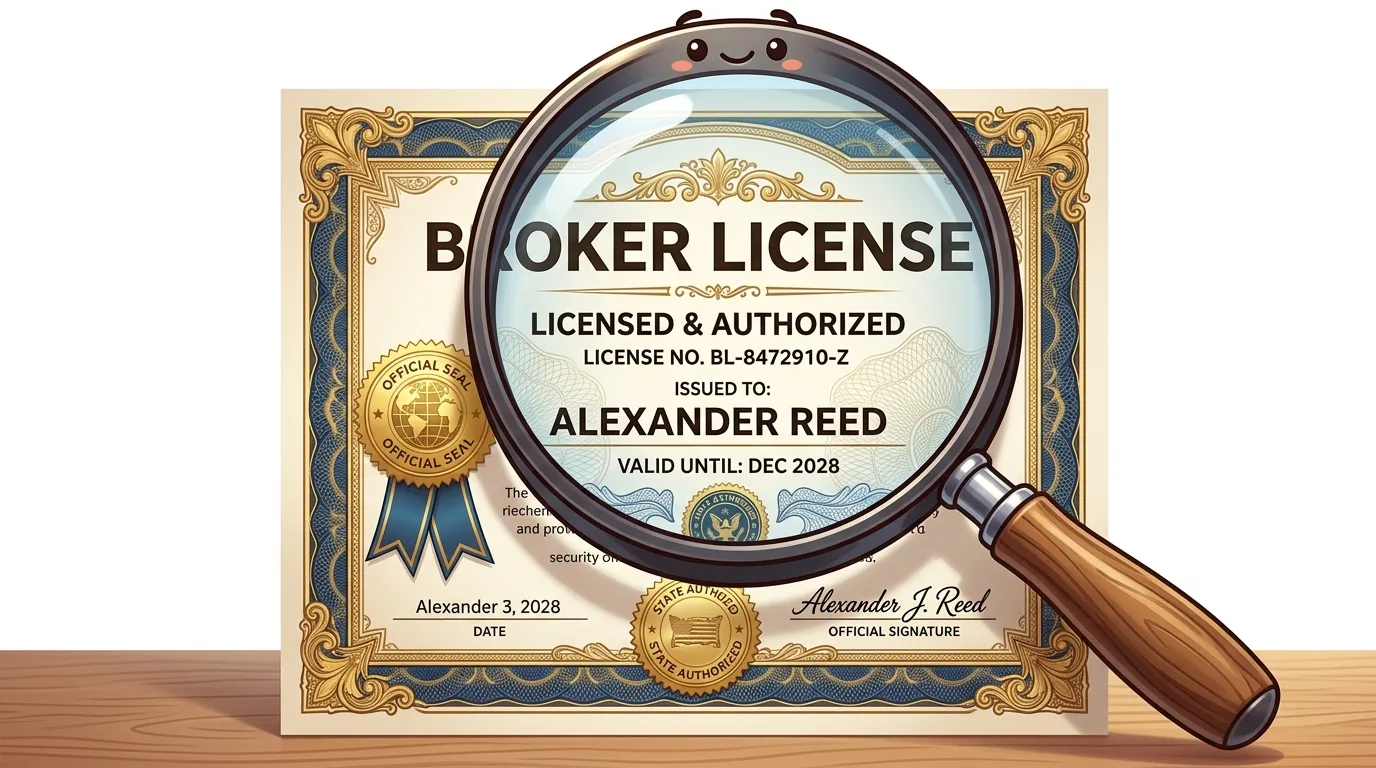
1. Regulatory Landmines (The FSCA): The Financial Sector Conduct Authority doesn't regulate affiliate marketing directly, but they do regulate financial advice and promotional content. If you present yourself as an expert, give specific trade signals, or promise returns to get sign-ups, you're treading on dangerous ground. You are not allowed to give financial advice without a license. Period. Your content must be educational, not advisory.
2. Reputation Suicide: This is the personal risk. You are financially incentivized to get people to deposit money into a leveraged, high-risk product. The ethical conflict is enormous. When (not if) your followers lose money, they will associate that loss with you. I've seen Telegram channels and Facebook groups turn into mobs against a promoter after a bad market week. That R4,200 commission I mentioned? That guy from Durban blew his entire account in two weeks trading gold (XAU/USD) on margin. He didn't blame the broker. He blamed me for "introducing him to a scam." The relationship was permanently broken.
3. The Tax Man (SARS): Affiliate income is not a gift. It's business income. You must declare it to SARS. I know promoters who've been slapped with huge back-tax bills plus penalties because they thought affiliate payouts from offshore brokers were invisible. They're not. Keep careful records of every payment.
4. Broker Reliability: What if your broker decides to change their terms, lower RevShare percentages, or worse, withhold payments? This happens. Sticking with well-established, transparent brokers with a long track record in South Africa, like those we review, is a non-negotiable part of your risk management.
“Your goal is to be the person they come to *before* they choose a broker, because you've already given them unbiased help.”
Not all forex broker affiliate programs are created equal. Your choice of partner is everything. Here’s what to look for, specifically for the SA market:
| Feature | Why It Matters for You |
|---|---|
| Local Support & Payouts | Can they pay directly into your South African bank account in ZAR? Do they have a local affiliate manager you can actually call? |
| FSCA Regulation (for the broker) | Promoting an unregulated broker to South Africans is a major red flag and increases your risk. Stick to brokers with clear regulation. |
| Transparent Tracking & Reporting | You need a real-time dashboard you trust. I once had a dispute over 15 referrals that "didn't track." A good portal shows clicks, registrations, deposits clearly. |
| Fair Withdrawal Terms | What's the minimum payout? How often (weekly, monthly)? Are there fees? Some programs hold your money for 60 days as a "security reserve." Avoid those. |
| Competitive & Sustainable Rates | A 50% RevShare offer is often too good to be true and may mean the broker has poor execution. A stable 25-35% from a top-tier broker like Pepperstone is better than 50% from a shady one. |
Your content should align with the broker's strengths. If you teach advanced scalping strategies, partner with a broker known for raw spreads and fast execution. If you focus on beginners, a broker with excellent educational resources and customer support is a better fit.

Pro Tip: Before you promote anyone, open a live trading account with them yourself. Fund it with a small amount. Test their deposit/withdrawal process, spreads during SA market hours, and customer service. If you wouldn't trade with them, you have no business promoting them.
💡 विंस्टन की सलाह
The most valuable asset you have is your audience's trust. You can sell it once for a quick CPA bounty, or you can nurture it and collect RevShare for a decade. The math favours the latter, but human psychology often chooses the former.
“Your goal is to be the person they come to *before* they choose a broker, because you've already given them unbiased help.”
This is where 95% of would-be affiliates fail. They think it's about posting a link everywhere. It's not. It's about building trust and providing genuine value.
Forget the generic "make money trading" posts. Be specific. Create content that solves real problems for South African traders:
- "How to hedge your ZAR exposure when trading EUR/USD."
- "A breakdown of ECN vs Standard account fees for SA traders."
- "Using the RSI indicator on the USD/ZAR pair: a practical guide."
- "What is a margin call and how to avoid it."
Your affiliate link becomes a natural, helpful next step. "If you're looking for a broker to apply this strategy on, I use XYZ. Here's my link if you want to check them out." That converts 10x better than "SIGN UP HERE AND GET RICH!"
I shifted my own approach in 2020. I stopped promoting "a broker" and started documenting my own journey with a specific strategy, showing the exact broker platform I used. My conversion rate tripled because the audience saw the integration as authentic. The tools you use and recommend matter. For instance, if you use advanced order types to manage risk, mentioning a platform that supports them adds credibility.
Your goal is to be the person they come to before they choose a broker, because you've already given them unbiased help. That's how you build an asset that pays for years.

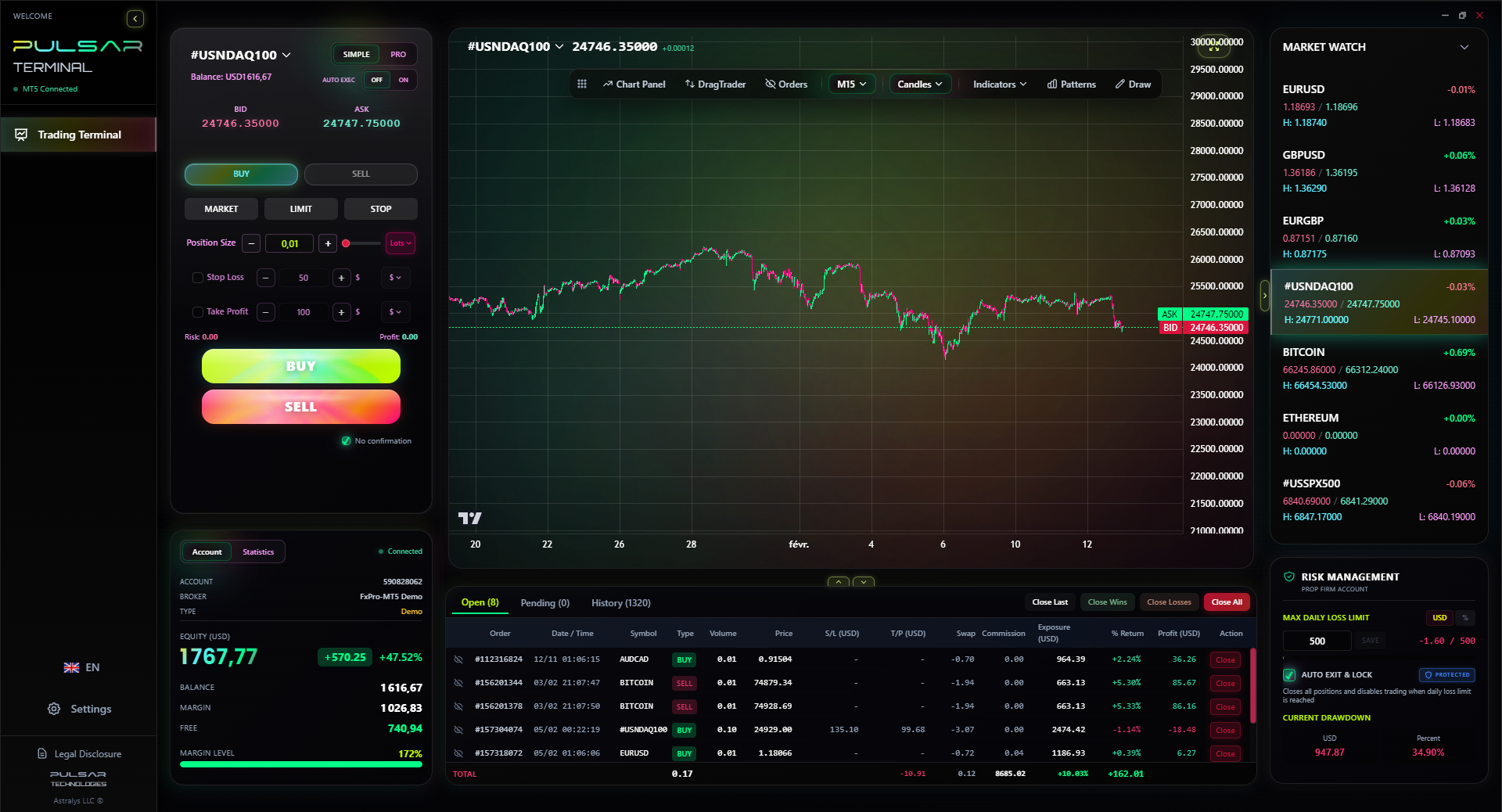
When you create educational content on complex strategies, showing how to use advanced tools like multi-TP/SL or trailing stops on a real platform adds immense credibility to your affiliate recommendations.
“You are not allowed to give financial advice without a license. Period. Your content must be educational, not advisory.”
If you start earning more than a few thousand Rand a month, you are now a business. Act like one.
1. Tracking is Everything: Use link shorteners with tracking (like Bitly) on top of the broker's tracking. Track which content (YouTube video, blog post, Instagram story) generates the most clicks and conversions. Double down on what works.
2. Get Your Taxes Sorted: Open a separate business bank account. Every affiliate payment goes in there. Hire a small business accountant who understands online income. Set aside 25-30% of every payment for SARS immediately. Trust me, the peace of mind is worth the accountant's fee.
3. Reinvest to Scale: Don't blow all the commissions. Reinvest them into better content. That could mean a proper camera, a video editor, or sponsoring a small giveaway for your community to grow your audience. The fastest way to kill your affiliate business is to treat it like disposable income.
4. Diversify Your Partners: Don't rely on one broker's program. Build relationships with 2-3 reputable brokers. This protects you if one program changes and allows you to match different brokers to different segments of your audience (e.g., one for beginners, one for pros).
The mindset shift is key. You are no longer just a trader or a promoter. You are a publisher in the finance education space. Your product is trust. The affiliate commissions are just how that product monetizes.
FAQ
Q1Do I need a website to start a forex affiliate program?
No, but it helps immensely for credibility and tracking. You can start with a social media profile, but a simple blog or review site (where you disclose your affiliate relationships) is far more effective and looks professional. It's also an asset you own, unlike a social media page which can be deleted.
Q2How much can I realistically earn as a beginner in South Africa?
In your first year, if you're consistent, R2,000 to R10,000 per month is a realistic target. This assumes you're building real content and not just spamming links. The "gurus" showing $50k months are either at the very top of the pyramid or lying. Focus on building a sustainable R10k/month business first.
Q3Is it legal to be a forex affiliate in South Africa?
Yes, the act of referring people for a commission is legal. However, your marketing activities must comply with FSCA guidelines. You cannot give financial advice, guarantee profits, or misrepresent the risks of trading. Always include clear risk disclaimers.
Q4What's the difference between an affiliate and an introducing broker (IB)?
In practice, the terms are often used interchangeably by brokers. Technically, an IB (Introducing Broker) usually has a closer, more formalized relationship with the broker and may handle some client support, often for higher commissions. An affiliate is typically more hands-off, just driving traffic. For most South Africans starting out, you'll be in an affiliate program.
Q5Can I promote multiple forex broker affiliate programs at once?
Yes, and you should to diversify your income. But be transparent. Don't pretend you only use one broker if you're promoting three. You can frame it as, "For beginners, I recommend Broker A. For advanced traders looking for raw spreads, Broker B is better." This actually increases your credibility.
Q6What happens if my referred client loses all their money?
You still keep any commissions earned up to that point (from spreads paid or the CPA). This is the core ethical dilemma. Your income is tied to their trading activity, not their success. This is why promoting responsible trading and risk management is not just good advice, it's essential for your long-term reputation.
प्रो. विंस्टन का पाठ
:
- ✓RevShare builds long-term wealth; CPA is short-term cash.
- ✓Your reputation is your primary trading capital.
- ✓Declare all affiliate income to SARS immediately.
- ✓Promote risk management harder than you promote the broker.
- ✓Test the broker's platform yourself before promoting it.
यह लेख कितना उपयोगी था?
रेट करने के लिए स्टार पर क्लिक करें
साप्ताहिक ट्रेडिंग विश्लेषण
मुफ़्त साप्ताहिक विश्लेषण और रणनीतियाँ। कोई स्पैम नहीं।
लेखक के बारे में
David van der Merwe
उभरते बाजार के ट्रेडर
जोहानसबर्ग स्थित ट्रेडर, इमर्जिंग मार्केट करेंसीज में 11 साल का अनुभव। ZAR पेयर्स, FSCA-विनियमित ट्रेडिंग और दक्षिण अफ्रीकी मार्केट एनालिसिस में विशेषज्ञ।
टिप्पणियाँ
आपको यह भी पसंद आ सकता है

Cara Trading Forex Sukses: 7 Prinsip dari Trader Profesional
Cara trading forex sukses dengan 7 prinsip trader pro: manajemen modal, disiplin, journal trading, backtest. Data nyata, bukan janji profit palsu.
Jam Trading Forex Terbaik untuk Trader Indonesia: Panduan Lengkap dengan Tabel Waktu
Panduan jam trading forex untuk trader Indonesia. Tabel 4 sesi dunia, jam emas 20:00-00:00, sesi mana yang harus dihindari. Data akurat + tips dari trader berpengalaman.
Top 5 Sàn Forex Uy Tín Nhất 2026: Review Jujur dari Trader Indonesia
Top 5 sàn forex uy tín 2026 untuk trader Indonesia. Review jujur: spread, deposit, withdraw, dukungan lokal. Exness, XM, IC Markets & lebih.
All these calculators are built into Pulsar Terminal with real-time data from your MT5 account. One-click position sizing, automatic risk management, and instant calculations.
