


Everyone tells you forex is a path to quick riches.

Olumide Adeyemi
पश्चिम अफ्रीकी ट्रेडिंग अग्रणी ·  Nigeria
☕ 9 मिनट पढ़ने
आप क्या सीखेंगे:
- 1Forex in Nigeria Isn't What You Think
- 2Your First Real Steps: Broker, Account, Demo
- 3Learning to Read the Market (Forget the Hype)
- 4The Math That Saves You: Risk Management
- 5The Nigerian Hustle: Funding and Withdrawing
- 6Developing a Nigerian Trader's Mindset
- 7The Moment of Truth: From Demo to Live
- 8Pitfalls Every Nigerian Beginner Falls Into

Everyone tells you forex is a path to quick riches. They're lying. The real path is through a minefield of scams, emotional wreckage, and blown accounts. I lost over ₦450,000 before I figured it out. This isn't a get-rich-quick scheme. It's a skill, and like any skill in Nigeria, you learn it the hard way or you get played. I'll show you how to start forex the right way, so you keep your money while you learn.
Let's clear the air. The forex you see on Instagram, with guys posing in front of rented supercars, is marketing. The reality is sitting in your room at 2 AM, watching a chart while the power goes out, stressing over a 50-pip move. The market doesn't care about your bills, your 'side hustle' dreams, or the naira's volatility. It's a global beast.
In Nigeria, we have unique hurdles. Banking restrictions can make funding and withdrawing a nightmare. We're also a prime target for unregulated offshore brokers promising the moon. I learned this the hard way with a "broker" that offered insane use and then vanished when I tried to withdraw my first ₦80,000 profit. Poof. Gone.

Warning: If a broker's ad is all about luxury lifestyles and not about their regulatory status (like FCA, ASIC, or CySEC), run. Your first job isn't to trade, it's to protect your capital from sharks.
The real work is boring. It's analysis, risk management, and psychology. The glamour is a lie. The profit, however, can be very real if you treat this like a business, not a casino.

Picking a Broker You Can Trust
This is your most critical decision. You need a broker that accepts Nigerian clients, processes withdrawals reliably, and is properly regulated. I've had good experiences with international brokers that serve our market. For instance, Exness has local deposit options and a solid reputation here. IC Markets is another favorite for their raw spreads. Do not, I repeat, do not sign up with a broker just because your 'mentor' gets a referral bonus.
Opening That First Account
Start with a demo account. I don't care how smart you are. You need to feel the platform, understand what a pip really means in naira terms, and practice placing orders without fear. Demo trade for at least two months. Track your results like it's real money. When I finally switched to live, I still lost, but I wasn't fumbling with the software.
Understanding the Costs
Trading isn't free. You pay the spread (the difference between buy and sell price), and sometimes commissions. On a $10,000 (roughly ₦14.5M) trade, a 1-pip spread might cost you $1. It seems small, but it adds up fast, especially if you're into scalping. Always factor in costs before you enter a trade.

Pro Tip: Fund your first live account with money you can afford to lose completely. I started with ₦50,000. Losing it hurt, but it didn't break me. It bought me an useful education.
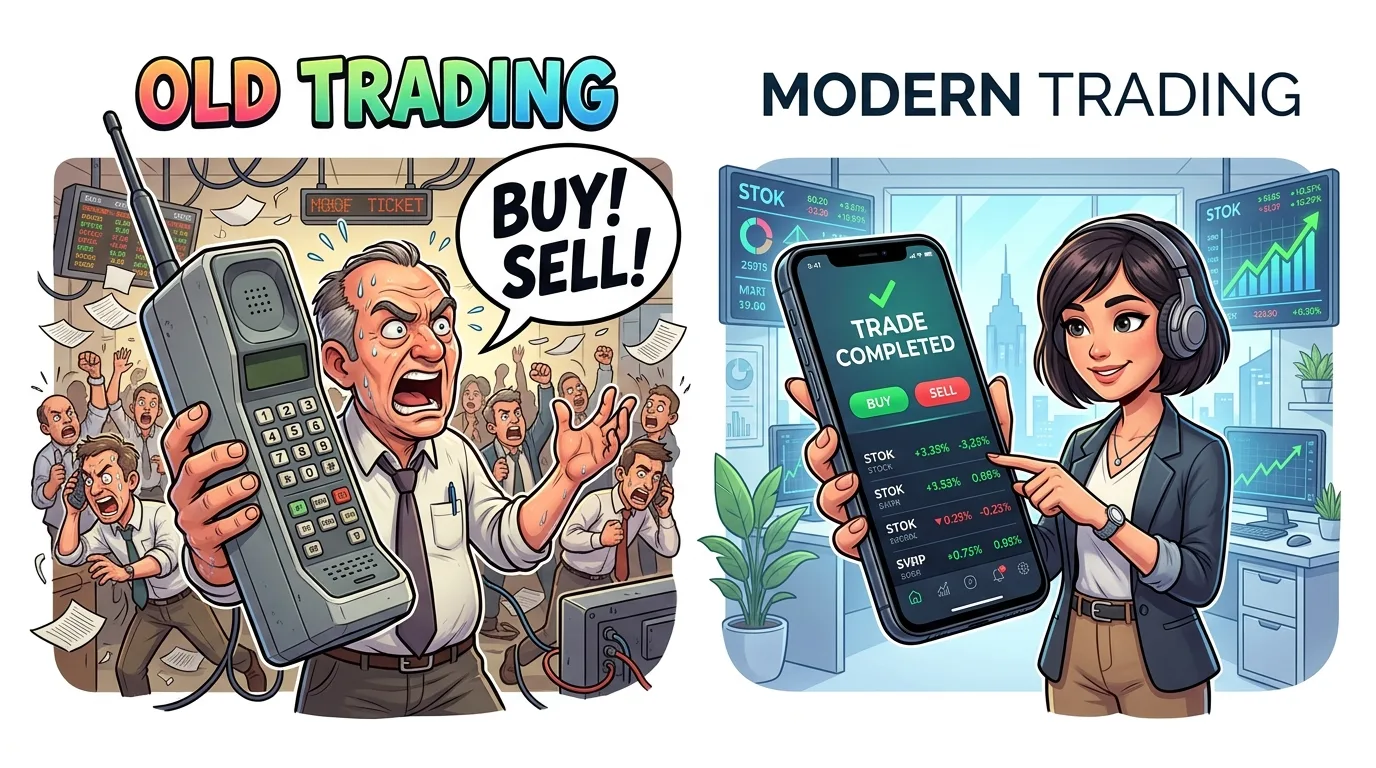
“Your first job isn't to trade, it's to protect your capital from sharks.”
You'll be bombarded with signals, indicators, and "secret strategies." Ignore 99% of it. Your foundation should be price action and a few core concepts.
Start with the major pairs like EUR/USD. They're the most liquid. Learn what support and resistance are. That's where price tends to bounce or break. My first profitable month came from simply buying near support and selling near resistance on the GBP/USD chart.
A Simple Strategy to Practice
Here's what I used on demo:
- Timeframe: 1-hour chart.
- Tool: Just horizontal lines to mark clear support/resistance.
- Rule: Wait for price to touch a level, then look for a confirming candle (like a pin bar or a strong engulfing candle) closing away from the level.
- Enter: On the next candle's open.
- Stop Loss: Just beyond the support/resistance level.
It's simple. It forces you to be patient. I still use this framework, now combined with tools like the RSI indicator for extra confirmation.
The Indicator Trap
I once had 14 indicators on my screen. It was a colorful, blinking mess that told me nothing. Pick one or two oscillators (like RSI or MACD) and one trend-following tool. Master them. More tools just mean more confusion.

Example: On a demo trade, I bought EUR/USD at 1.0850 after a bounce off support. My stop was at 1.0820 (30 pips risk). My target was 1.0920 (70 pips reward). That's a risk-to-reward ratio of about 1:2.3. I lost that trade. But because my risk was defined, I knew the cost upfront: a $30 loss on a $10,000 position. No surprises.

💡 विंस्टन की सलाह
Your first profitable system will be boring. If it feels exciting, you're probably gambling.

This is the only reason I'm still trading. You can be wrong 60% of the time and still be profitable if you manage risk. Here's the non-negotiable rule: Never risk more than 1-2% of your account on a single trade.
Let me show you why. My first major loss was on Gold (XAU/USD). I was confident. I put 15% of my ₦300,000 account on one trade. A sudden news spike went against me. I watched in horror as I lost ₦45,000 in minutes. I was emotionally destroyed for weeks.
How to Calculate Your Position Size
Let's say your account is ₦100,000. You decide to risk 1% per trade = ₦1,000. You find a trade on USD/NGN? No. Trade the majors. Let's say EUR/USD. Your analysis says place a stop loss 25 pips away. What is 1 pip worth? If you're trading a micro lot (1,000 units), 1 pip is roughly $0.10. At an exchange rate of ₦1450/$, that's about ₦145 per pip.
To risk only ₦1,000: ₦1,000 / ₦145 per pip = ~6.9 pips. But your stop is 25 pips away! This means your position is too big. You need to trade a smaller size so that a 25-pip loss equals ₦1,000.
Do this manually every time, or use a position size calculator. It's boring math, but it's the math that keeps you in the game. This discipline prevents a margin call.
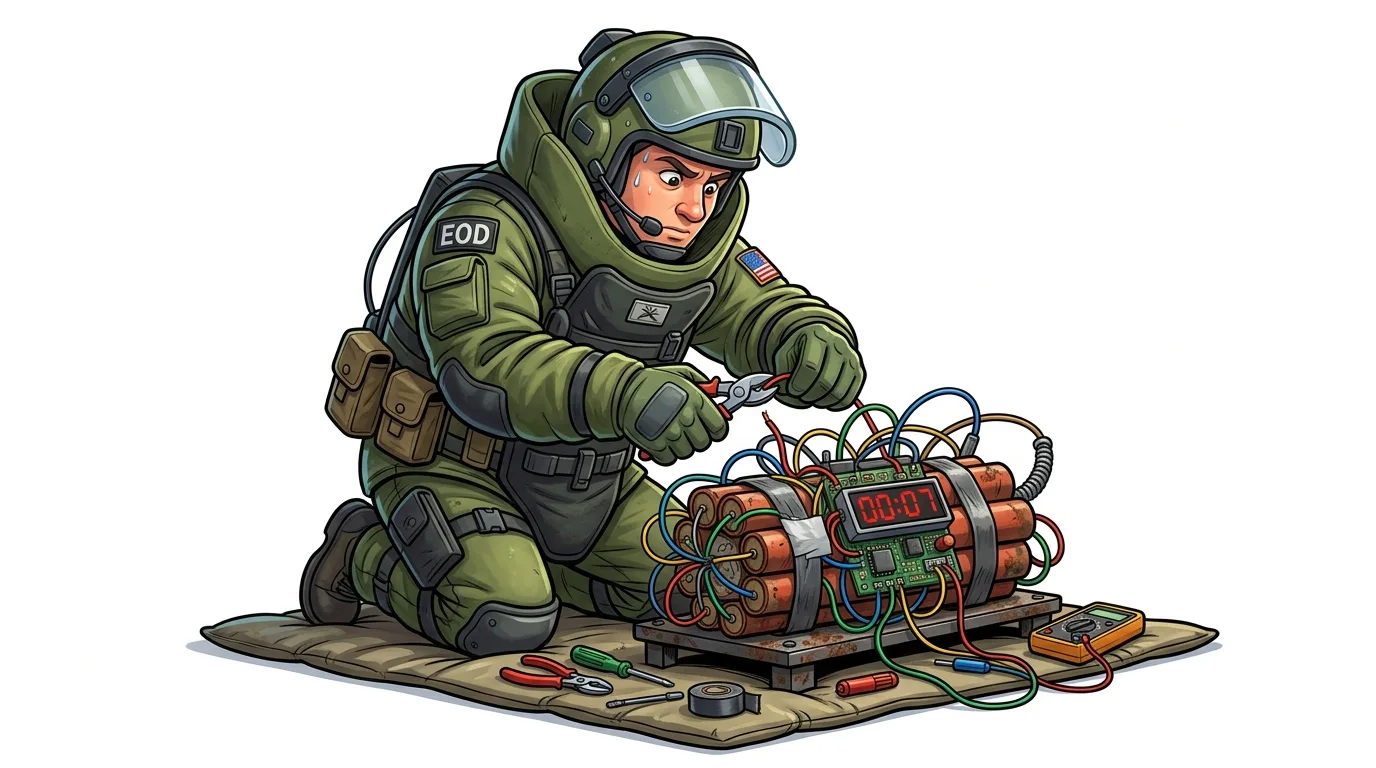
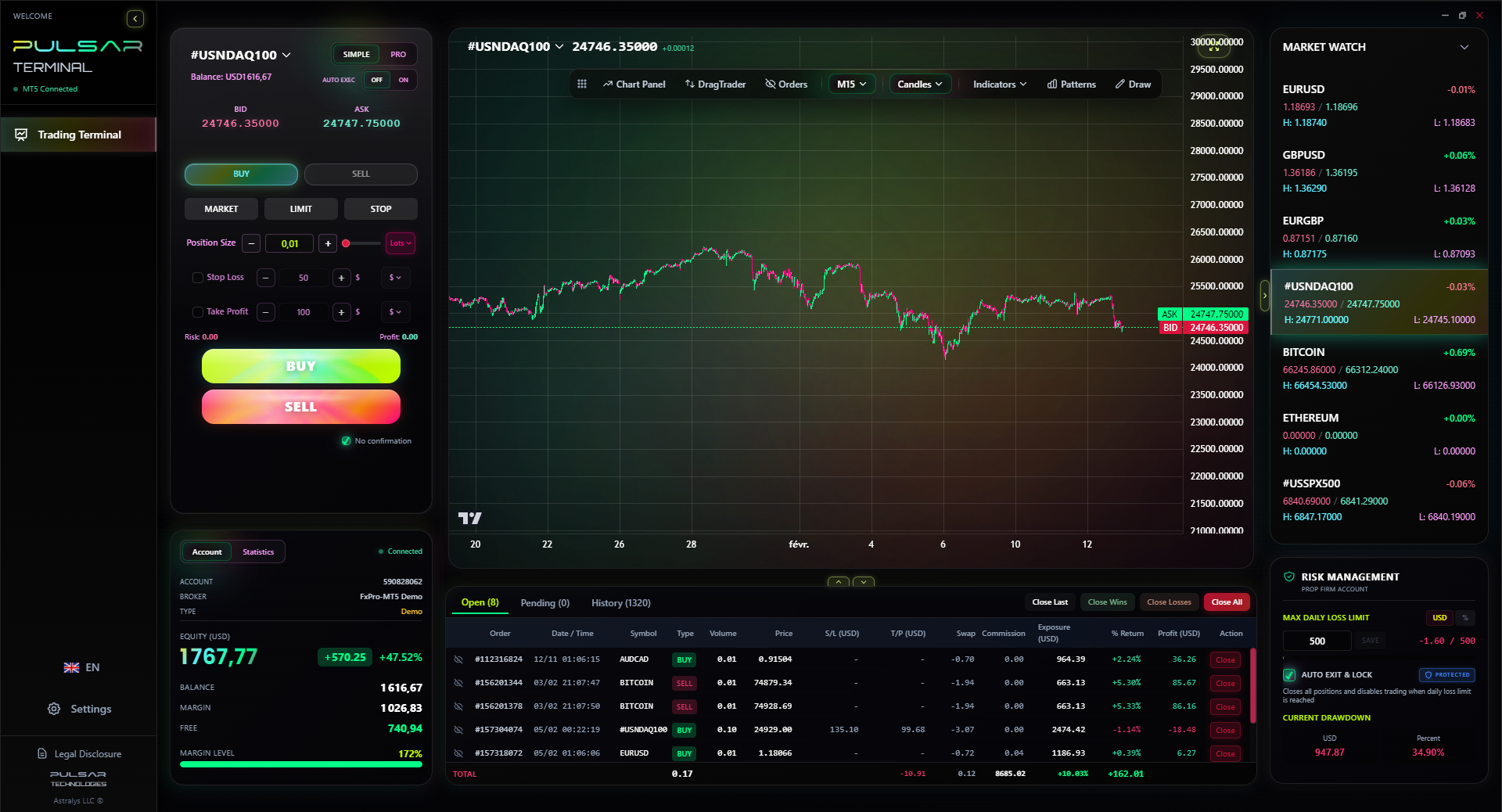
Managing multiple take-profit levels and a trailing stop manually is stressful, but tools like Pulsar Terminal automate it directly on your MT5 chart.
“A losing trade is not a failure. It's a cost of doing business.”
This is the practical headache. International brokers typically don't accept direct naira deposits. You'll fund in USD, EUR, or GBP.
Common Methods:
- Cryptocurrency (USDT): Fast, increasingly common. You buy USDT from a local P2P platform, send to broker's crypto wallet.
- Bank Card (Visa/Mastercard): Direct but subject to your bank's forex limits and charges.
- Bank Transfer: Can be slow and expensive with intermediary bank fees.
I use crypto for 90% of my transactions now. It's the fastest. When you profit and want to withdraw, the broker sends USDT back to your wallet, and you sell it on the P2P market for naira. It sounds complex, but it's smoother than waiting 7 business days for a wire that might get flagged.
Warning: Always do a small test withdrawal first. Send back $10 or ₦10,000 equivalent before you try moving large profits. Confirm the entire chain works. I didn't once, and a broker's "processing delay" held up ₦250,000 for a month.
Our environment trains us for volatility, but also for impatience. The 'quick flip' mentality will kill your account. You must cultivate discipline.
Embrace the Loss: A losing trade is not a failure. It's a cost of doing business. My journal has pages of losses. Each one taught me more than a win. The goal is not to be right, it's to be profitable over a series of trades.
Avoid Revenge Trading: You lose a trade. You're angry. You jump right back in with a bigger size to 'make it back.' This is how accounts go to zero. I've done it. After a loss, I now have a rule: shut down the platform for the rest of the day. Go outside.
Patience is a Strategy: The market will always be there tomorrow. Some of my best weeks come from taking only 2 or 3 high-quality setups, not 20 rushed ones. This is especially true for styles like swing trading, where you hold for days.
Your mindset is your edge. The charts are the same for everyone in London, Lagos, and Sydney. Your psychology is what you control.
💡 विंस्टन की सलाह
The market's job is to find the price that hurts the most people. Don't be in the crowd.

“High use is the fastest route to a margin call.”
You've demo traded for months. You're consistently following your plan. Now it's time. The shift is psychological. Real money triggers fear and greed in ways demo can't.
My First Live Trade Plan:
- Account Size: ₦50,000.
- Risk per Trade: 1% = ₦500.
- Instrument: EUR/USD only.
- Goal: Not to make profit. Goal: Execute 10 trades with perfect risk management.
My hands were sweating on the first click. I took a small buy trade. It went 15 pips in my favor, then reversed and hit my stop loss. I lost ₦500. My instinct was to trade again immediately. I didn't. I closed the platform. The next day, I felt proud. I followed the plan. The loss was planned.
Scale up slowly. When you double your demo-starting capital consistently, consider adding to your live account. This is a marathon. Your first year is about survival, not Lamborghinis.
Let me save you some pain and money.
1. The 'Mentor' Scam: Someone wants ₦200,000 to teach you a 'secret.' They'll show you fake track records. Real education is cheap or free (like this guide). Pay for a reputable course if you must, but never for 'signals.'
2. Trading During Illiquid Times: The market is slow between 5 PM and 1 AM Nigerian time (after US close, before Asia open). Spreads widen. Avoid trading then unless you know what you're doing.
3. Ignoring Economic News: The NFP (Non-Farm Payrolls) report from the US can wipe out your account in seconds if you're on the wrong side. Use an economic calendar. I got caught in a GBP volatility spike once and learned my lesson.
4. Overleveraging: Brokers might offer 1:1000 use. This is a trap. use amplifies losses just as fast as profits. I never use more than 1:30, even on small accounts. High use is the fastest route to a margin call.
5. Not Keeping a Journal: Write down every trade. Entry, exit, reason, emotion. Review it weekly. My journal showed me I was terrible at trading on Mondays. So I stopped. Your journal is your best teacher.
FAQ
Q1How much money do I need to start forex trading in Nigeria?
You can start with as little as ₦20,000-₦50,000 on a micro account. But view this as tuition, not investment capital. It's enough to learn the process with real money but small enough that losing it won't ruin you. The focus should be on learning, not the amount.
Q2Is forex trading legal in Nigeria?
Trading forex with international, regulated brokers is a legal activity for individuals. However, the Central Bank of Nigeria (CBN) has restrictions on banks facilitating payments for margin forex trading. This is why traders use methods like cryptocurrency (USDT) to fund their international trading accounts, bypassing the banking restrictions.
Q3What is the best time to trade forex in Nigeria?
The most active and liquid sessions overlap from 9 AM to 12 PM Nigerian time (when London opens) and from 2 PM to 5 PM Nigerian time (when both London and New York are active). This is when spreads are tightest and moves are most reliable. Avoid the late-night 'dead zone.'
Q4Can I make a living from forex trading in Nigeria?
Eventually, yes, but it's incredibly difficult and should not be the initial goal. Your first year should be about education and capital preservation. Aim for consistent, small gains. Trying to make a living from day one leads to excessive risk-taking and almost guaranteed failure. Build your skill and account size slowly.
Q5How do I choose a forex broker in Nigeria?
Prioritize regulation (FCA, ASIC, CySEC), reliable deposit/withdrawal methods for Nigerians (like crypto processing), and good customer support. Test their withdrawal process with a small amount first. Read detailed reviews from trusted sources, like our XM review or Pepperstone review, to see how they handle Nigerian clients specifically.
Q6Why do 90% of forex traders fail?
They fail because they ignore risk management, trade with emotion, use excessive use, and jump in without a plan or education. They treat it like gambling, not a skilled profession. The 10% who succeed treat it like a business: they have a strategy, manage risk ruthlessly, and keep their psychology in check.
प्रो. विंस्टन का पाठ
:
- ✓Risk only 1-2% per trade. Always.
- ✓Demo trade for 2+ months minimum.
- ✓Use crypto (USDT) for reliable funding.
- ✓A trading journal is non-negotiable.
यह लेख कितना उपयोगी था?
रेट करने के लिए स्टार पर क्लिक करें
साप्ताहिक ट्रेडिंग विश्लेषण
मुफ़्त साप्ताहिक विश्लेषण और रणनीतियाँ। कोई स्पैम नहीं।
लेखक के बारे में
Olumide Adeyemi
पश्चिम अफ्रीकी ट्रेडिंग अग्रणी
नाइजीरिया के सबसे सक्रिय फॉरेक्स ट्रेडिंग एजुकेटर्स में से एक। लागोस से 8 साल का ट्रेडिंग अनुभव। अफ्रीकी ट्रेडर्स के लिए लो-कैपिटल स्ट्रैटेजीज और प्रॉप फर्म चैलेंजेज में विशेषज्ञ।
टिप्पणियाँ
आपको यह भी पसंद आ सकता है

Cara Trading Forex Sukses: 7 Prinsip dari Trader Profesional
Cara trading forex sukses dengan 7 prinsip trader pro: manajemen modal, disiplin, journal trading, backtest. Data nyata, bukan janji profit palsu.
Jam Trading Forex Terbaik untuk Trader Indonesia: Panduan Lengkap dengan Tabel Waktu
Panduan jam trading forex untuk trader Indonesia. Tabel 4 sesi dunia, jam emas 20:00-00:00, sesi mana yang harus dihindari. Data akurat + tips dari trader berpengalaman.
Top 5 Sàn Forex Uy Tín Nhất 2026: Review Jujur dari Trader Indonesia
Top 5 sàn forex uy tín 2026 untuk trader Indonesia. Review jujur: spread, deposit, withdraw, dukungan lokal. Exness, XM, IC Markets & lebih.
All these calculators are built into Pulsar Terminal with real-time data from your MT5 account. One-click position sizing, automatic risk management, and instant calculations.
