


Here's a number that changed my perspective: the average pass rate for a funded trader challenge is under 15%.
James Mitchell
वरिष्ठ ट्रेडिंग विश्लेषक
☕ 11 मिनट पढ़ने
आप क्या सीखेंगे:
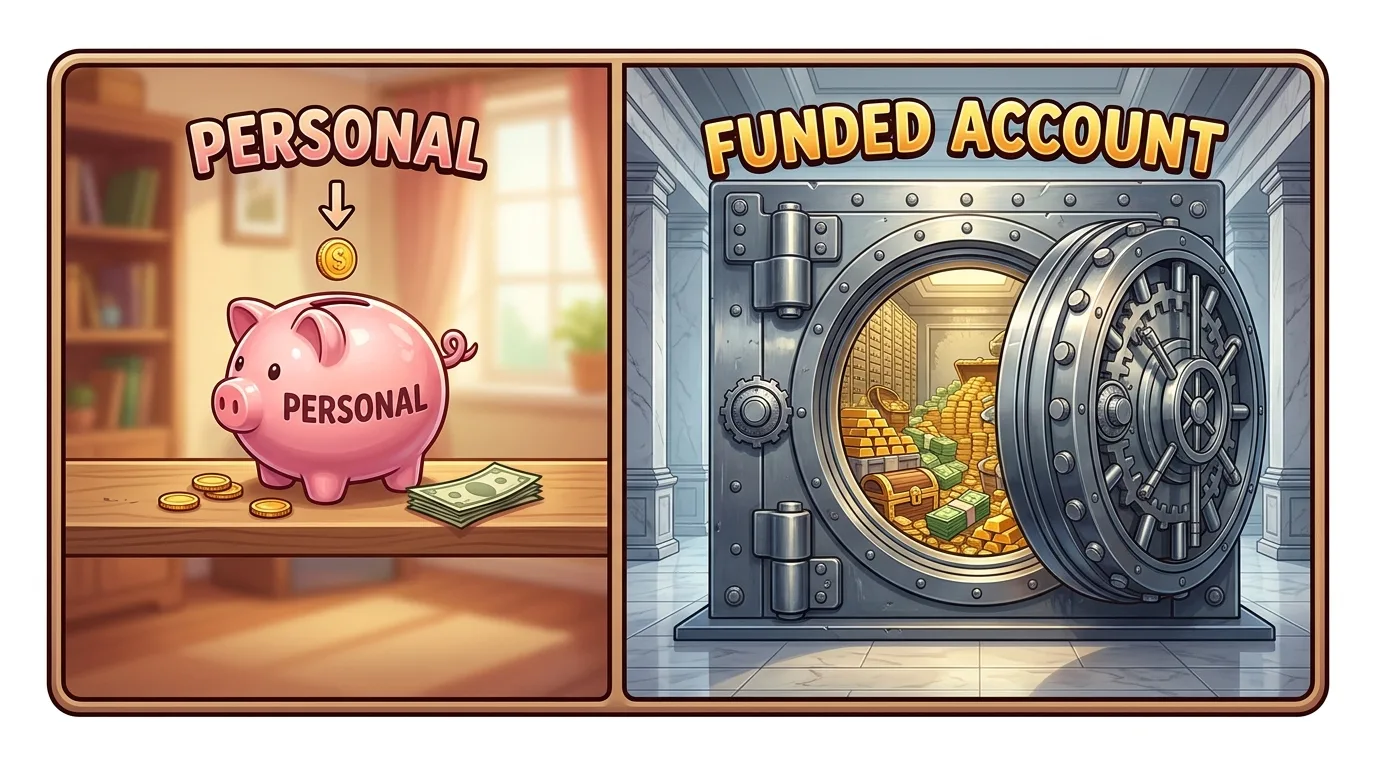
Here's a number that changed my perspective: the average pass rate for a funded trader challenge is under 15%. That means for every 100 hopefuls who pay for an evaluation, 85 fail. The promise of trading with a firm's capital is powerful, but the reality is a minefield of rules, psychology, and fine print. I've passed evaluations, blown accounts, and learned what separates the real opportunities from the marketing traps. This isn't just a list of prop trading firms, it's a breakdown of what it actually takes to get funded and keep the money.
Let's clear this up first. A proprietary trading firm, or prop firm, gives you capital to trade in exchange for a split of the profits. You're not a customer depositing your own cash. You're a trader using their money, which is a massive psychological shift.
But here's the modern twist. Most firms on this list aren't the old-school shops with desks in New York. They're online platforms where you pay for a "challenge" or "evaluation." Pass their specific rules (profit target, max daily loss, etc.), and you get a simulated funded account. Make profits there, and you graduate to a live account with a real profit split.
It's a performance filter. They're not really betting on you initially, they're selling you the test. The real risk for them starts once you're funded and profitable. That's why their rules are so strict. I learned this the hard way early on, treating the evaluation like my own personal account. Big mistake. You have to trade their system, not yours.

Warning: The evaluation phase is a product. You are the customer buying that test. Only after you pass and start generating real profits for them does the relationship truly change. Never forget that dynamic.
My first attempt was with a firm that had a crazy 12% profit target in 30 days. I got greedy, over-traded, and hit the max loss rule on day 10. That $250 challenge fee was an expensive lesson in reading the fine print before you click 'buy.'
When you look at a list of prop trading firms, you can't just look at the profit split. That's the shiny object. The real deal-breakers are in the rulebook. Ignore these, and you'll fail even if your strategy is solid.
Profit Targets & Drawdowns
This is the core. What percentage do you need to gain in the evaluation? 8%? 10%? More? Then, what's the maximum drawdown allowed? Is it based on your starting balance (initial balance) or your highest balance (trailing drawdown)? Trailing is much tougher. I vastly prefer firms using initial balance drawdown, as it gives you room to breathe after a good start.
Daily Loss Limits
This is the killer for most new traders. A 5% daily loss limit sounds huge until you have one bad trade that gaps against you. It forces extreme discipline. Some firms have no daily limit, only an overall max drawdown, which I find allows for better recovery.
Trading Styles & Restrictions
Can you hold trades over the weekend? Can you trade news events? What about scalping? Some firms ban holding through major news or have minimum trade durations. If you're a scalping strategy trader, this is the first thing you check.
Scaling Plans & Payouts
This is what makes it worthwhile. How often can you get paid? Weekly? Monthly? What's the process to withdraw? More importantly, how do they scale your account? After making $X profit, will they increase your capital? The best firms have clear, automatic scaling plans.
I built a simple spreadsheet to compare these rules side-by-side. It saved me from choosing a firm whose 8% profit target was completely invalidated by a brutal 4% daily loss limit. Always run your own numbers through a position size calculator against their specific rules before buying a challenge.

💡 विंस्टन की सलाह
The first rule of prop firm club: trade the rules, not the market. Your strategy must conform to their limits, not the other way around.

“Passing the evaluation is just the entrance exam. The real test is managing a funded account with real money on the line.”
Based on my experience and the consensus among traders I trust, here's a look at some of the major players. Remember, the 'best' firm depends entirely on your trading style.
| Firm Name | Key Evaluation Model | Max Drawdown Type | Notable Rule / Feature | My Experience / Note |
|---|---|---|---|---|
| FTMO | Two-phase challenge (Profit Target + Verification) | Trailing (from highest balance) | 1-step scaling plan, 90/10 profit split. | The industry benchmark. Their trailing drawdown is strict. I passed a $100k challenge here, but the psychological pressure of the trailing line was intense. |
| The5%ers | Bootcamp model (get funded faster with smaller targets) | Initial Balance | "High-Stakes" plan for aggressive scaling, can hold over weekend. | Better for swing trading due to rules. Their model is more gradual, which I liked for building consistency. |
| Topstep | Trading Combine® (known for futures) | Trailing (on account balance) | Focus on futures (ES, NQ, etc.), "Funded Account" has no daily loss limit. | I used them for index futures. The platform is solid, and moving to the funded account where the daily limit disappears is a game-changer for psychology. |
| Earn2Trade | Gauntlet Mini™ & Gauntlet™ | Trailing (on initial balance) | Path to a live brokerage license (Hedge Fund Trader program). | More than just a prop firm, it's an educational path. The rules are clear, and the license track is unique. |
| FundedNext | One-step & Two-step challenges | Choice of Trailing or Static (Initial) Drawdown | Offers "Express" funding with higher fees, profit split starts at 80/90%. | Gaining popularity for offering a static drawdown option. This flexibility is a huge plus for traders who hate trailing thresholds. |

Pro Tip: Don't get hypnotized by the 90/10 split. A firm with an 80/20 split but easier, clearer rules and faster payouts is almost always the better choice. Consistency and accessibility of your profits trump an extra 10%.
There are dozens more (Apex Trader Funding, True Forex Funds, etc.). The key is to match their structure to how you actually trade. A firm perfect for a slow EUR/USD guide swing trader might be a prison for a gold XAU/USD guide scalper.
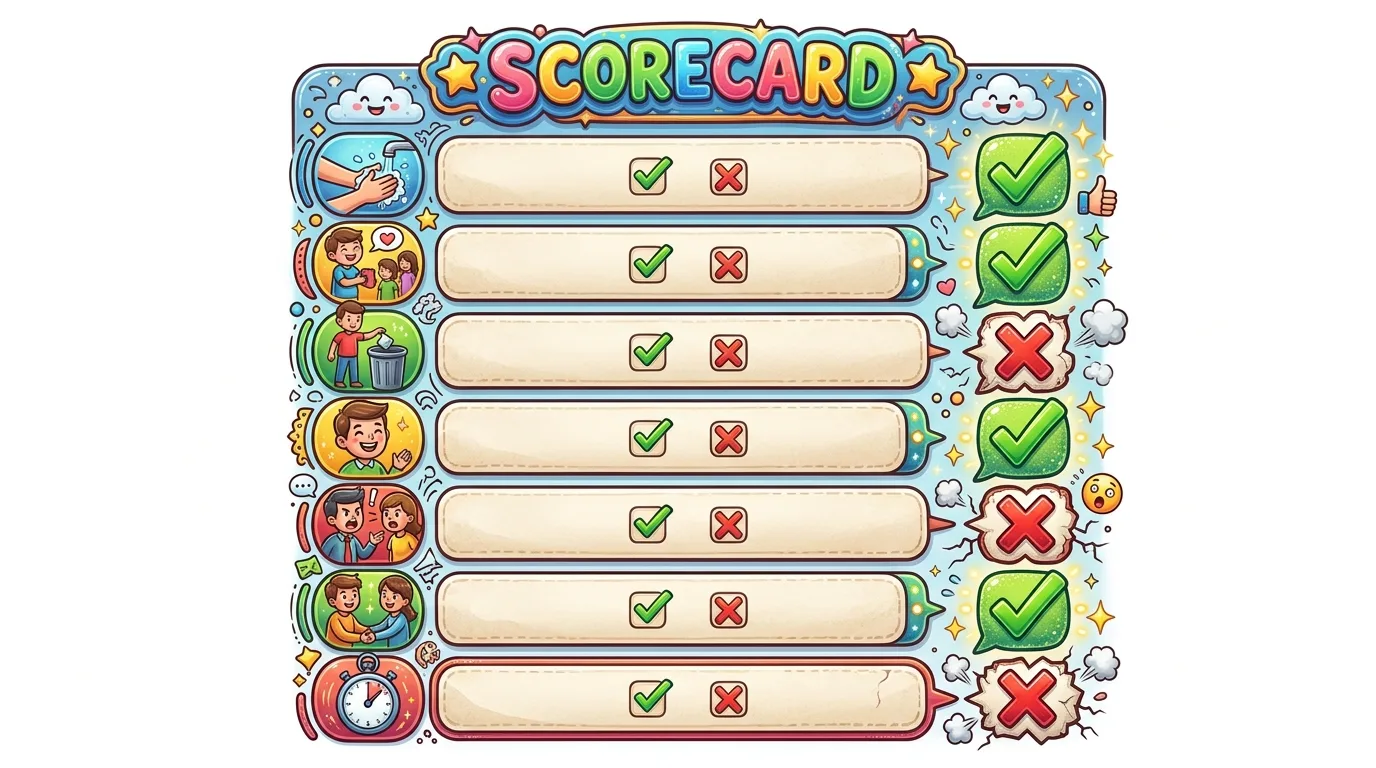
I want to tell you about a win that felt like a loss. I passed a $200k challenge with a well-known firm. The profit target was 10%, and I nailed it in 14 trading days. Felt incredible. Got my funded account.
Month one in the live account: I made $8,200 in profits. My split was 80%, so a $6,560 payout was coming. I got cocky. The discipline from the challenge evaporated. I started increasing my lot sizes, chasing trades outside my plan.
Month two: I gave back $4,300 of that profit. Still up overall, but the drawdown triggered a warning from the firm. The pressure mounted. In a single week, trying to 'get back to my high,' I took three oversized trades on NFP news spikes. All three lost. I breached the max drawdown rule. Account terminated.
I went from a $6,560 payout to zero. The lost future earnings? Let's not even go there. The $12,000 lesson? Passing the challenge is just the entrance exam. The real test is managing a funded account with real money on the line. The psychology is different. You need even more discipline, not less. I didn't use a trailing stop or set proper breakeven orders on those fateful trades. I was manually managing everything, and emotion took over.
Now, I use tools to automate my risk rules. It's the only way I can stick to the plan when real money is at stake.
💡 विंस्टन की सलाह
Choose a firm whose worst rule you can live with, not the one whose best rule you're excited about. You'll be tested on the former.

“A firm with an 80/20 split but easier, clearer rules is almost always better than one with a 90/10 split and a minefield of restrictions.”
So, with this list of prop trading firms, how do you pick? Follow this checklist.
- Match the Rules to Your Strategy. This is non-negotiable. Are you a scalper? Ensure no minimum time limits. Swing trader? Confirm you can hold over weekends. If you trade volatile instruments, understand how their drawdown is calculated on every pip definition move.
- Start Small. Your ego wants the $200k challenge. Your bank account and sanity should want the $10k or $25k challenge. The rules are often identical, but the fee is lower. Prove you can pass and get paid on a small account first. The scaling plans will get you to the big numbers if you're good.
- Read the Payout Terms. How long does it take to get your money? Is it via wire, crypto, PayPal? Are there any fees? A firm with weekly payouts via crypto might be better for you than one with monthly bank wires that take 5 days.
- Research the Broker/Platform. Most firms use a specific broker like Exness review, IC Markets review, or XM review. Check the spreads and execution on the instruments you trade. A firm might be great, but if their broker has a 3-pip spread definition on EURUSD during your session, your scalping strategy is dead on arrival.
- Customer Support. Send them a pre-sales question. See how long they take to respond. If they're slow before they have your money, imagine how slow they'll be when you have a payout issue.
I made the mistake of skipping step 4 once. The broker's platform was clunky, and slippage during news was horrific. I passed the challenge, but knew I couldn't trade seriously on that platform. Wasted fee.

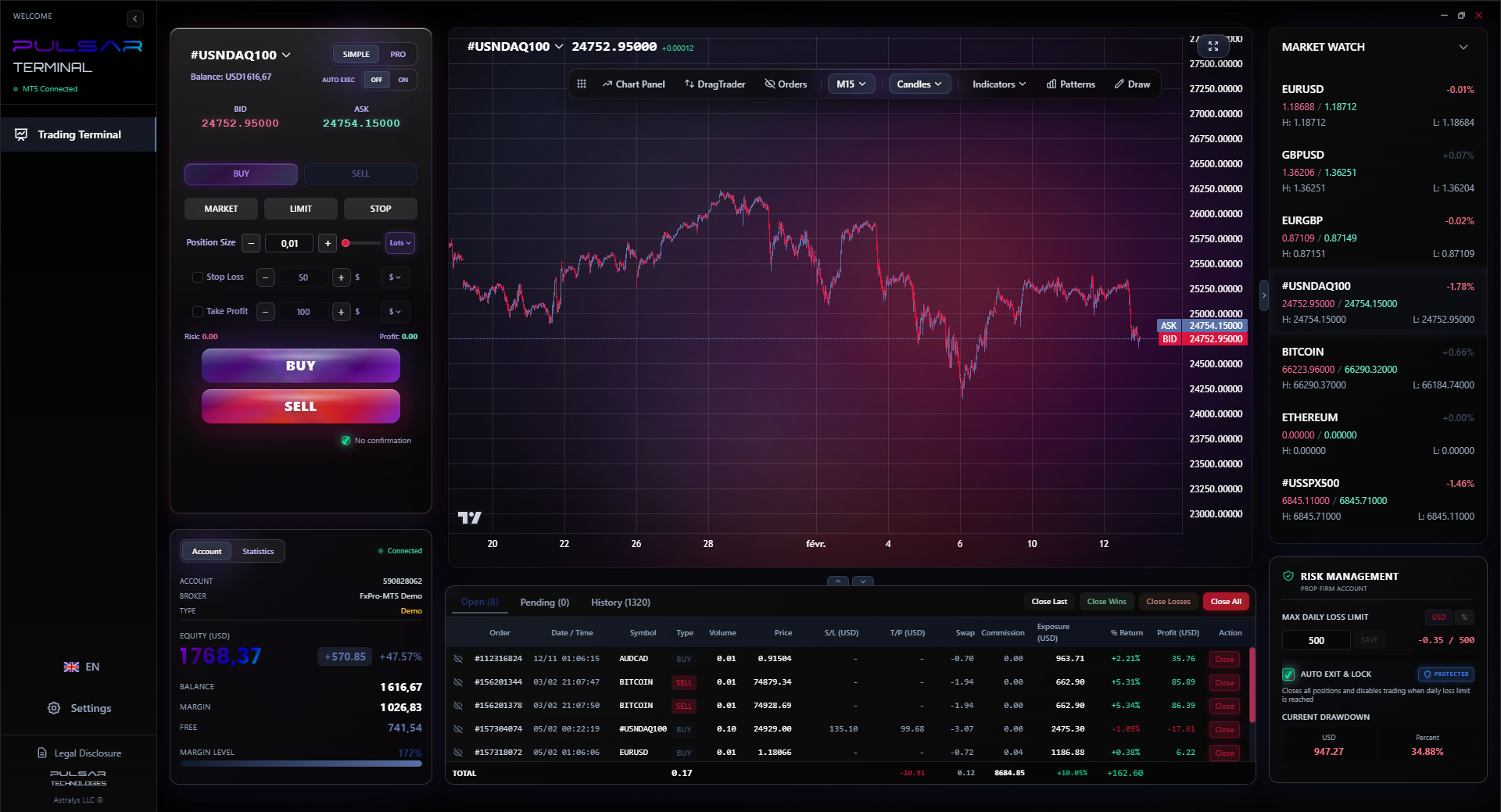
Managing the complex daily loss and drawdown rules of a prop firm is stressful, which is why I use Pulsar Terminal's prop firm rule tracker to automate it all directly on my MT5 chart.
Forget about making 10% in a week. Your only goal is survival. Here's the slow-and-steady approach that works.
Phase 1: The Grind (First 50-70% of Target) Trade at half your normal risk. Your aim is to grind out small, consistent wins. Avoid news. Stick to your highest-probability setup. The goal is to build a buffer above the starting line, putting distance between you and the max drawdown. Use indicators like the RSI indicator or MACD indicator for confluence, but keep it simple. This is about process, not home runs.
Phase 2: The Climb (Final 30-50% of Target) Do not increase your risk. Keep trading the same lot size. The buffer you've built is your safety net. The worst thing you can do is get to 8% on a $100k target and then start trading 5-lot positions to 'finish fast.' That's how you trigger a margin call scenario on your drawdown. Be boring.
Phase 3: The Finish Line (Last Few Percent) Consider reducing your risk even further. If you need 2% more, getting it with ten 0.2% wins is safer than one 2% gamble. Once you hit the target, STOP. Seriously. Log out. There's no bonus for finishing early.

Example: On a $50k account with a 10% ($5k) target and a 5% ($2,500) max daily loss.
- Phase 1 Grind: Aim for $50-$100 days. Risk 0.5% ($250) per trade. Build to $3,500.
- Phase 2 Climb: Same risk. Grind to $4,800.
- Phase 3 Finish: Maybe drop risk to 0.25% ($125). Get the final $200 over a couple of trades.
This method isn't sexy. But it's repeatable. And in this game, repeatability is everything.
💡 विंस्टन की सलाह
Your performance in a funded account is the only metric that matters. Passing the challenge is just your admission ticket. Don't celebrate the ticket; focus on the show.
“Your only goal in the challenge is survival. Be boring, be consistent, and log out the second you hit the target.”
Not every firm is legitimate. Here are the warning signs that should make you close the tab immediately.
- Guaranteed Payouts or 'Easy' Money: This is trading. Nothing is guaranteed. Any firm that suggests otherwise is lying.
- Extremely High Profit Splits (95/5, 100/0): This is often a marketing gimmick. Check the other rules - they're usually impossible (like a 2% max drawdown). The economics don't work for a real firm.
- Poor or Vague Communication: If their FAQ is sparse and support emails go unanswered, imagine trying to resolve a missing $5,000 payout with them.
- No Clear Data on Funded Traders: Real firms show (carefully) their success stories. If you can't find a single video or interview with a funded trader from the last year, be suspicious.
- Pressure to Upgrade or Re-enter: If you fail and are immediately bombarded with "50% off your next challenge!" emails, their focus is on selling challenges, not developing traders.
I got burned by a now-defunct firm that offered a 100% profit split. Sounded too good to be true. It was. The platform was rigged with constant requotes, and their "max loss" rule was triggered by a floating loss, not just closed trades. I lost the challenge fee and learned a cheap lesson about due diligence. Always check independent reviews on sites like Pepperstone review pages or trader forums, not just the firm's own testimonials.
FAQ
Q1What is the most common reason traders fail prop firm challenges?
It's not a lack of strategy. It's a lack of discipline around the rules, especially the daily loss limit. Traders have one or two bad trades, panic, and then revenge trade, blowing through the daily max in a single session. The challenge tests your risk management, not your genius.
Q2Can I trade for multiple prop firms at once?
Usually, yes. Most firms have no exclusivity clause. However, I'd strongly advise against it until you're consistently profitable and funded with one. Managing different rule sets and psychological pressure across multiple accounts is a recipe for breaking all of them. Master one first.
Q3Are prop firm challenges considered gambling?
By you? They shouldn't be. But the structure - paying a fee for a chance to win a bigger prize - has similarities. The key difference is that skill and a defined edge determine your success in trading, not pure chance. If you're treating it like a lottery ticket, you've already lost.
Q4How much money do I need to start with a prop firm?
Just the challenge fee, which can range from $50 for a very small account to over $1,000 for large six-figure evaluations. You do not need to deposit trading capital. Your own trading capital is only for funding your personal accounts outside the prop firm world.
Q5What happens if I hit the profit target very quickly?
You pass that phase. Don't get cute. I've seen traders hit the target in 3 days, keep trading to 'build a bigger buffer,' and then give it all back. The goal is to hit the target and stop. There is no prize for speed.
Q6Do prop firms teach you how to trade?
Some offer educational materials, but that's not their primary business. You are expected to come with a strategy. They provide the capital and rules framework. Think of them as a talent scout, not a coaching school. You need to already know how to play the game.
प्रो. विंस्टन का पाठ
:
- ✓Compare drawdown type (trailing vs. static) first, profit split last.
- ✓Start with the smallest, cheapest challenge to prove your process.
- ✓The daily loss limit is the most failed rule; plan every trade around it.
- ✓Automate your risk rules to remove emotion from funded account management.
यह लेख कितना उपयोगी था?
रेट करने के लिए स्टार पर क्लिक करें
साप्ताहिक ट्रेडिंग विश्लेषण
मुफ़्त साप्ताहिक विश्लेषण और रणनीतियाँ। कोई स्पैम नहीं।
लेखक के बारे में
James Mitchell
वरिष्ठ ट्रेडिंग विश्लेषक
न्यूयॉर्क में स्थित, 9 साल से अधिक का ट्रेडिंग अनुभव। प्रमुख USD पेयर्स, प्रॉप फर्म चैलेंजेज और अमेरिकी नियामक परिदृश्य पर फोकस।
टिप्पणियाँ
आपको यह भी पसंद आ सकता है

Cara Trading Forex Sukses: 7 Prinsip dari Trader Profesional
Cara trading forex sukses dengan 7 prinsip trader pro: manajemen modal, disiplin, journal trading, backtest. Data nyata, bukan janji profit palsu.
Jam Trading Forex Terbaik untuk Trader Indonesia: Panduan Lengkap dengan Tabel Waktu
Panduan jam trading forex untuk trader Indonesia. Tabel 4 sesi dunia, jam emas 20:00-00:00, sesi mana yang harus dihindari. Data akurat + tips dari trader berpengalaman.
Top 5 Sàn Forex Uy Tín Nhất 2026: Review Jujur dari Trader Indonesia
Top 5 sàn forex uy tín 2026 untuk trader Indonesia. Review jujur: spread, deposit, withdraw, dukungan lokal. Exness, XM, IC Markets & lebih.
All these calculators are built into Pulsar Terminal with real-time data from your MT5 account. One-click position sizing, automatic risk management, and instant calculations.
