


It was May 2022, and LUNA was in freefall.

Olumide Adeyemi
Pioniere del Trading in Africa Occidentale ·  Nigeria
☕ 9 min di lettura
Cosa imparerai:
- 1The Core Difference: What Are You Actually Trading?
- 2Volatility & Risk: From Gentle Waves to Tsunamis
- 3The Hidden Costs: Spreads, Commissions, and Withdrawal Headaches
- 4Which Market Suits Your Trading Style?
- 5The Regulatory Minefield: Who's Got Your Back?
- 6My Honest Take: A Path Forward for Nigerian Traders
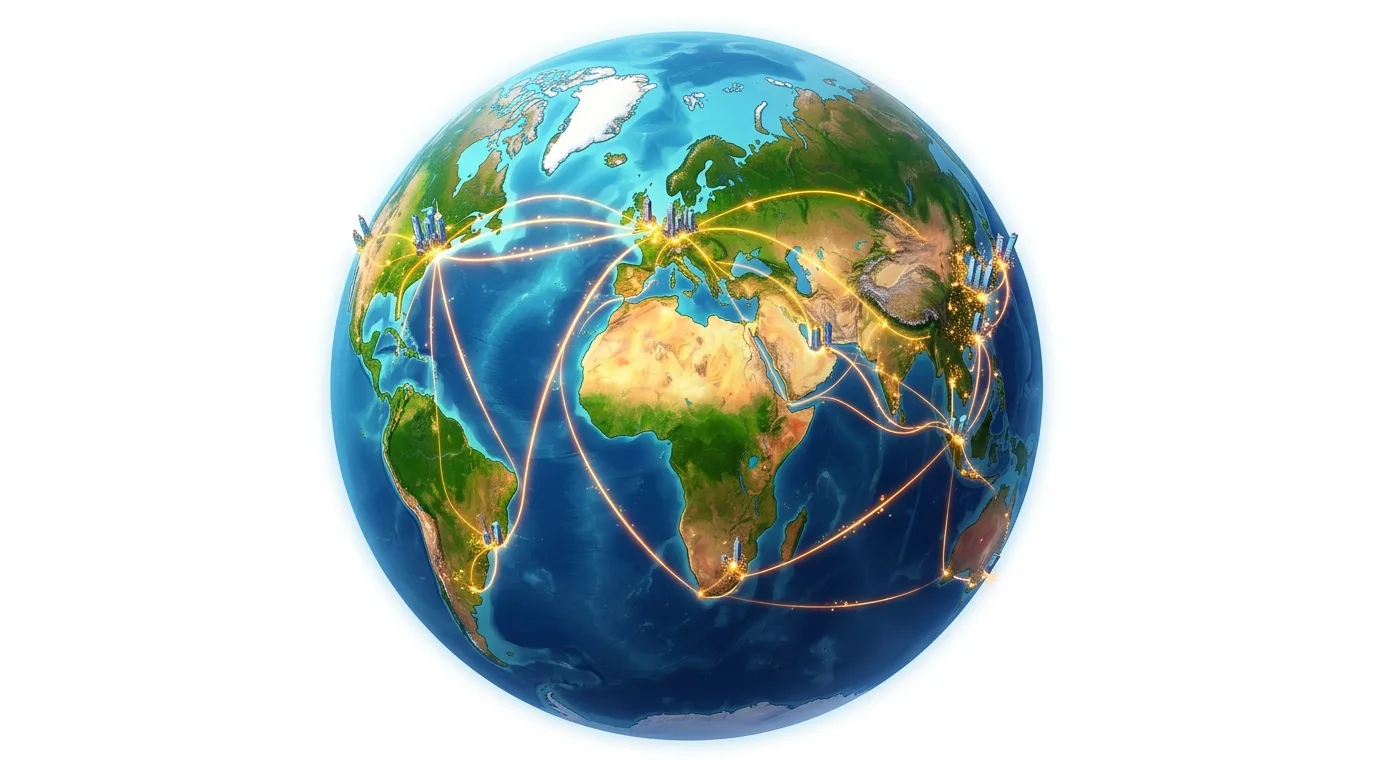
It was May 2022, and LUNA was in freefall. My screen showed a price of $0.0000012. A student of mine had ignored every rule, putting a month's salary into a 'sure thing' based on a Twitter thread. He was wiped out. That same week, another student was quietly grinding out 15-pip moves on EUR/USD, building his account steadily. Two markets, two completely different outcomes. The choice between cryptocurrency and forex isn't just about assets, it's about what kind of trader you are and what you can stomach. Let's get real about which one might work for you here in Nigeria.
First, let's strip away the hype. Forex, short for foreign exchange, is you trading the value of one government-backed currency against another. You're betting the Naira will weaken against the Dollar (USD/NGN) or that the Euro will strengthen against the Pound (EUR/GBP). It's the largest financial market in the world, open 24 hours a day from Monday to Friday. Liquidity is insane, which generally means tighter spreads and less chance of a wild, inexplicable price gap during active hours.
Cryptocurrency is a different beast. You're trading digital assets on decentralized networks. Some, like Bitcoin, act as digital gold. Others, like Ethereum, power smart contracts. And then there are the thousands of memecoins and speculative projects. The key here? No central bank backs it. Value is driven purely by adoption, speculation, sentiment, and, let's be honest, manipulation by large holders ('whales').
For you in Nigeria, access is the first hurdle. For forex, you'll need a broker like Exness or IC Markets that accepts Nigerian clients and offers decent Naira deposit options. For crypto, you're using local exchanges like Binance (though their P2P situation is tricky) or international platforms with crypto gateways. Your starting capital faces different frictions before it even hits the charts.
This is where your personality gets tested. If forex is a rough sea, cryptocurrency is a hurricane on that sea.
Forex Volatility
Forex pairs have typical daily ranges. A major pair like EUR/USD might move 70-100 pips on a busy day. Exotic pairs involving currencies like the Turkish Lira or South African Rand can be wilder. But it's generally predictable. Economic data (like US Non-Farm Payrolls) causes spikes, but these are scheduled. You can plan for them. A 2% daily move in a major forex pair is a big deal. Risk management, using a solid position size calculator, can feel more mathematical here.
Crypto Volatility
Crypto laughs at your 2% moves. It's not uncommon for a major coin like Bitcoin to swing 5-10% in a day. Altcoins? 20-50% daily moves are standard during hype cycles. I bought Solana (SOL) at $32 in late 2023 and sold at $120. That's a 275% gain. Sounds great, right? I also bought it at $210 in 2021 and watched it crash to $10. That's a 95% loss. The same asset. The volatility cuts both ways, brutally.

Warning: Crypto volatility isn't just about big numbers. It's about speed. A coin can dump 30% in 15 minutes because a whale sold or a negative tweet went viral. Your stop-loss might get skipped entirely in a 'flash crash.' Your stomach for this needs to be ironclad.
Forex lets you sleep. Crypto, if you have a decent-sized position, will have you checking your phone at 3 a.m. Which one sounds sustainable to you?

💡 Consiglio di Winston
If you can't explain your trade's setup in one sentence, you shouldn't be in it. 'Buying GBP/USD because it bounced off the daily support' works. 'Buying this coin because a YouTuber said it's going to the moon' does not.

“If forex is a rough sea, cryptocurrency is a hurricane on that sea.”
Your profit is what's left after all costs. They eat you alive if you ignore them.
| Cost Factor | Forex Trading | Cryptocurrency Trading |
|---|---|---|
| Primary Cost | The Spread (difference between buy/sell price) | Trading Fee (often a % of trade value) + Network Gas Fees |
| Typical Example | 0.6 pips on EUR/USD with a raw spread account | 0.1% maker/taker fee on an exchange + $5 Ethereum gas fee to move funds |
| Overnight Fees | Swap rates (can be positive or negative) | Usually none on spot trading |
| Naira Specific | Bank transfer fees, possible forex markup by broker | P2P platform premiums, crazy bank transfer delays/freezes |
Here's the Nigerian twist. Funding your forex broker often involves an international bank transfer. Your bank might charge 1-2% for the currency conversion, plus a flat fee. It's a pain. Crypto funding via P2P used to be seamless, but with the Central Bank's scrutiny, you now face premiums. You might buy USDT at ₦1,450/$ when the official rate is ₦1,250/$. That's a 16% loss before you even make a trade.
Withdrawal is the reverse headache. Getting money out of a forex broker to your Nigerian bank account can take days and attract more fees. Crypto withdrawals to your local bank via P2P are faster but come with the same premium risk and the constant worry of your account being flagged. There's no perfect answer, just different types of friction. A low spread on your forex platform means nothing if you lose 10% moving money in and out.
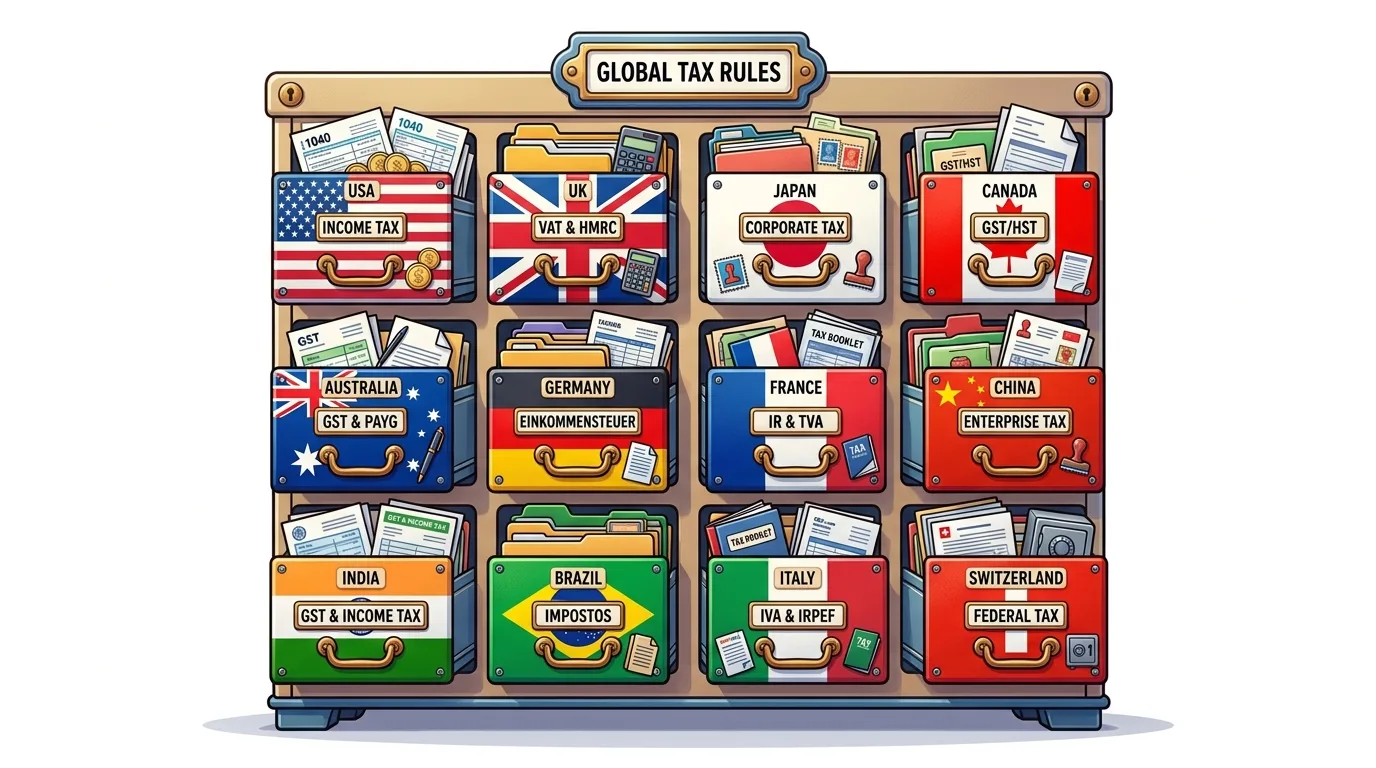
You can't force a style onto a market. The market decides.
Forex is king for short-term, technical trading. The high liquidity and lower volatility make it ideal for scalping and intraday trading. Price action on the 5-minute or 15-minute chart is relatively clean. Strategies based on support/resistance, or indicators like the RSI and MACD, have room to breathe. I've had years where 80% of my income came from just trading the London open on GBP pairs. It was boring, repetitive, and paid the bills. Swing trading over days or weeks is also very viable, riding broader economic trends.
Crypto is a playground for swing traders and degenerates. The massive trends can last for months. Buying Bitcoin after a major crash and holding for a year has been a winning strategy more often than not (though past performance... you know the drill). But the intraday noise is extreme. Trying to scalp crypto is like trying to sip water from a firehose. You'll get knocked over. Crypto also moves heavily on narrative. A news story about ETF approvals or a tweet from Elon Musk can override all technical analysis. You need a different mindset.

Pro Tip: Start by paper trading both. Spend a month pretending to scalp EUR/USD. Then spend a month pretending to swing trade Ethereum. Your emotional response to each will tell you more than any article. The boredom of forex breaks some people. The terror of crypto breaks others.
💡 Consiglio di Winston
Your first ₦100,000 profit is the most dangerous money you'll ever make. It convinces you you're smarter than the market. In both forex and crypto, that's when you get humbled.

“Your first goal isn't to get rich, it's to not blow up your account.”
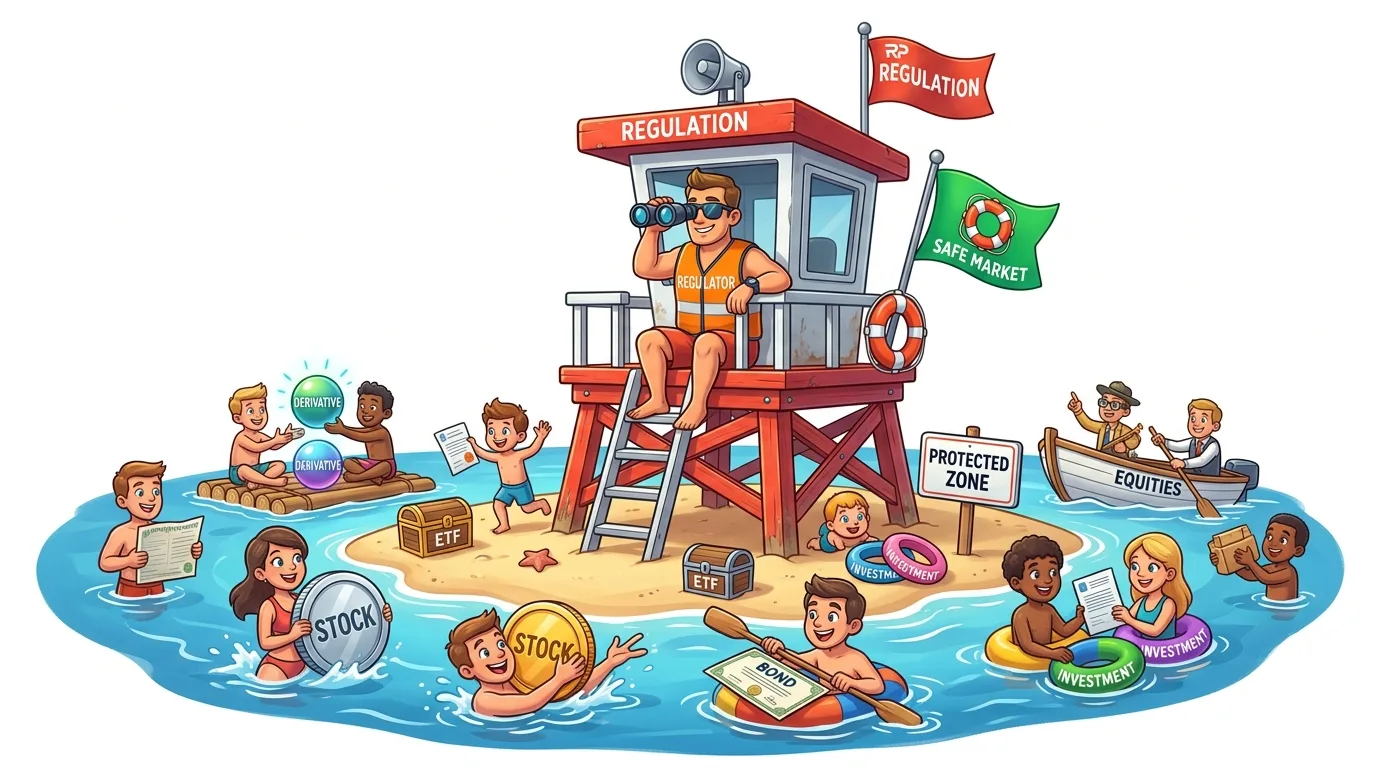
Let's be blunt: in Nigeria, you're largely on your own. But the level of danger differs.
Forex Regulation (The International Layer) Reputable forex brokers like Pepperstone or XM are regulated by bodies like the UK's FCA, Australia's ASIC, or Cyprus's CySEC. This means client fund segregation, use limits, and some dispute resolution avenues. It's not foolproof, but it's a safety net. Your biggest risk is using an unregulated 'offshore' broker that disappears with your deposit. The CBN doesn't regulate these international brokers, so if something goes wrong, your recourse is limited to complaining to that foreign regulator.
Crypto Regulation (The Wild West) The Nigerian SEC has made noises about regulating crypto, but it's early days. Right now, trading crypto is a legal gray area. The CBN has restricted banks from dealing with crypto exchanges, which is why we have the P2P mess. Your funds on a crypto exchange are only as safe as that exchange's security and solvency. Remember FTX? Nigerian users lost millions. There's no insurance. If you leave your crypto on an exchange and it gets hacked or goes bankrupt, you're probably not getting it back. The only semi-secure way is to withdraw to your own private wallet, and then you have to not lose the seed phrase.
This isn't to scare you off, but to make you risk-aware. In both markets, you should never have more money in your trading account than you can afford to lose completely. Assume the regulatory safety net has holes.
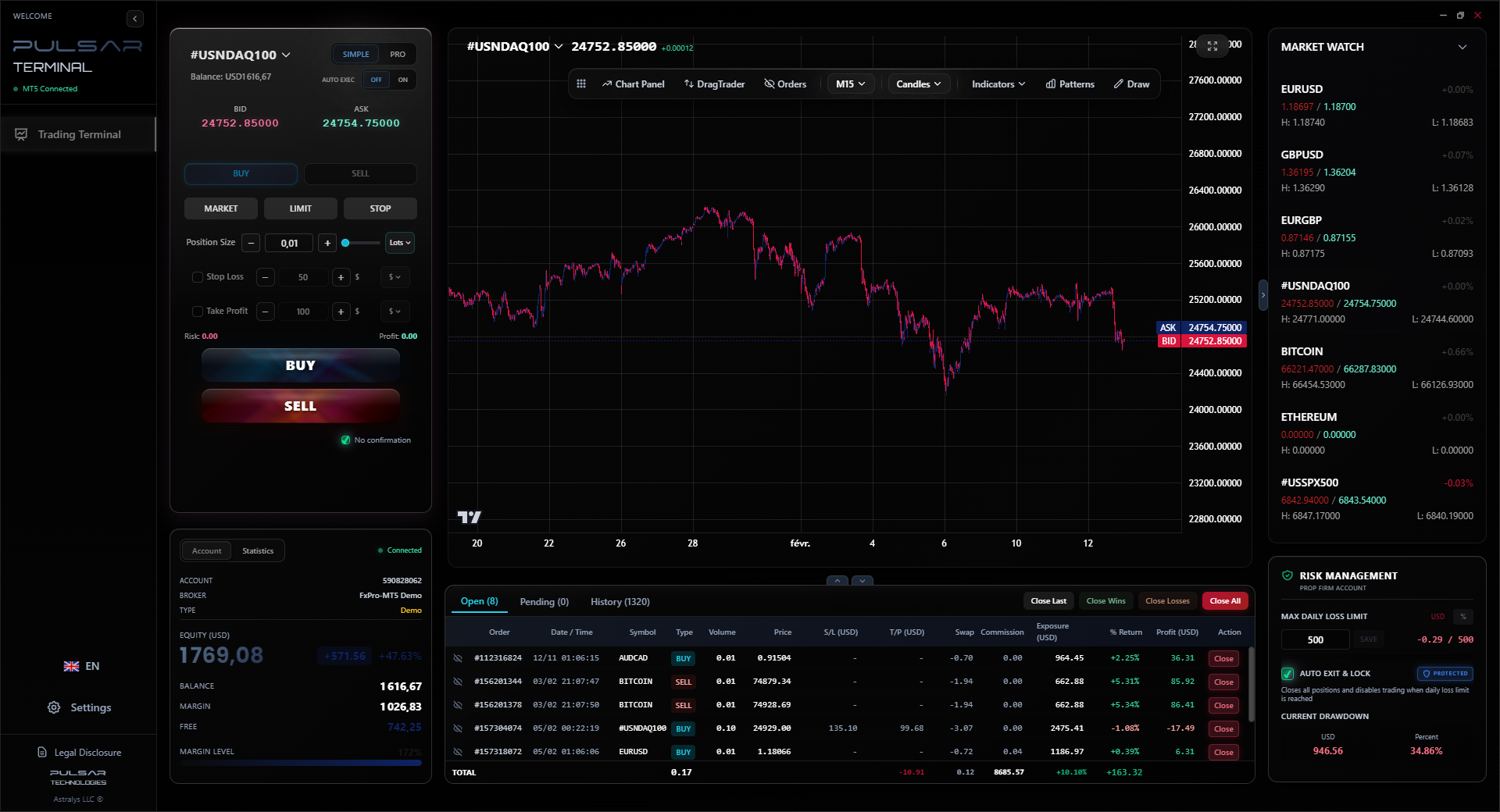
Managing risk across volatile markets requires precise tools, and Pulsar Terminal's drag-and-stop orders and trailing stop features let you set your exits without hesitation.
Pulsar Terminal
Lo strumento MT5 tutto-in-uno: ordini drag-and-drop, multi-TP/SL, trailing stop, grid trading, Volume Profile e protezione prop firm. Usato da oltre 1.000 trader ogni giorno.
After 12 years and watching hundreds of students, here's my unfiltered opinion.
Start with forex. Learn to walk before you try to sprint on ice. The controlled environment of forex teaches you the fundamentals: risk management, the importance of a trading plan, emotional discipline. The slower pace lets you think. You can practice reading economic calendars and understanding how interest rates move currencies. These are timeless skills. Use a demo account, then start small with a broker that offers micro-lots. Your first goal isn't to get rich, it's to not blow up your account. I made every mistake in the book early on, from over-leveraging on USD/JPY to ignoring a margin call. Forex was a tough but fair teacher.
Consider crypto as a speculative supplement later. Once you have a proven, profitable forex strategy, then you might allocate a small portion of your capital (I'm talking 5-10%, max) to crypto swing trading. Don't use the same high-frequency tactics. View it as a high-risk, high-potential-reward side bet. Never trade crypto with money meant for rent or school fees. The emotional toll is different. The 2021 bull run made some of my students feel like geniuses. The 2022 bear market exposed them as gamblers who got lucky.
The biggest mistake I see? Nigerians jumping straight into crypto because of the success stories. They see a guy on Twitter flaunting a Lamborghini from a Shiba Inu trade and think that's the norm. It's not. It's a lottery winner posing as a trader. For every one of him, there are ten thousand people who quietly lost money. Build a foundation first. The EUR/USD isn't as sexy as Dogecoin, but it's been around for decades and will be around for decades more. Can you say the same for 99% of cryptocurrencies?
FAQ
Q1Which market is more profitable, forex or crypto?
Profitability depends on the trader, not the market. Forex offers more consistent, smaller opportunities. Crypto offers rare, massive opportunities alongside constant risk of huge losses. A disciplined forex scalper can make steady returns. A crypto trader might hit one big win and five big losses. Over time, consistency in forex often beats lottery-ticket luck in crypto.
Q2Can I trade both forex and crypto at the same time?
You can, but I don't recommend it for beginners. It splits your focus and capital. Master one market first. Once you have a solid, automated process for one (like a forex day trading routine), then you can allocate a small separate capital for crypto swing trades with a completely different, longer-term strategy.
Q3Is use more dangerous in forex or crypto?
use is dangerous everywhere, but it's more commonly offered and used in forex. A 30:1 use on forex can wipe you out quickly if you're wrong. In crypto, the inherent volatility is so high that even trading at 1x (no use) can feel like you're using 10x use on a forex pair. Adding use on top of crypto's natural volatility is a recipe for instant account destruction.
Q4How do I manage risk differently in each market?
In forex, use hard stop-losses based on technical levels and strict position sizing (e.g., risking 1% per trade). In crypto, you must use wider stops due to volatility, which means trading smaller position sizes to keep your risk amount the same. Also, in crypto, never leave a large position unattended. A weekend gap can be catastrophic.
Q5What about trading Bitcoin as a forex pair (BTC/USD)?
Many forex brokers now offer crypto CFDs like BTC/USD. This lets you trade crypto price movements with forex-style tools and use. The HUGE caveat: you don't own the Bitcoin, and you're subject to the broker's spreads and terms. It combines forex's leveraged danger with crypto's volatility. Tread extremely carefully. It's often better to trade the actual asset on a crypto exchange if you want exposure.
Q6As a Nigerian, which is easier to fund and withdraw from?
Right now, both are difficult but in different ways. Forex involves international bank transfers with fees and delays. Crypto involves P2P platforms with price premiums and the risk of your bank freezing the transaction. There's no easy path. Crypto P2P is generally faster, but you pay a higher price for the asset. Forex is slower, but you might get a better official rate. It's a trade-off.
Lezione del Prof. Winston
Punti chiave:
- ✓Forex teaches discipline; crypto tests it.
- ✓Start with 1% risk per trade, no exceptions.
- ✓Crypto's 20% daily moves are normal, not opportunities.
- ✓Funding is half the battle for Nigerian traders.
Quanto è stato utile questo articolo?
Clicca su una stella
Analisi Trading Settimanali
Analisi e strategie settimanali gratuite. Nessuno spam.
Sull'autore
Olumide Adeyemi
Pioniere del Trading in Africa Occidentale
Uno degli educatori di trading forex più attivi in Nigeria. 8 anni di esperienza di trading da Lagos. Specializzato in strategie a basso capitale e sfide prop firm per trader africani.
Commenti
Avviso di rischio
Il trading di strumenti finanziari comporta rischi significativi e potrebbe non essere adatto a tutti gli investitori. Le performance passate non garantiscono risultati futuri. Questo contenuto è fornito solo a scopo educativo e non deve essere considerato un consiglio di investimento. Conduci sempre le tue ricerche prima di fare trading.
Potrebbe interessarti anche

Cara Trading Forex Sukses: 7 Prinsip dari Trader Profesional
Cara trading forex sukses dengan 7 prinsip trader pro: manajemen modal, disiplin, journal trading, backtest. Data nyata, bukan janji profit palsu.
Jam Trading Forex Terbaik untuk Trader Indonesia: Panduan Lengkap dengan Tabel Waktu
Panduan jam trading forex untuk trader Indonesia. Tabel 4 sesi dunia, jam emas 20:00-00:00, sesi mana yang harus dihindari. Data akurat + tips dari trader berpengalaman.
Top 5 Sàn Forex Uy Tín Nhất 2026: Review Jujur dari Trader Indonesia
Top 5 sàn forex uy tín 2026 untuk trader Indonesia. Review jujur: spread, deposit, withdraw, dukungan lokal. Exness, XM, IC Markets & lebih.
Scarica Pulsar Terminal
Tutti questi calcolatori sono integrati in Pulsar Terminal con dati in tempo reale dal tuo conto MT5.
Scarica Pulsar Terminal