


Looking for the best forex broker in South Africa and tired of the same fluffy lists? Good.

David van der Merwe
新興市場トレーダー ·  South Africa
☕ 13 分で読める
学べること:

Looking for the best forex broker in South Africa and tired of the same fluffy lists? Good. You should be. Picking a broker isn't about fancy ads; it's about finding one that won't screw you on spreads, will actually process your withdrawal, and operates under a regulator that has teeth. The South African market is unique, with the FSCA calling the shots and the Rand being your home currency. Let's cut through the marketing and look at the eight brokers that actually matter for ZAR traders, based on regulation, cost, and the cold, hard reality of trading here.
You can't just pick any international broker and hope for the best. The Financial Sector Conduct Authority (FSCA) runs the show here, and they've got rules that directly impact your money and safety. Forget the FSB; it's been the FSCA since 2018, and they're not messing around.
First, client funds must be segregated. This means your deposit is held separately from the broker's operating money. If the broker goes belly-up, your capital should be protected. I say 'should' because you need to verify this is actually happening with your chosen broker.
Second, brokers need a local presence. That means a physical office, a local compliance officer, and a 'Key Individual' overseeing operations. This isn't just paperwork; it gives you a local entity to hold accountable. The FSCA doesn't set a one-size-fits-all capital requirement, which sounds flexible but means you need to dig deeper into a broker's financial health.

Warning: The FSCA has been handing out hefty fines and debarments. In 2024, they fined a signals provider over R1 million and banned him for 10 years for operating without a license. This regulator has teeth, so trading with an FSCA-licensed broker isn't just a suggestion, it's your first line of defense.
The daily turnover here is around $19 billion. The ZAR is a top-20 traded currency globally. This isn't a backwater market; it's a serious hub with specific rules you need to understand.

💡 ウィンストンのヒント
A low minimum deposit is a marketing trick, not a feature. Under-capitalization is the #1 reason for beginner blowouts. Save up proper capital first.
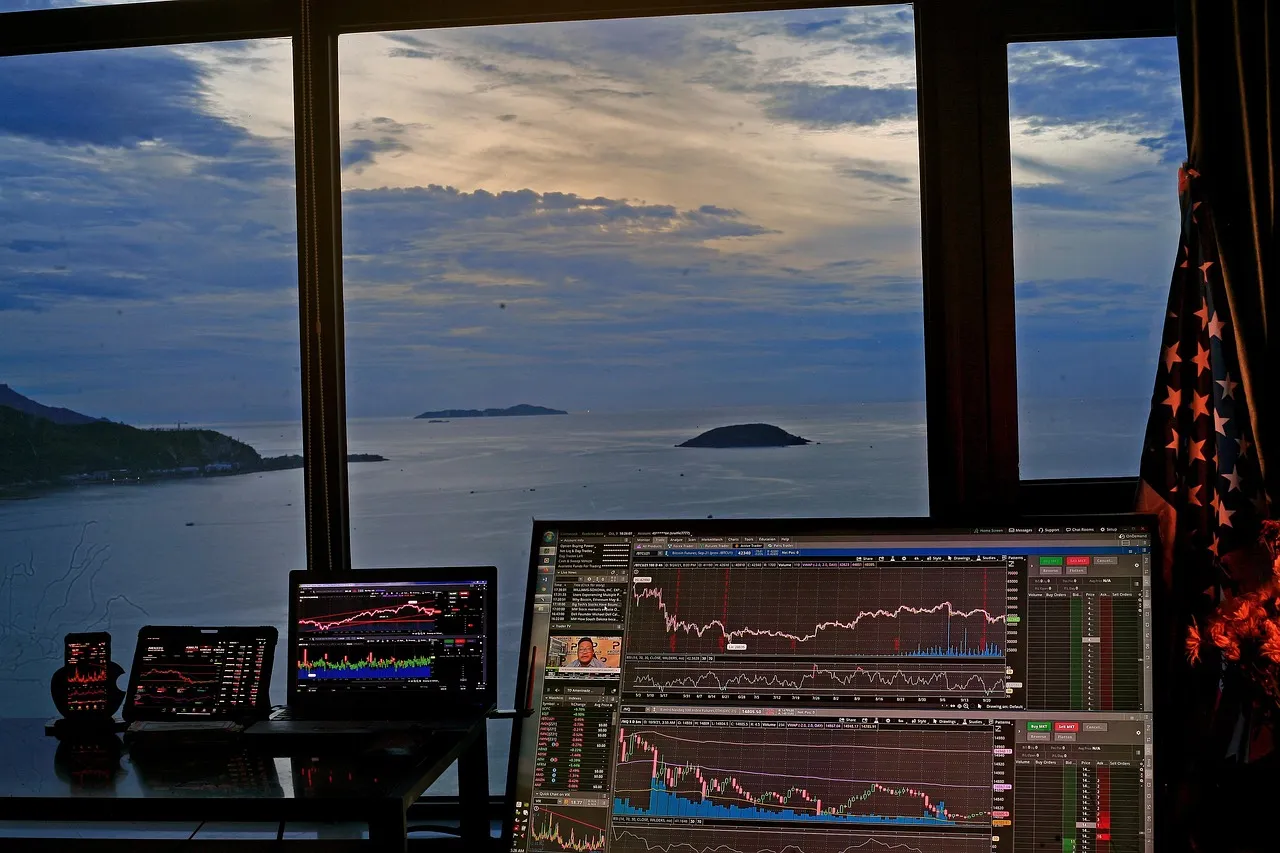
Anyone can list brokers with the tightest spreads. I'm looking for brokers that offer a complete package for a South African trader. My criteria are brutal, because your money is on the line.
Regulation is non-negotiable. FSCA licensing is the gold standard for us. Some global giants serve SA clients through other jurisdictions (like ASIC or CySEC), which can be okay, but an FSCA license means they've jumped through our local hoops. I'll tell you who's fully licensed and who's using a workaround.
Cost structure has to make sense. A 0.0 pip spread is useless if you're paying a $10 commission per lot. We'll break down the real cost of trading, including spreads, commissions, and swap fees. I'll show you how to use a position size calculator to figure out your true costs before you enter a trade.
Deposits and withdrawals need to be painless. Can you fund your account in Rands via instant EFT? How long does it take to get your profits back into your FNB or Standard Bank account? I've waited weeks with some international brokers; it's a nightmare.
Platform stability is everything. If the platform freezes during a SARB interest rate announcement, you're toast. I prefer brokers offering MT4/MT5 because they're industry standards, but some proprietary platforms are decent too.
Finally, I've traded with most of these myself. I'll tell you where I've had slippage issues, which ones have rejected withdrawal requests for 'verification' for days, and which ones just work. This isn't theoretical.

“A R70 account is a toy. You'll be over-leveraged on your first trade.”
Here’s the meat of it. These are the eight brokers that consistently come up for South African traders. I’ve ranked them based on the overall package for a typical retail trader, not just one shiny feature.
1. IG: The All-Rounder (But With a Caveat)
IG is a beast. Globally, they're a Tier-1 broker. For South Africans, they're historically a top pick due to their FSCA license (FSP No 41393). Here's the twist: they've shifted new client onboarding away from their FSCA entity for retail clients. You might be onboarded via another global entity. This doesn't make them bad, but it changes the regulatory umbrella.
- Spreads: Consistently among the lowest. They work hard on this.
- Min Deposit: About R2,600 ($140). Not the lowest, but reasonable.
- The Verdict: Excellent for beginners due to their IG Academy. Their proprietary platform is solid. Just be clear on which entity is holding your funds. Best overall for education and resources.
2. Exness: The Low-Cost, High-use Option
Exness is hugely popular here for a reason. They hold an FSCA license (FSP 51024) and they cater directly to the SA market.
- Spreads: Can be incredibly low. Standard accounts from 0.2 pips, Pro accounts from 0.0.
- Min Deposit: As low as R200 for a Standard account. This is where many start.
- The Big Draw: They offer what they call 'unlimited' use (it's capped but very high). This is a double-edged sword. It can amplify gains, but it will destroy an account faster than you can say 'margin call'. I once watched a student blow a R5,000 account in 20 minutes using maximum use on XAU/USD.
- Verdict: Great for experienced traders who understand risk and want low costs. Dangerous for beginners. Their local payment processing is very good.
3. AvaTrade: The Beginner's Friend
AvaTrade holds a solid FSCA license (45984) and is fantastic for those just starting out.
- Spreads: Not the absolute tightest (from 0.9 pips), but competitive for a spread-only model.
- Min Deposit: $100.
- Platforms: They offer everything: MT4, MT5, their own AvaTradeGO, and even automated trading platforms. This is great for when you want to experiment with different styles, like swing trading on one platform and algo trading on another.
- Verdict: If you're new and want a regulated, user-friendly broker with lots of educational tools and copy trading options, AvaTrade is a very safe bet.
4. Plus500: The Simple CFD Specialist
Plus500 is FSCA-regulated and famous for its clean, intuitive WebTrader platform.
- Spreads: Averaged around 1.3 pips on EUR/USD last I checked. You're paying for simplicity.
- Min Deposit: Very low at €50.
- The Catch: They are primarily a CFD broker. The platform is stripped-down. This is good if you hate clutter, bad if you need advanced charting tools or expert advisors.
- Verdict: Perfect for the trader who wants to click and trade without any fuss. Not for technical analysis geeks or algo traders. They offer negative balance protection, which is a nice safety net.
5. XM Group: The Algo & Copy Trading Hub
XM is another multi-regulated broker (including FSCA) that has deep roots in the SA market.
- Spreads: From 0.8 pips on commission-free accounts.
- Min Deposit: A tiny $5. This is for micro-lot trading, which is a smart way to start.
- Strengths: They actively support algorithmic and copy trading. They also offer ZAR-denominated accounts, which saves you on conversion fees. I've used their service for scalping strategy tests and found execution to be reliable.
- Verdict: A strong all-rounder with a slight edge for traders interested in automation and social trading. Check out our full XM review for more details.
6. Tickmill: The Affordable Low-Cost Contender
Tickmill is FSCA licensed (FSP 49464) and built a reputation on low costs.
- Spreads: Raw account: 0.0 pips average + $3 commission per side. Classic account: from 1.6 pips, no commission.
- Min Deposit: $100.
- Local Perk: They offer instant internet banking deposits in SA, which is a huge plus.
- Verdict: If you're a cost-focused trader who does the math and knows that a raw spread + commission model can be cheaper at high volumes, Tickmill is a top choice. For smaller accounts, the Classic account might be simpler.
7. IC Markets: The Execution Speed King
IC Markets is a favorite among serious retail traders globally. A note: their primary entity for SA clients is often their Seychelles (FSA) or ASIC entity, not a direct FSCA license. This is common, but you must be aware of it.
- Spreads: the best. Raw spreads at 0.0 pips with a $3.5 commission per side.
- Min Deposit: Recommended $200.
- The Real Advantage: Execution speed. They quote an average of 35 milliseconds. In fast markets, this matters. I once entered a EUR/USD trade on news with IC Markets and another broker simultaneously. IC Markets filled me 2 pips better. That's real money.
- Verdict: For high-volume traders, scalpers, and anyone using EAs where every pip counts, IC Markets is often the benchmark. Do your own due diligence on the regulatory setup. Our IC Markets review dives deeper into this.
8. FxPro: The MetaTrader & Algo Specialist
FxPro is FSCA-regulated and has been around forever. They're known for platform choice.
- Spreads: Around 1.6 pips on the standard account.
- Min Deposit: $100.
- Platform Bonanza: MT4, MT5, cTrader, and their own FxPro Edge. If you have a specific EA or script that runs on a particular platform, FxPro likely supports it.
- Verdict: The go-to for dedicated MetaTrader users and algorithmic traders who need a reliable, regulated broker with multiple platform options. Their spreads are higher than the raw accounts elsewhere, so factor that in.
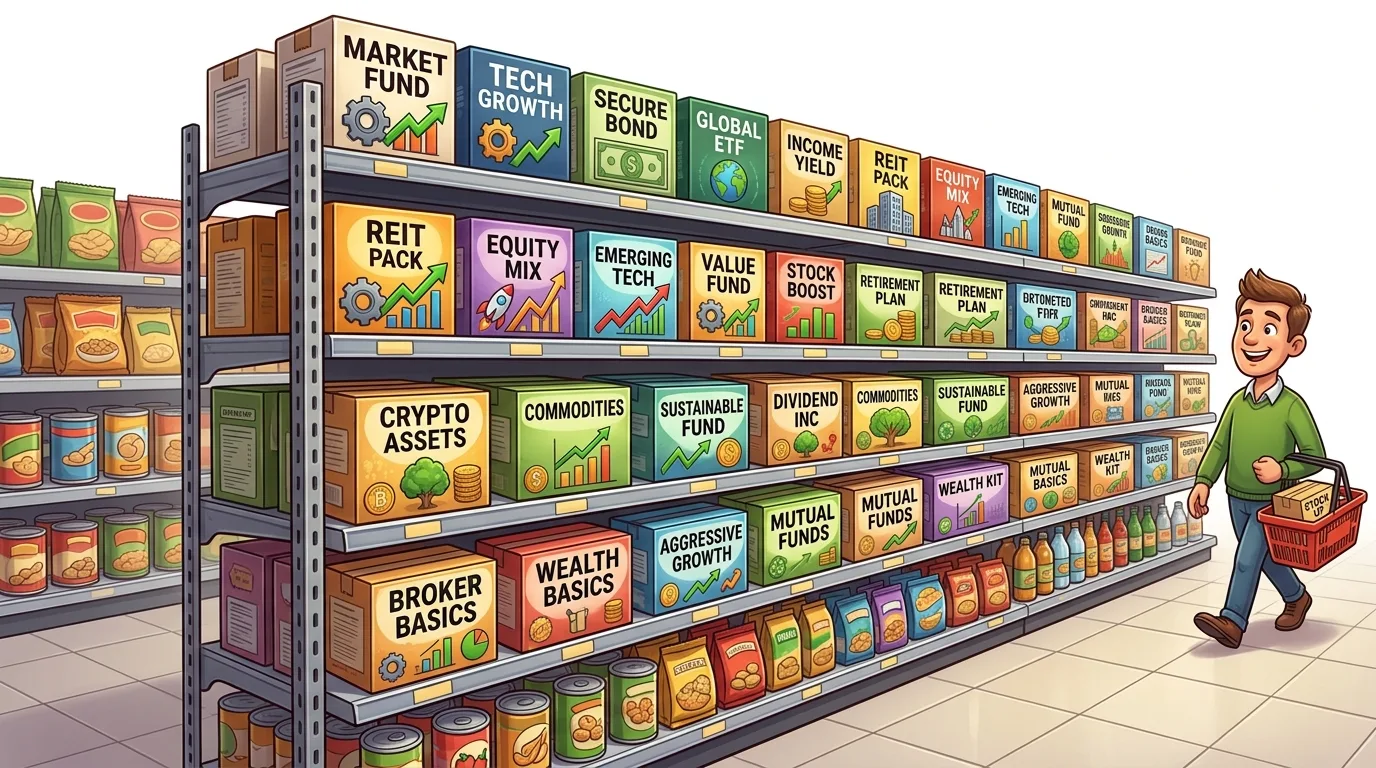
Let's talk numbers, because this is where brokers hide their profits.
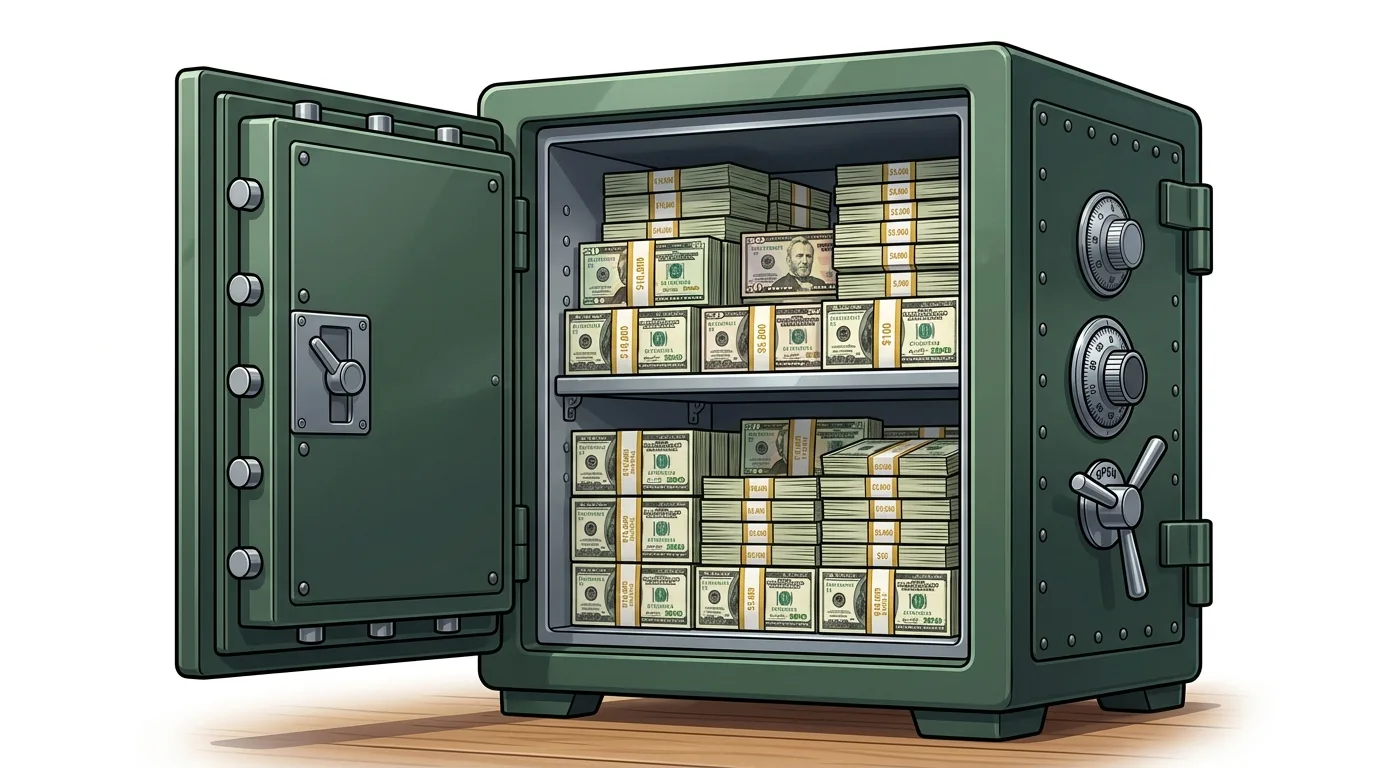
Minimum Deposits are a Trap. Yes, you can start with R70 at some brokers. Should you? Absolutely not. A R70 account is a toy. You'll be over-leveraged on your first trade. A realistic minimum to trade safely, allowing for proper position size calculator use and surviving a few losses, is R1,500 to R5,000. If you're serious, aim for R5,000 to R20,000 as starting capital. Don't let a low minimum deposit fool you into undercapitalizing.
The Total Cost of a Trade: You must look at Spread + Commission + Swap. Here's an example from a past trade:
- Broker: IC Markets Raw Account
- Pair: EUR/USD
- Spread: 0.1 pips
- Commission: $7 per lot round turn ($3.5 in, $3.5 out)
- Trade Size: 1 standard lot (100,000 units)
- Cost in Pips: Commission of $7 = 0.7 pips (since 1 pip on EUR/USD = ~$10). So total cost = 0.1 (spread) + 0.7 (commission) = 0.8 pips.
Now compare to a 'spread-only' broker at 1.6 pips. The raw account is cheaper. But if you trade 0.1 lots, the commission becomes a bigger percentage of your cost. You need to calculate this for your typical trade size.

Example: On a 0.1 lot trade, that $7 commission is now equivalent to 7 pips! Suddenly the 1.6 pip spread-only account is cheaper for small trades. This is why you must know your own trading style.
Swap Fees (Overnight Financing): Holding positions overnight costs money. It's based on the interest rate differential. If you're a long-term trader, these can eat into your profits. Always check the broker's swap rates page.
💡 ウィンストンのヒント
Test the withdrawal process with a small profit before you commit serious capital. A broker's true colors show when you try to take money out.
“use of 500:1 means a 0.2% move against you wipes out your entire account.”
This is the most frustrating part of trading in SA if you pick the wrong broker. Here’s what works.
Local Bank Transfer (EFT): The most common method. The best brokers offer Instant EFT via providers like Ozow, PayFast, or SiD. This should credit your trading account in minutes, not days. Standard EFT can take 1-3 business days.
Credit/Debit Cards: Visa/Mastercard deposits are usually instant. Withdrawals back to the card can take 2-5 business days.
E-Wallets: Skrill and Neteller are popular. They're fast for both deposits and withdrawals. However, some brokers charge fees for e-wallet transactions, and the e-wallet itself might have fees for converting ZAR.
Crucial Advice: Always deposit using the SAME method you plan to withdraw to. Brokers have strict anti-money laundering rules. If you deposit via EFT, your first withdrawal will likely need to go back to the same bank account. Withdrawing to a different account will trigger a paperwork nightmare.
I made this mistake early on. I deposited with a credit card, then tried to withdraw to my bank account. It took two weeks of uploading bank statements and utility bills to get my money. Learn from my pain.
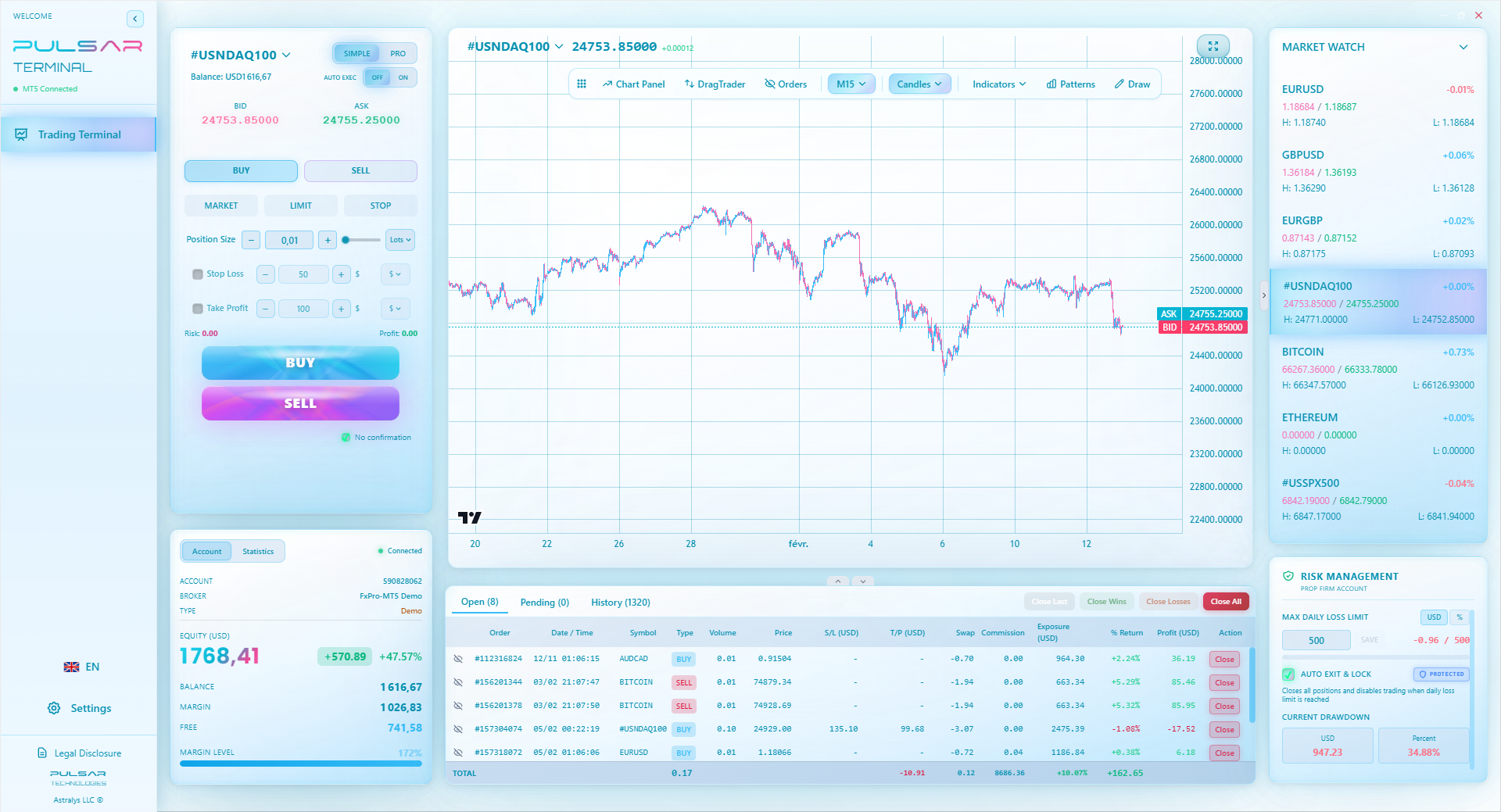
Managing multiple trades and risk across different brokers is complex, but tools like Pulsar Terminal bring advanced order management and prop firm rule automation directly into your MT5 platform.
Pulsar Terminal
MT5オールインワンツール:ドラッグ&ドロップ注文、マルチTP/SL、トレーリングストップ、グリッドトレード、出来高プロファイル、プロップファーム保護。毎日1,000人以上のトレーダーが利用。
I've seen these mistakes burn traders for over a decade. Don't be one of them.
1. Chasing Unlimited use: Exness and others offer it. It's a tool for experts, not a toy. use of 500:1 means a 0.2% move against you wipes out your entire account. Use use like a surgeon uses a scalpel, not a kid with a hammer. Start low (10:1 or 20:1) and work your way up only when you're consistently profitable.
2. Ignoring the FSCA Public Register: Anyone can claim to be regulated. Go to the FSCA website, find their financial services provider register, and type in the broker's FSP number. Verify the name, the license category (it should include OTC Derivatives), and that it's active. This takes 5 minutes and is the most important 5 minutes of your broker search.
3. Not Testing Withdrawals First: Once you're funded, don't wait until you have huge profits to test the withdrawal process. When you've made a small profit (even R500), request a withdrawal. See how long it takes, what the process is, if there are any hidden fees. A broker that makes withdrawing small amounts difficult will be a nightmare when you have real money to pull out.
4. Overlooking Platform Details: You love TradingView charts? Make sure the broker supports TradingView integration or offers a similar charting experience. If you rely on the MACD indicator or RSI indicator in a specific way, test the broker's demo account to see if the tools work for you. A great price means nothing if you can't execute your strategy.
5. Falling for 'Guaranteed Profit' Signal Services: The FSCA is cracking down on these for a reason. If someone could guarantee profits, they'd be trading, not selling signals. Many are unlicensed, like the guy fined over R1 million. Manage your own trades.

“Your first call when choosing a broker shouldn't be to sales. It should be to customer support.”
There is no single 'best' broker. There's only the best broker for you right now.
- If you're a complete beginner: Go with AvaTrade or IG. The education, user-friendly platforms, and strong regulation provide a safe sandbox to learn in. Accept that your costs per trade might be slightly higher as the price of that safety.
- If you're a cost-focused, active trader: Look hard at IC Markets or Tickmill. Their raw account models offer the lowest total cost for standard lot traders. Just be comfortable with their regulatory setup (primarily global entities) and know that you need to manage commission costs on small trades.
- If you want simplicity and just want to trade CFDs: Plus500 is designed for you. Their platform is clean, deposits are easy, and they're FSCA-regulated.
- If you're an algorithmic or copy trader: XM Group or FxPro should be at the top of your list due to their platform support and community features.
Whatever you choose, start with a demo account. Then fund a live account with the minimum amount and make a few trades, including a withdrawal test. Only then should you consider funding it with your serious capital.
The South African market has great options. Your job is to match the broker's strengths to your strategy, your risk tolerance, and your stage in the trading journey. Do the work upfront, and you'll avoid 90% of the headaches that drive traders to quit.
💡 ウィンストンのヒント
Your first call when choosing a broker shouldn't be to sales. It should be to customer support. Ask a technical question. If they're slow or clueless, walk away.

FAQ
Q1Is forex trading legal in South Africa?
Yes, forex trading is completely legal. It is regulated by the Financial Sector Conduct Authority (FSCA). You must trade with an FSCA-licensed broker or a reputable international broker that accepts South African clients to ensure you are protected.
Q2What is the minimum amount I need to start forex trading in South Africa?
While some brokers allow deposits as low as R70, this is a terrible idea. You will be severely over-leveraged. A realistic minimum to trade safely and apply proper risk management is between R1,500 and R5,000. For serious trading, aim for R5,000 to R20,000 as starting capital.
Q3Can I use international brokers like Pepperstone in South Africa?
Yes, many international brokers like Pepperstone accept South African clients. However, they typically do so under a non-FSCA license (e.g., ASIC, CySEC). This can be fine, but you lose the direct protection and recourse of the FSCA. Always check which entity is serving you. We have a detailed Pepperstone review that covers this.
Q4What is the safest way to deposit and withdraw money?
Use Instant EFT or a standard bank transfer to and from your own South African bank account. This creates a clear audit trail and complies with broker AML policies. Always withdraw to the same account you deposited from to avoid delays. Credit card and e-wallet deposits are also fast but check for fees.
Q5What does a 'pip' cost in Rands?
It depends on the currency pair and your trade size. For a standard lot (100,000 units) of USD/ZAR, 1 pip is worth R10. For EUR/USD, 1 pip is roughly $10, which you then convert to Rands at the current exchange rate. Use a pip definition calculator to be precise for your trades.
Q6Are there ZAR-denominated trading accounts?
Yes, several brokers like XM and Exness offer accounts where your balance, profits, and losses are in South African Rands. This eliminates currency conversion fees on your deposits and withdrawals, simplifying your accounting.
Q7How do I verify if a broker is truly FSCA regulated?
Go to the FSCA's official website. Find their 'Financial Services Provider Search' tool. Enter the broker's company name or FSP number. Verify that the license is active and includes the authorization for 'Over-the-Counter Derivative Instruments' (Category 1 or 2). Do not rely on the broker's website alone.
ウィンストン教授のレッスン
重要ポイント:
- ✓FSCA regulation is your primary shield; always verify the license.
- ✓Real cost is Spread + Commission + Swap, not just the advertised spread.
- ✓Start with at least R1,500; R70 is a path to instant ruin.
- ✓Test withdrawals early with a small profit to avoid future traps.
この記事はどれくらい役に立ちましたか?
星をクリックして評価
週刊トレーディングインサイト
無料の週刊分析&戦略。スパムなし。
著者について
David van der Merwe
新興市場トレーダー
ヨハネスブルグ拠点で新興市場通貨11年のトレーダー。ZARペア、FSCA規制下の取引、南アフリカ市場分析を専門とする。
コメント
リスク警告
金融商品の取引には大きなリスクが伴い、すべての投資家に適しているわけではありません。過去の実績は将来の結果を保証するものではありません。本コンテンツは教育目的のみであり、投資助言として解釈すべきではありません。取引前に必ずご自身で調査を行ってください。
こちらもおすすめ

Cara Trading Forex Sukses: 7 Prinsip dari Trader Profesional
Cara trading forex sukses dengan 7 prinsip trader pro: manajemen modal, disiplin, journal trading, backtest. Data nyata, bukan janji profit palsu.
Jam Trading Forex Terbaik untuk Trader Indonesia: Panduan Lengkap dengan Tabel Waktu
Panduan jam trading forex untuk trader Indonesia. Tabel 4 sesi dunia, jam emas 20:00-00:00, sesi mana yang harus dihindari. Data akurat + tips dari trader berpengalaman.
Top 5 Sàn Forex Uy Tín Nhất 2026: Review Jujur dari Trader Indonesia
Top 5 sàn forex uy tín 2026 untuk trader Indonesia. Review jujur: spread, deposit, withdraw, dukungan lokal. Exness, XM, IC Markets & lebih.
