


I remember staring at my screen in late 2021, watching the USD/NGN pair on a platform that suddenly froze.

Olumide Adeyemi
서아프리카 트레이딩 선구자 ·  Nigeria
☕ 10 분 소요
배울 내용:
- 1What Exactly Is an FX Forex Broker? (It's Not a Bank)
- 2Your Non-Negotiable Broker Checklist
- 3Trading Platforms: Why MT5 is King (And What to Look For)
- 4use, Margin, and the Fast Track to a Margin Call
- 5Broker Reviews: Cutting Through the Marketing Hype
- 6The Biggest Mistake Traders Make With Demo Accounts
- 7Your First Steps to Get Started Safely
I remember staring at my screen in late 2021, watching the USD/NGN pair on a platform that suddenly froze. My stop-loss order? Gone. The broker's support line just rang out. That was the moment I lost ₦450,000 to a shady offshore operation. It taught me more about choosing an fx forex broker than any textbook ever could. In Nigeria's vibrant but tricky market, your broker isn't just a platform, it's your business partner. Get this choice wrong, and you're fighting with one hand tied behind your back before you even place a trade. Let's talk about how to pick one that won't disappear with your capital.
First things first, let's clear up the confusion. An fx forex broker is a company that gives you access to a platform to buy and sell currencies. They're the middleman between you and the interbank market, where the big players trade. Think of them like a gateway.
In Nigeria, you've got two main types. A Dealing Desk (DD) broker, sometimes called a market maker. They might take the other side of your trade. The other is a No Dealing Desk (NDD) broker, like an STP or ECN. They just pass your order straight through to liquidity providers. I've traded with both. Early on, I used a market maker because their account minimum was low (just $10). It was fine for learning, but I started noticing my orders on EUR/USD would sometimes get slipped a pip or two on fast-moving news. When I switched to a true ECN broker, the execution was cleaner, but the commissions ate into my profits on small scalping strategy trades. There's no perfect type, just the right one for your style.

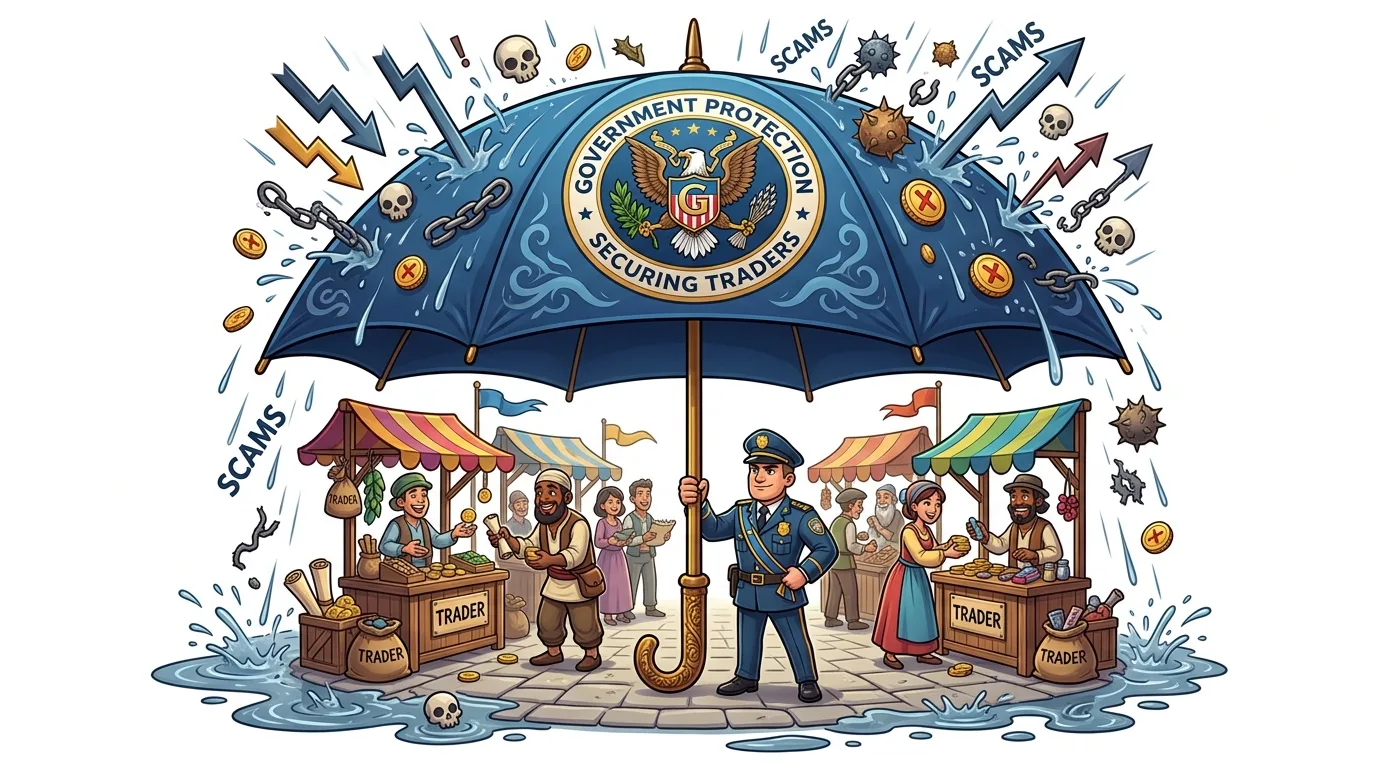
Warning: Many 'brokers' targeting Nigerians are just fancy websites with no real market access. They're bucket shops, betting against you. If it feels too easy to deposit but impossible to withdraw, run.
“In Nigeria's market, your broker isn't just a platform, it's your business partner.”
Before you even look at trading tools, you need to vet these fundamentals. Miss one, and you're asking for trouble.
Regulation (The Big One)
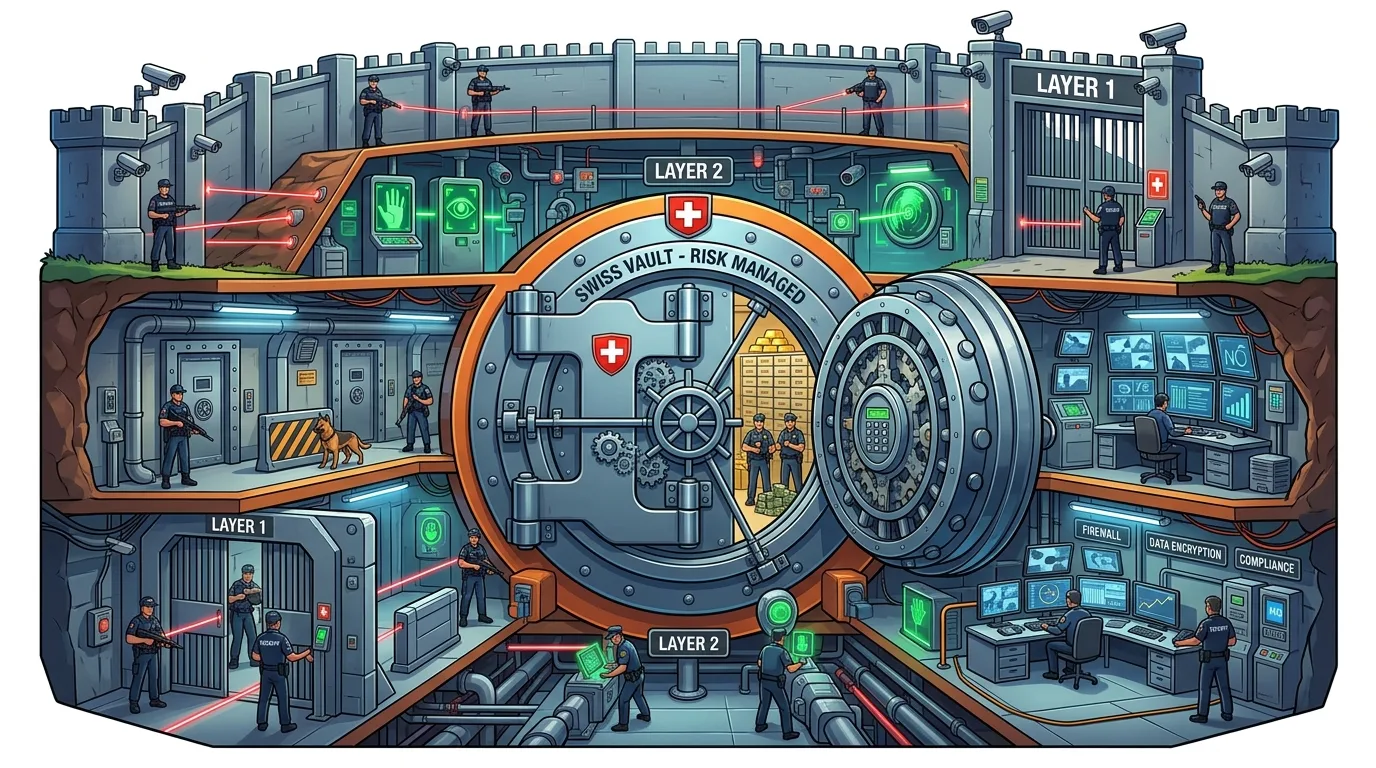
This is your safety net. A regulated broker has to follow rules, keep client funds segregated, and submit to audits. For us in Nigeria, look for brokers with strong offshore licenses. Top-tier regulators include the UK's FCA, Australia's ASIC, Cyprus's CySEC, or the South African FSCA. I only trade with brokers holding at least one of these.
I learned this the hard way. My first broker was 'regulated' in a Caribbean island I'd never heard of. When I had that withdrawal issue, there was literally no one to complain to. Now, my main account is with a broker licensed by ASIC. It took longer to verify my identity (I had to submit my utility bill and ID), but I sleep better at night.
Deposits & Withdrawals in Naira
You need seamless local banking. Look for brokers that offer direct bank transfers, USSD, or partnerships with local payment processors like Flutterwave or Paystack. The process should be clear and fast.
Here's a real number for you: a good broker should process your withdrawal in 1-3 business days. If they promise 'instant' withdrawals, be skeptical. If they take longer than 5 days, start asking serious questions. Always test with a small withdrawal first, before you fund your main account.
Spreads & Commissions
This is your cost of doing business. For major pairs like EUR/USD, a tight spread is crucial. On a standard account, anything under 1.5 pips is decent. On a raw spread ECN account, you might see 0.1 pips but pay a commission per lot.
Let's do the math. If you trade 1 standard lot of EUR/USD and the spread is 2 pips, that's a $20 cost to open the trade ($10 per pip). If the spread is 1 pip, your cost is $10. Over 100 trades, that's a $1000 difference. It adds up fast. Use a position size calculator to see how spreads impact your risk on each trade.

💡 윈스턴의 팁
Your broker's withdrawal policy is their report card. A smooth, fast withdrawal process tells you everything about their integrity and operational health. Test it early, with a small amount.
“A good broker should process your withdrawal in 1-3 business days. If they promise 'instant', be skeptical.”
The platform is your cockpit. You'll spend hours here, so it needs to be reliable and intuitive. For most serious retail traders, MetaTrader 4 or 5 is the standard. MT5 is becoming the new norm as it offers more timeframes, hedging options, and an economic calendar.
When checking a broker's MT5 offering, test these:
- Server Stability: Does it disconnect during high volatility, like the NFP report? A good broker has multiple backup servers.
- Execution Speed: Open a demo account and place a market order. Is there a noticeable delay? Lag can kill a scalping strategy.
- Available Instruments: Beyond forex, can you trade gold (XAU/USD), Nigerian stocks, or crypto? Diversification matters. I use my XAU/USD guide principles on the same platform.
A platform quirk cost me once. I was using a broker's proprietary web platform to short GBP/JPY. I went to set a stop-loss, but the 'drag and drop' function was buggy. I thought it was set 50 pips away. It wasn't set at all. A sudden spike wiped out 15% of my account in minutes. Now, I only use platforms where order entry is crystal clear and reliable. Tools that enhance MT5, like advanced order management systems, can be a game-saver for managing complex trades.
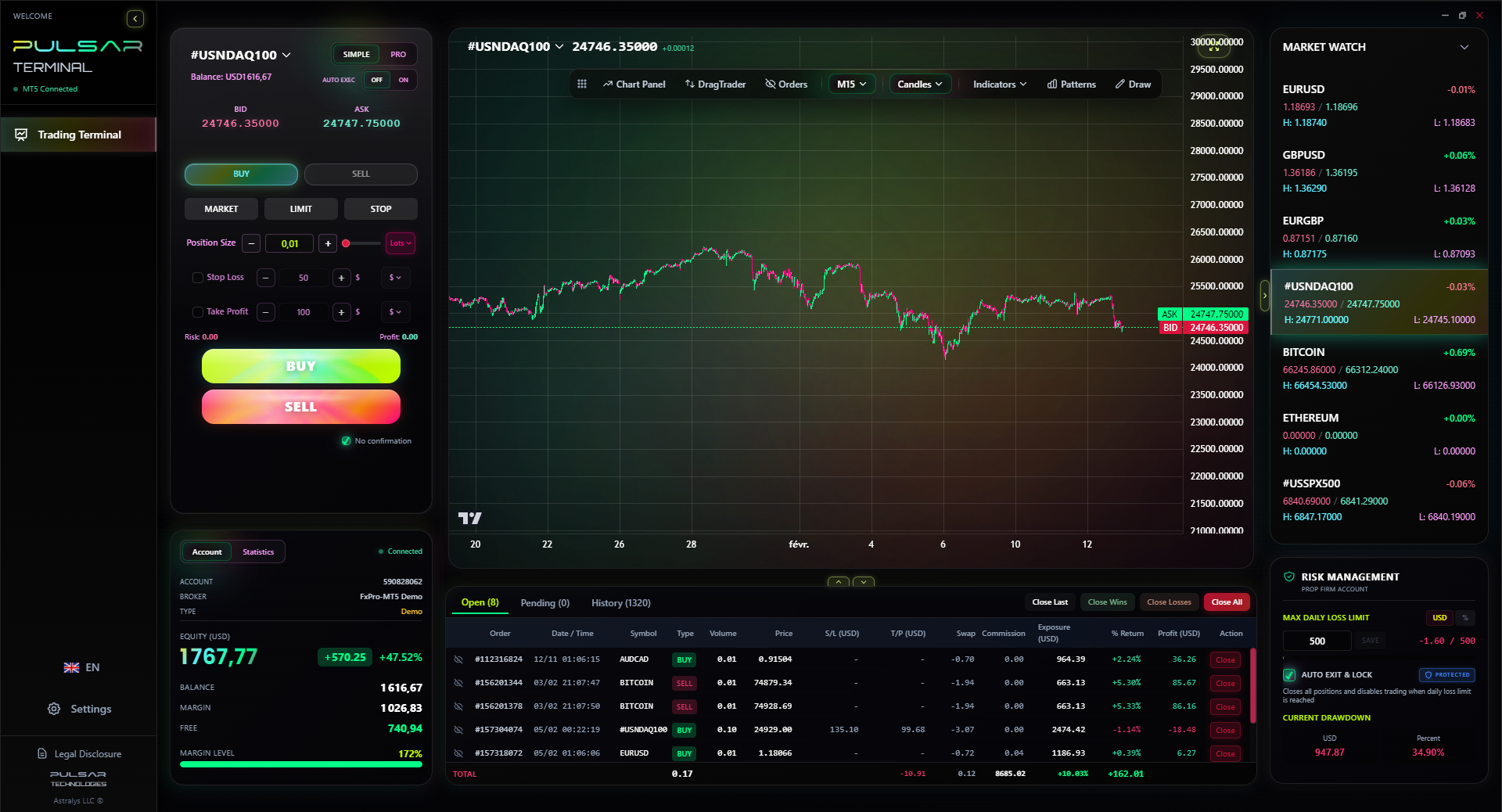
Managing complex trades and protecting your capital from a single bad move is easier with tools that automate risk management directly on your MT5 platform.
Pulsar Terminal
MT5 올인원 도구: 드래그앤드롭 주문, 다중 TP/SL, 트레일링 스톱, 그리드 트레이딩, 볼륨 프로파일, 프롭펌 보호. 매일 1,000명 이상의 트레이더가 사용.
“A good broker should process your withdrawal in 1-3 business days. If they promise 'instant', be skeptical.”
Nigerian brokers often advertise insane use like 1:1000 or even 1:2000. This is a double-edged sword, and the sharp edge is facing you. use amplifies both gains AND losses.
Here’s a simple breakdown:
| Your Capital | use | Buying Power | Move Against You | Loss (of Your Capital) |
|---|---|---|---|---|
| ₦100,000 | 1:10 | ₦1,000,000 | 5% | 50% (₦50,000) |
| ₦100,000 | 1:100 | ₦10,000,000 | 5% | 500% (Account Blown) |
See that? With 1:100 use, a mere 5% move against you wipes you out completely. That 5% can happen in minutes.

Pro Tip: Start with use no higher than 1:10 or 1:20, even if your broker offers more. It forces you to focus on good trade size and risk management, not gambling.
A margin call is your broker telling you to add more funds or they'll close your losing positions. I got my first margin call in 2016. I was over-leveraged on a USD/CAD swing trade, thinking I was smart for using 'only' 1:50. A central bank comment sent it flying against me. The email came in, and I had to watch my positions get automatically liquidated. The feeling is horrible. Manage your use, or it will manage you.
💡 윈스턴의 팁
use is a tool, not a strategy. A master carpenter doesn't blame his hammer for a crooked nail. Use 1:10 to learn discipline; the profits will follow from good analysis, not brute force.

“With 1:100 use, a mere 5% move against you wipes you out completely. That can happen in minutes.”
You'll see a thousand 'top 10 broker' lists. Most are affiliate sites getting paid for sign-ups. You need to do your own detective work.
What to research:
- Withdrawal Reviews: Don't just read the broker's website. Go to independent forums, Nigerian trading groups on Telegram, or even Twitter. Search for the broker's name + 'withdrawal problem'. A few complaints might be user error, but a pattern is a red flag.
- Customer Support Test: Open a live chat or call their support on a demo account. Ask a specific question like, 'What's your policy on stop-loss hunting during news events?' See how long they take to respond and if the answer is clear.
- Compare Real Conditions: Don't just look at advertised spreads. Check the spread at 3 PM Lagos time, and then again during the London-New York overlap (around 2-4 PM our time). Volatility changes everything.
Based on my experience and that of trusted colleagues, here are a few globally accessible brokers Nigerians commonly use (always verify current conditions yourself):
- Exness: Popular for its variety of account types and local deposit options. Their withdrawal process has been reliable in my experience. Read the full Exness review for details on spreads and regulations.
- IC Markets: Known for raw spreads and fast execution, favored by ECN traders. I use them for my main scalping account. Check the IC Markets review for commission structures.
- XM: Offers good educational resources and a user-friendly platform for beginners. See the XM review for account minimums.
- Pepperstone: Another strong contender with excellent customer service and tight spreads. The Pepperstone review covers their Razor account well.
Remember, the best fx forex broker for your friend doing long-term swing trading might be terrible for you if you're a scalper.
“With 1:100 use, a mere 5% move against you wipes you out completely. That can happen in minutes.”
Everyone says 'start with a demo'. It's good advice, but almost everyone uses it wrong. They treat it like a video game, taking wild risks with $100,000 of virtual money, hitting a lucky streak, and then jumping to a live account thinking they're a genius.
That's a recipe for blowing your real account. I did it. My demo account was up 300% in two months trading gold with huge use. I felt invincible. I put ₦200,000 into a live account and lost 40% of it in the first week. The psychology was completely different.
Use your demo account properly:
- Trade your real strategy: If you plan to start with ₦50,000, fund your demo with ₦50,000. Use realistic position size and use.
- Test everything: Test deposits (simulate it), test withdrawals (read the process), test how the platform behaves during high news impact. Try out indicators like the RSI indicator or MACD indicator in real-time conditions.
- Track your performance: Keep a journal. Are you consistently profitable over 100+ trades? If not, you're not ready.
The demo account isn't to learn how to win. It's to learn how to trade without the panic of real money. Only move to live trading when your demo trading feels boring and mechanical.
💡 윈스턴의 팁
The demo account is for testing the broker's systems, not your luck. If you wouldn't take the trade with real money sweating in your palms, don't take it on demo. You're practicing a mindset.

“The demo account isn't to learn how to win. It's to learn how to trade without the panic of real money.”
Alright, let's put this into a simple action plan.
- Shortlist 3-4 Brokers: Pick from established names with real regulation (FCA, ASIC, etc.). Use the reviews section here as a starting point.
- Open Demo Accounts: Open a demo with each of your shortlisted brokers. Trade on them for at least two weeks. Compare the feel, the execution, the spreads on the EUR/USD guide pair you'll likely trade most.
- Do the Withdrawal Test: Pick your top choice. Open a LIVE account with the minimum deposit (maybe $50 or ₦25,000). Make a trade or two, then immediately request a withdrawal of most of the funds. If it comes back to your Nigerian bank account or wallet smoothly and within a few days, you have a winner. This is the most important test.
- Fund Your Real Account: Only after the withdrawal test passes should you fund your account with your intended trading capital. Start small. Your goal for the first 6 months isn't to get rich. It's to not lose money while you learn.
Choosing your fx forex broker is the first major trade you'll make. Do your homework, be patient, and don't get seduced by flashy bonuses or crazy use. A reliable partner is worth its weight in gold, or in our case, stable Naira withdrawals.
FAQ
Q1Is forex trading legal in Nigeria?
Yes, forex trading is legal for individuals in Nigeria. The Central Bank of Nigeria (CBN) regulates the official forex market, but retail traders use international brokers. Your responsibility is to ensure your broker is legitimate and to pay any applicable taxes on your profits.
Q2What is the minimum amount I need to start trading forex in Nigeria?
You can start with as little as $10 (about ₦15,000) with some brokers. However, I strongly advise starting with at least ₦50,000 - ₦100,000. A very small account forces you to use excessive use to make meaningful gains, which is extremely risky. It's better to save up enough to trade with sensible position sizes.
Q3How do I know if a broker is a scam?
Major red flags: 1) No verifiable regulation from a reputable authority. 2) Pressure to deposit large sums quickly. 3) Promises of guaranteed profits or 'secret' strategies. 4) Complicated or constantly delayed withdrawal processes. 5) Customer support that only exists via email with slow, generic responses. Always test withdrawals with a small amount first.
Q4Should I choose a broker with a bonus?
Be very careful. Most trading bonuses come with strings attached, like high volume requirements (lot turnover) before you can withdraw your own money. They can lock your funds. It's often better to choose a broker with no bonus but with transparent, low costs and reliable execution. Don't let a 50% bonus distract you from the fundamentals.
Q5Can I use my Nigerian bank account to fund my forex trading?
Yes, most international brokers serving Nigerian clients offer local payment methods. This includes direct bank transfers, debit/credit cards (though CBN restrictions can affect this), and online payment processors. The best brokers have dedicated Naira deposit/withdrawal channels with clear guides.
Q6What's more important, low spreads or good regulation?
Good regulation, 100%. A broker with tight spreads but no regulation can simply vanish with your money. Regulation protects your segregated funds. You can find regulated brokers with competitive spreads. Never sacrifice security for a slightly cheaper trade. Losing to the market is a lesson; losing to a broker scam is a tragedy.
윈스턴 교수의 수업
핵심 요약:
- ✓Test withdrawals before large deposits.
- ✓Never trade above 1:20 use as a beginner.
- ✓Regulation (FCA, ASIC) is non-negotiable.
- ✓A 2-pip spread vs. 1-pip costs $1000 over 100 lots.
이 기사가 얼마나 유용했나요?
별을 클릭하여 평가
주간 트레이딩 인사이트
무료 주간 분석 & 전략. 스팸 없음.
저자 소개
Olumide Adeyemi
서아프리카 트레이딩 선구자
나이지리아에서 가장 활발한 외환 트레이딩 교육자 중 한 명. 라고스에서 8년간 트레이딩 경험. 아프리카 트레이더를 위한 소자본 전략과 프롭 펌 챌린지 전문.
댓글
위험 고지
금융 상품 거래에는 상당한 위험이 수반되며 모든 투자자에게 적합하지 않을 수 있습니다. 과거 성과가 미래 수익을 보장하지 않습니다. 이 콘텐츠는 교육 목적으로만 제공되며 투자 조언으로 간주되어서는 안 됩니다. 거래 전에 항상 직접 조사를 수행하십시오.
이 기사도 읽어보세요

Cara Trading Forex Sukses: 7 Prinsip dari Trader Profesional
Cara trading forex sukses dengan 7 prinsip trader pro: manajemen modal, disiplin, journal trading, backtest. Data nyata, bukan janji profit palsu.
Jam Trading Forex Terbaik untuk Trader Indonesia: Panduan Lengkap dengan Tabel Waktu
Panduan jam trading forex untuk trader Indonesia. Tabel 4 sesi dunia, jam emas 20:00-00:00, sesi mana yang harus dihindari. Data akurat + tips dari trader berpengalaman.
Top 5 Sàn Forex Uy Tín Nhất 2026: Review Jujur dari Trader Indonesia
Top 5 sàn forex uy tín 2026 untuk trader Indonesia. Review jujur: spread, deposit, withdraw, dukungan lokal. Exness, XM, IC Markets & lebih.
