


Here's a hard truth: the most important trade you'll ever make is choosing who to trade with, and most of you are getting it completely wrong.

Olumide Adeyemi
Pionier Tradingu w Afryce Zachodniej ·  Nigeria
☕ 11 min czytania
Czego się nauczysz:
- 1The Logo Is a Marketing Tool, Not a License
- 2What 'Regulation' Actually Means for a Nigerian Trader
- 3Red Flags Hidden in Plain Sight: The Branding Tricks
- 4The 5-Minute Broker Verification Drill (Do This Now)
- 5The Real Costs They Don't Put in the Logo
- 6A Realistic Broker Checklist for a Nigerian Trader
- 7Your Real Edge: Education, Not Brand Loyalty
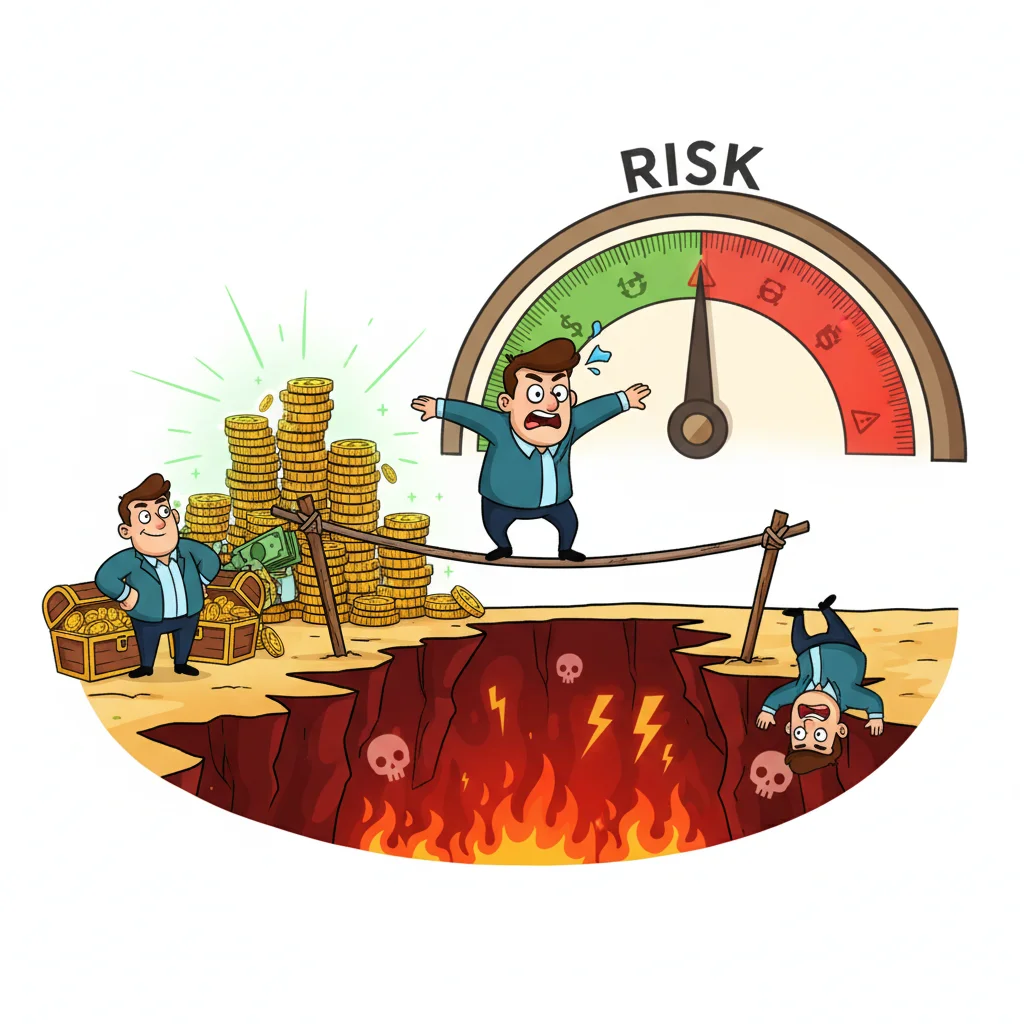
Here's a hard truth: the most important trade you'll ever make is choosing who to trade with, and most of you are getting it completely wrong. You're judging brokers by their flashy logos and slick websites, not by what actually protects your money. In Nigeria, where the regulatory waters are murky and scams are dressed up in professional branding, that's a recipe for disaster. I've seen traders lose six-figure accounts to 'brokers' with beautiful logos but zero substance. This article isn't about design; it's about survival. I'm going to show you how to look past the logo to the legal reality, so you don't become another statistic.
Let's get this straight from the start. A forex logo is just a picture. It's a brand identity, a piece of marketing designed to look trustworthy, professional, and successful. A scam operation can hire a fantastic graphic designer for less than $500 and have a logo that looks more legitimate than a 20-year-old, properly regulated firm.
I fell for this myself early on. Back in 2015, I was drawn to a broker whose logo was all sleek blues and golds, with a crest that screamed 'London finance.' Their website was flawless. I deposited $2,000. It took me three months of failed withdrawal requests and ignored emails to realize the address on their 'FCA registration' was a mailbox in a dodgy part of Cyprus. The logo was perfect. The business was a fraud.
The real license - the actual permission to hold your money - is a boring string of numbers from a real regulator. In Nigeria, the Central Bank of Nigeria (CBN) doesn't license retail spot forex brokers for you and me. The new SEC rules under the ISA 2025 are a step, but the framework is still fresh. So, you're almost always looking at international regulation.

Warning: If a broker's main selling point is how modern or impressive their logo looks, run. A real broker's main selling point should be their regulatory license number, which you can verify independently on the regulator's website.

💡 Wskazówka Winstona
A logo is a promise. A license number is a contract. Always bet on the contract.
“In forex, the most convincing lies often have the best graphic design.”
This is where you need to switch your brain from 'consumer' to 'skeptic.' Because of our local regulatory gap, Nigerian traders rely on brokers regulated abroad. But not all foreign regulation is equal.
The Tier System You Must Understand
Think of regulation in tiers:
- Tier-1 (The Gold Standard): FCA (UK), ASIC (Australia), MAS (Singapore). These are the toughest. They mandate client money segregation (your funds are kept separate from the broker's operating money), negative balance protection, and participation in compensation schemes (like up to £85,000 with the FCA). Getting a license here is hard and expensive.
- Tier-2 (Common & Functional): CySEC (Cyprus), FSCA (South Africa). These are solid, EU-standard regulators. They enforce MiFID II rules, including use caps for retail clients (like 1:30 on majors) and clear reporting. Most reputable brokers serving globally have one of these.
- Tier-3 (Offshore/International): FSA (Seychelles), FSC (Mauritius), VFSC (Vanuatu). These are easier and cheaper to obtain. They often allow the high use (1:1000, 1:2000) that attracts many Nigerian traders. The protection for you is significantly lower.
A broker's forex logo might have little flags or crests implying global presence. You must dig for the specific entity you are signing up with. For example, a broker like Exness has multiple entities; the one serving Nigerian clients is typically under the FSC (Labuan) or FSA (Seychelles) regulation, not CySEC. That's a conscious choice offering different protections.
The Nigerian Legal Gray Area
Trading with your own money through an international broker isn't illegal. But it's not explicitly endorsed either. The CBN's focus is on the systemic market and the Naira. The new SEC rules aim to bring platforms under oversight. This means you have no local safety net. If your offshore broker vanishes, you can't walk into the SEC office in Lagos. Your only recourse is through the foreign regulator, which is a long, difficult process. This makes your initial due diligence non-negotiable.

Example: Let's say you choose a broker regulated by the FSCA in South Africa. You should go to the FSCA's official website, find their 'register of authorised financial services providers,' and type in the broker's license number (e.g., FSP #12345). If the name, address, and permitted services match, it's a good sign. If you can't find it, or the details are vague, it's a massive red flag, no matter how nice the logo is.
“Your loyalty should be to your capital, not to a broker's brand.”
Scammers are psychologists. They know what you want to see. Here’s how they bake deception into their branding.
1. The 'Global' or 'Group' Illusion: Names like "Alpha Global Markets Ltd" or "Prime Trade Group." Their logo will often feature a globe. It implies size and stability. In reality, it's often a single shell company registered offshore with no physical presence. A real global group, like the one behind IC Markets, will clearly state which regulated entity you are contracting with on their website's legal documents.
2. Fake Regulatory Logos & Seals: This is the biggest scam. They will display the logos of the FCA, ASIC, or CySEC on their website's footer. Sometimes they'll even have a "Verify Our License" button that links to a fake replica of the regulator's site. I've seen this dozens of times. Always, always navigate to the regulator's website yourself via a Google search - do not click their link.
3. The 'Award'-Winning Farce: "Best Forex Broker Africa 2024" – awarded by "World Finance Magazine" you've never heard of. These 'awards' are often bought or entirely fabricated to build false credibility. A genuine award from a known publication like ForexLive or Finance Magnates is one thing; a shiny badge from "International Banking Review" is meaningless.
4. The Nigerian Naira Trap: Some unlicensed platforms specifically target Nigerians by offering NGN accounts, local bank deposits, and customer service in Pidgin. This feels convenient and trustworthy. But ask yourself: if they're not regulated by the CBN or SEC to operate here, how are they legally facilitating these Naira transactions? It often involves shady payment processors and creates a huge risk for your funds. A legitimate international broker will usually deal in USD, EUR, or GBP, and you'll use your domiciliary account or cards for transactions.
My rule? If the branding feels like it's trying too hard to impress you with glamour and not hard facts, it's probably covering for a lack of substance. A real broker's site will have a dry, detailed 'Legal' or 'Regulation' section that's easy to find.
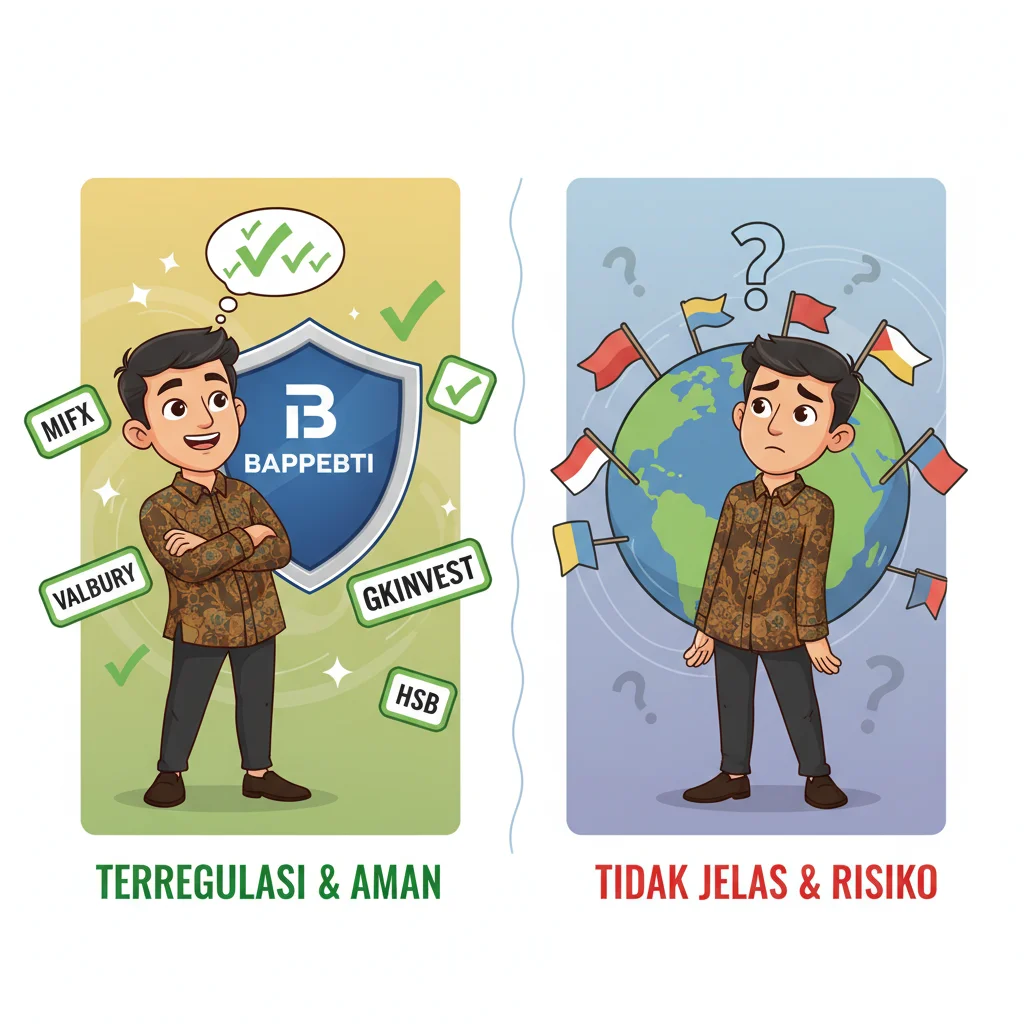
“Your loyalty should be to your capital, not to a broker's brand.”
Stop browsing websites like you're shopping for shoes. Start investigating like a journalist. Here’s your step-by-step drill for any broker you consider.
- Find the Legal Entity Name: Scroll to the very bottom of the homepage. Click "Legal Documents," "Regulation," or "About Us." Find the exact company name you will be signing a contract with. E.g., "IC Markets (EU) Ltd" vs. "IC Markets Ltd."
- Find the License Number: It should be next to the entity name. Something like "Registration No. 123456" or "FSP License #78910."
- Independent Verification: Open a new tab. Google "[Regulator Name] register." For example, "CySEC register" or "FSCA FSP register." Go to the official government (.gov.cy) or regulator (.co.za) website.
- Search the Register: Use the license number or company name in the register's search tool. Confirm the details match: name, address, website, and that the license is active (not expired or suspended).
- Check the Permitted Activities: The register will list what the firm is allowed to do. Ensure it includes "Reception and transmission of orders in relation to financial instruments" or "Execution of orders on behalf of clients" for forex.
If you hit a dead end at any step, that's your answer. No amount of slick logo design compensates for an unverifiable license. This process saved me from a very convincing clone of a major broker just last year. The logo was identical; the website was a mirror image. But the license number was off by one digit, and it didn't exist in the CySEC register.

Pro Tip: Bookmark the official registers for the main regulators: CySEC, FSCA, FCA. It makes this check a 60-second habit before you even look at a broker's account types or spreads.
💡 Wskazówka Winstona
If you're looking at a broker's homepage more than their 'Legal Documents' page, you're shopping for a car based on the color of the paint.
“A scam operation can hire a fantastic graphic designer for less than $500. A real license costs millions in capital and compliance.”
A logo might promise "tight spreads" and "low commissions." The reality is in the fine print, and for a Nigerian trader, it gets more complicated.
Let's talk numbers. A broker advertising "spreads from 0.0 pips" is usually referring to an ECN account where they charge a commission. That commission might be $3.50 per side per lot. So, a round turn on one standard lot of EUR/USD costs $7.00. Is that good? Compared to a "commission-free" account with a 1.5 pip spread (where the cost is built in), you need to do the math. At $10 per pip on a standard lot, a 1.5 pip spread is a $15 cost to enter and exit. The ECN account is cheaper.
But here's the Nigerian angle: funding and withdrawal costs. If a broker charges a 2% fee for depositing with your Visa card, and you're depositing 500,000 NGN (approx. $330), that's an immediate 10,000 NGN loss before you trade. Some brokers offer free deposits but terrible USD/NGN conversion rates. You must look at the total cost of getting money in, trading, and getting profits out.
The use Illusion: That shiny logo might boast "1:2000 use!" That's a marketing hook, not a feature for skilled trading. It's a quick way to blow your account. A broker regulated by CySEC or FCA will cap your use at 1:30 (for retail) because it's safer. The offshore entity offering 1:2000 is giving you enough rope to hang yourself, because if you blow up, they keep your money. I learned this the hard way early on. I used 1:500 on a XAU/USD trade. A $10 move against me wiped out my $1,000 account in minutes. The broker's logo didn't save me from my own greed, but their high-use offer certainly enabled it.
Always use a position size calculator. Always. It's the single most important tool to negate the danger of high use.
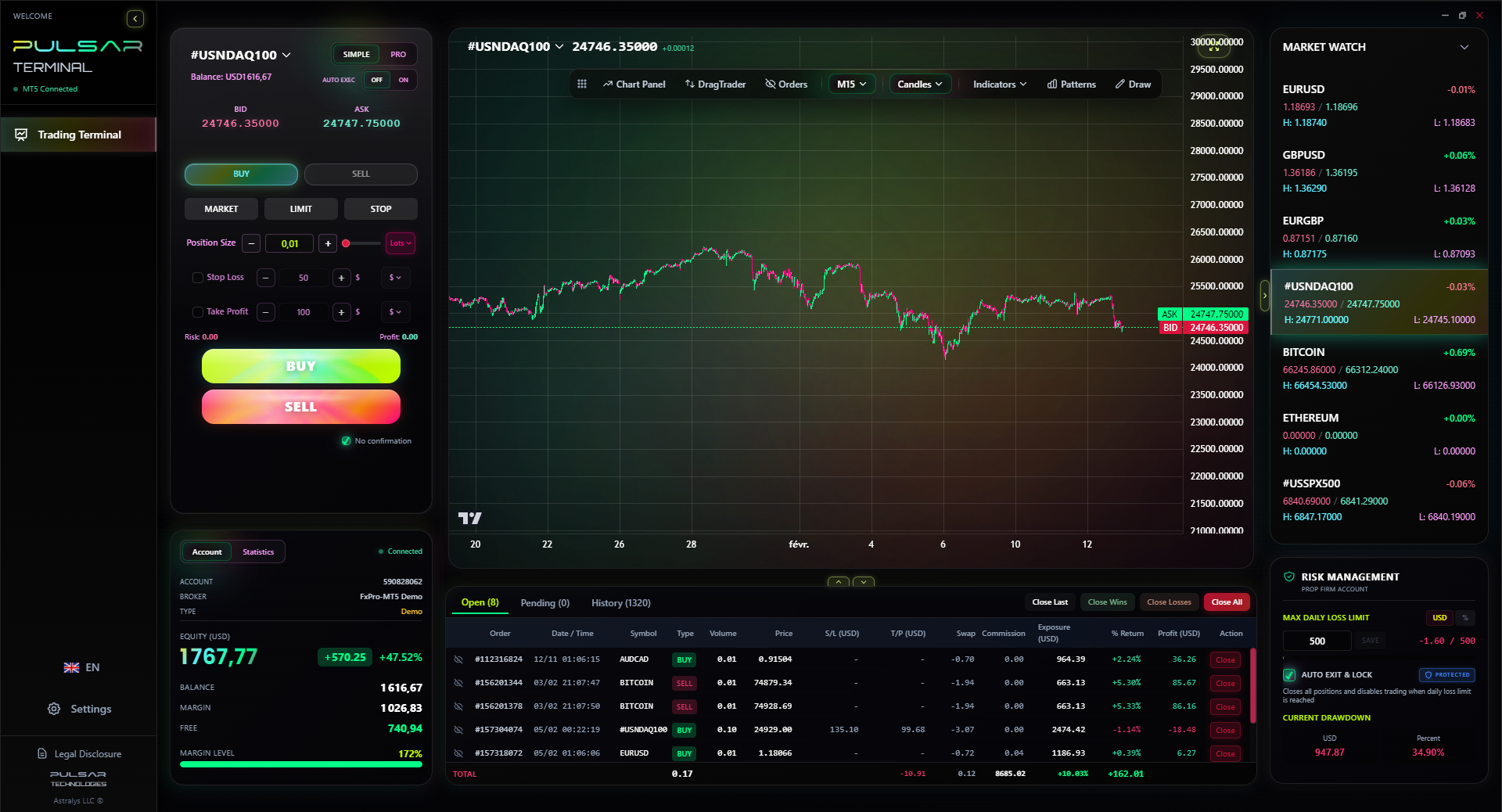
Once you've verified a safe broker, managing your risk on MT5 is the next critical step, and tools like Pulsar Terminal automate complex order types and risk management directly on your charts.
“A scam operation can hire a fantastic graphic designer for less than $500. A real license costs millions in capital and compliance.”
Forget the logo. Use this checklist. If you can't tick all these boxes, move on.
| What to Check | Why It Matters for You |
|---|---|
| Verifiable International License | This is your only protection. Must be from a known regulator (CySEC, FSCA, ASIC, FCA). Check it yourself. |
| Clear Entity for Nigerian Clients | The website should state which regulated entity serves Nigeria. No ambiguity. |
| Reasonable Funding/Withdrawal Costs | Check fees for card deposits, bank transfers, and e-wallets like Skrill. Calculate the total cost in Naira. |
| USD (or EUR) Denominated Accounts | Safer and more transparent than NGN accounts from unregulated entities. Use your domiciliary account. |
| Functional Customer Support | Test them before depositing. Send an email with a technical question. See how long they take to reply. |
| Platform & Tools | Do they offer MT4/MT5? Are there restrictions on scalping or automated trading? |
| Negative Balance Protection | This should be a policy for the entity you're with. It prevents you from owing more than you deposited. |
Notice "Beautiful Logo" isn't on the list. It doesn't matter.
Based on the brokers that consistently pass these checks for Nigerian traders, you'll see names like Pepperstone (regulated by FCA, CySEC, and others), XM (regulated by CySEC, ASIC, FSC), and IC Markets (regulated by CySEC, ASIC). They have professional branding, yes, but more importantly, they have the licenses to back it up.
The final test? Your gut after doing the homework. If anything feels off, if the promises seem too good, if the support is evasive about their license - listen to that feeling. It's better to miss out on a "bonus" than to lose your entire deposit.
💡 Wskazówka Winstona
The most expensive logo in the world won't recover a single pip from a scam. Your due diligence is your first and cheapest form of insurance.
“High use isn't a feature; it's a hazard dressed up as an opportunity.”
The biggest mistake is thinking your broker choice is the finish line. It's the starting gate. A fancy forex logo doesn't teach you how to trade.
Your broker provides the platform. You provide the strategy, the discipline, and the risk management. I see traders spend weeks comparing broker logos and spreads, then jump into live trading with no plan. They don't understand what a pip really costs, they ignore the spread, and they're shocked when a margin call liquidates their position.
Invest the time you'd spend admiring website design into learning. Understand basic technical analysis with indicators like the RSI and MACD. Develop a clear strategy, whether it's swing trading or something else. Practice with a demo account until your execution is mechanical.
Your loyalty should be to your own capital and your own rules, not to a broker's brand. The moment a broker's conditions change (wider spreads, new fees), or you find a better option, you should be ready to move. The logo is irrelevant. Your profitability is everything.
I've changed brokers three times in my career because my needs changed. Each time, the process started with the verification drill, not with which website looked cooler. That's how you stay in the game for the long run.

FAQ
Q1Is forex trading legal in Nigeria?
It's a gray area. Trading your own money with internationally regulated brokers isn't explicitly illegal. However, the CBN prohibits Nigerian banks from facilitating forex for speculation, and the new SEC rules (ISA 2025) aim to regulate the platforms themselves. There's no local license for retail spot forex brokers, so you operate without direct Nigerian regulatory protection.
Q2What is the most important thing to check before funding a forex broker account?
Their verifiable regulatory license from a reputable authority (like CySEC, FSCA, ASIC). Go to the regulator's official website and search their public register using the broker's license number. If you can't confirm it independently, do not deposit any money.
Q3Why do many brokers serving Nigeria have high use like 1:1000?
High use is typically offered by brokers regulated in offshore jurisdictions (like Seychelles or Vanuatu). These regulators have looser rules. It's a marketing tool to attract traders, but it's incredibly dangerous. It amplifies both profits and losses, making it easy to wipe out your account quickly. Tier-1 regulators cap use for retail clients at much lower levels (e.g., 1:30) for their protection.
Q4Should I use a broker that offers a Naira (NGN) account?
Be very cautious. A legitimate international broker regulated abroad has no legal basis to offer Naira banking services in Nigeria. These setups often involve unregulated third-party payment processors and can be a sign of a scam targeting Nigerians specifically. It's generally safer to use a USD account with a properly regulated broker and fund it from your domiciliary account.
Q5What does a forex broker's logo actually tell me?
Almost nothing about the safety of your funds. It tells you about their brand identity and marketing budget. A professional logo is expected, but it is not a sign of regulation, financial stability, or ethical conduct. You must look beyond the logo to the legal documentation and verifiable licenses.
Q6I saw a broker with FCA and CySEC logos on their site, but they offer me 1:500 use. Is this okay?
No, this is a major red flag. The FCA and CySEC enforce strict use caps (1:30 for major forex pairs for retail clients). If they are offering you 1:500, you are likely being onboarded to a different, offshore entity under a weaker regulator. The logos may be displayed deceptively. Clarify exactly which entity you are signing up with and check its specific regulation.
Q7How much money do I need to start forex trading in Nigeria?
You can start with very little - many brokers have minimum deposits as low as $10. However, starting with a very small amount often leads to overtrading and misuse of high use to try and make meaningful gains. A more realistic starter amount that allows for proper position sizing and risk management is $200-$500. Never risk money you cannot afford to lose entirely.
Lekcja Prof. Winstona
:
- ✓Verify the license, not the logo. Always use the regulator's official online register.
- ✓Understand regulatory tiers: Tier-1 (FCA/ASIC) offers strong protection, Tier-3 (offshore) offers high risk and high use.
- ✓Beware of Naira accounts from international brokers - they often signal unregulated, risky operations.
- ✓Calculate your total cost: spread + commission + funding fees. The cheapest spread can have the highest hidden costs.
- ✓use above 1:100 is a danger tool, not a skill tool. Use a position size calculator on every trade.
Jak przydatny był ten artykuł?
Kliknij gwiazdkę, aby ocenić
Tygodniowe analizy tradingowe
Darmowe tygodniowe analizy i strategie. Bez spamu.
O autorze
Olumide Adeyemi
Pionier Tradingu w Afryce Zachodniej
Jeden z najaktywniejszych edukatorów tradingu forex w Nigerii. 8 lat doświadczenia tradingowego z Lagos. Specjalizuje się w strategiach niskiego kapitału i wyzwaniach prop firm dla afrykańskich traderów.
Komentarze
Może Ci się też spodobać

Cara Trading Forex Sukses: 7 Prinsip dari Trader Profesional
Cara trading forex sukses dengan 7 prinsip trader pro: manajemen modal, disiplin, journal trading, backtest. Data nyata, bukan janji profit palsu.
Jam Trading Forex Terbaik untuk Trader Indonesia: Panduan Lengkap dengan Tabel Waktu
Panduan jam trading forex untuk trader Indonesia. Tabel 4 sesi dunia, jam emas 20:00-00:00, sesi mana yang harus dihindari. Data akurat + tips dari trader berpengalaman.
Top 5 Sàn Forex Uy Tín Nhất 2026: Review Jujur dari Trader Indonesia
Top 5 sàn forex uy tín 2026 untuk trader Indonesia. Review jujur: spread, deposit, withdraw, dukungan lokal. Exness, XM, IC Markets & lebih.
All these calculators are built into Pulsar Terminal with real-time data from your MT5 account. One-click position sizing, automatic risk management, and instant calculations.
