


A guy I knew in Lagos back in 2019 was bragging about his MBA Forex returns.

Olumide Adeyemi
Pioneiro do Trading na África Ocidental ·  Nigeria
☕ 10 min de leitura
O que você vai aprender:
- 1MBA Forex: The Scheme That Wasn't Trading
- 2The Real Rules: Forex Trading in Nigeria Today (2026)
- 3How to Pick a Real Broker (Not Another Scam)
- 4Real Numbers: Costs, Capital, and Tax
- 5Building a Real Strategy (Not a Get-Rich-Quick Dream)
- 6Pitfalls Every Nigerian Trader Faces (And How to Avoid Them)
- 7The Future is Transparent Tools, Not Secret Numbers
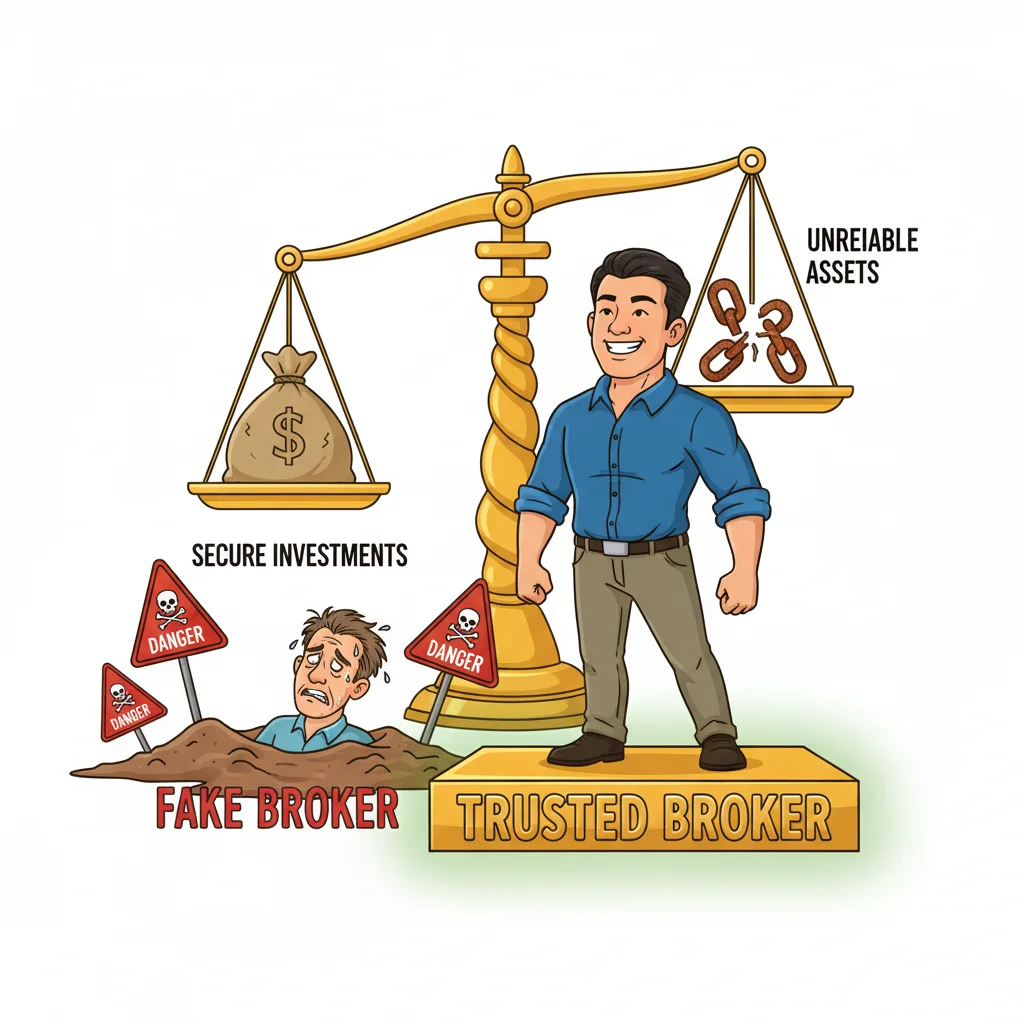
A guy I knew in Lagos back in 2019 was bragging about his MBA Forex returns. He showed me screenshots of a 35% 'profit share' from his N500,000 investment. He kept telling me to call their Port Harcourt customer care number to sign up. I didn't. Six months later, the scheme collapsed, and Maxwell Odum, the founder, was declared wanted for N213 billion in alleged fraud. My friend lost everything. That 'customer care number' was just a front for a massive Ponzi scheme. If you're searching for it now, you're looking in the wrong place. Let's talk about what really happened and, more importantly, how you can trade forex in Nigeria without getting scammed.
Let's be brutally clear: MBA Forex and Capital Investment Limited was never a forex trading company. It was an unregistered investment scheme, pure and simple. The Securities and Exchange Commission (SEC) listed it as an illegal operator. They promised returns as high as 50% by 'trading forex,' but investigators found no evidence of actual trading activity. No audited records, no verifiable trades. It was a classic cash-flow Ponzi: paying old investors with money from new ones.
The entire operation relied on trust and that local presence, including offices in places like Port Harcourt. That's why people searched for an mba forex port harcourt customer care number - they wanted to talk to a real person. It was a smart psychological trick. A physical office and a phone number create legitimacy. But when the music stopped in 2020, the company couldn't meet its obligations. The Central Bank of Nigeria (CBN) froze its accounts. The founder vanished, and thousands of Nigerians were left holding empty bags.
I remember the pattern. The promises were always too good. In real trading, consistent 50% annual returns are superstar territory. Monthly? That's a fantasy. Any 'investment' offering guaranteed, sky-high returns with zero explanation of the strategy is a giant red flag.

Warning: If a company's main selling point is a customer care number and a physical office, not a transparent trading record or regulatory license, run. Real brokers are judged by their execution, spreads, and safety of funds, not their phone support.

💡 Dica do Winston
A customer care number is for solving login issues, not for getting trading advice. If you're calling support for market direction, you have no business being in the market.
“If a company's main selling point is a customer care number and a physical office, not a transparent trading record, run.”
So, if MBA Forex was illegal, what's legal? The landscape has matured significantly, especially with recent CBN reforms. You have two main regulators to know.
First, the Central Bank of Nigeria (CBN). They run the show for the Nigerian Foreign Exchange Market (NFEM). Their job is stability. In late 2024, they introduced the new Nigeria Foreign Exchange (FX) Code and consolidated the official market windows. This was a big deal - it aimed to kill the arbitrage between different rates and bring more transparency.
Second, the Securities and Exchange Commission (SEC). They regulate capital market activities, which includes forex trading when it's offered as an investment service. A legitimate broker operating in Nigeria should ideally have some form of international regulation, and any local entity should be on the SEC's good side.
Key Changes You Need to Know
A major shift happened in early 2025. The CBN let Bureau De Change (BDC) operators back into the official market. The rules are strict: they can buy a maximum of $25,000 per week from banks and can only add a 1% margin when selling to you and me. This move was meant to improve liquidity for retail users.
Another critical update is the Electronic Foreign Exchange Matching System (EFEMS). The CBN now requires interbank trading to go through approved platforms like Bloomberg's BMatch. This creates an audit trail and minimizes shady deals. For you as a retail trader, this means the underlying system feeding currency prices is becoming more strong.

Example: Let's say the CBN's official rate for $/₦ is 1,450. A BDC can now source dollars at that rate from a bank. They can then sell it to you for no more than 1,464.5 ₦ per dollar (1% markup). This is a world away from the black-market premiums of the past.
“High use is the fastest route to a margin call. I never use more than 1:20 on my main account.”
Forget searching for local customer care numbers. Your first search should be for a regulator's website. Here’s your checklist.
- International Regulation: This is non-negotiable. Look for brokers licensed by top-tier authorities like the UK's FCA, Australia's ASIC, Cyprus's CySEC, or South Africa's FSCA. These bodies have strict client fund protection rules. For example, a broker like Pepperstone holds an ASIC license, which means client money is held in segregated accounts at major banks.
- Transparent Fees: You want to see the costs upfront. There are two main models: commission-based (raw spreads + a fee per lot) or spread-only. A good ECN account might charge a commission of $3.50 per side per 100k lot, but the EUR/USD spread could be 0.0 pips. A spread-only account might have a 0.7 pip mark-up. Know which you're getting.
- Trading Platform: MT4 and MT5 are the standards in Nigeria. They're reliable and support expert advisors (EAs). Some brokers offer their own platforms, like XM's XM WebTrader or Capital.com's platform, which can be great for beginners.
- Local Support (A Bonus, Not the Main Event): Yes, it's nice to have a Lagos office or Naira-denominated accounts. Brokers like Exness and FXTM have strong local presence. But this is the cherry on top, not the cake. The cake is the regulation and the trading conditions.
I made a mistake early on. I signed up with a 'broker' that had amazing local ads and a fancy Victoria Island address but was registered in some obscure offshore haven with no real oversight. Slippage was horrific, and withdrawing my $1,200 profit felt like pulling teeth. I learned the hard way: the address is less important than the license number.

“High use is the fastest route to a margin call. I never use more than 1:20 on my main account.”
Let's talk concrete numbers, because this is where dreams meet reality.
Starting Capital: You'll see brokers advertising accounts from $5. Technically, you can start. Practically, don't. With $5, even a 10-pip move on a micro lot is a tiny amount, and you'll be killed by the spread. A serious starting point for learning without getting wiped out by noise is between $500 and $1,000 (roughly ₦750,000 to ₦1.5 million). This allows for proper position sizing and breathing room.
Fee Structure: Here’s a comparison of what to expect from reputable brokers in 2026.
| Account Type | Typical EUR/USD Spread | Commission (per 100k lot) | Best For |
|---|---|---|---|
| Standard/Spread-Only | 0.7 - 1.2 pips | $0 | Beginners who want simple, all-in costs. |
| Raw/ECN | 0.0 - 0.2 pips | $6 - $7 total (round turn) | Active traders, scalping, where low spread is key. |
The Nigerian Tax Man: Remember this. Profits from forex trading are subject to a 10% Capital Gains Tax in Nigeria. You are legally required to declare this. It's not the broker's job to deduct it; it's yours. Keep a clean trade journal. The first time I had a big winning year, I hadn't kept proper records. Reconciling it for my accountant was a nightmare.
use: Nigerian traders often have access to high use, like 1:500, through a broker's offshore entity. This is a double-edged sword. It lets you control a $50,000 position with $100. It also means a 0.2% move against you wipes out your entire margin. I never use more than 1:20 on my main account. High use is the fastest route to a margin call.
💡 Dica do Winston
The Naira's volatility is a background condition, not a trading signal. Never let your emotion about the local economy override the chart of a global currency pair.
“The best 'customer care' a trader can have is a trading environment that prevents them from making emotionally-driven mistakes.”
The MBA Forex scam worked because it sold a dream, not a process. Real trading is a grind. Here’s what a real foundation looks like.
Risk Management First: Before you even think about an entry signal, know your exit. My rule is never to risk more than 1% of my account on a single trade. On a $1,000 account, that's $10. If my stop loss is 50 pips away on EUR/USD, I can only trade a position size where 50 pips = $10. That's a 0.02 lot size. Use a position size calculator every single time. This one habit will keep you in the game.
Simple Analysis Works: You don't need a secret MBA Forex signal. I use price action and maybe one or two indicators. The RSI indicator for spotting overbought/oversold conditions, and the MACD indicator for trend momentum. That's it. I spent two years backtesting a crazy system with 10 indicators. It failed in live markets because it was too complex. Simplicity is strong.
Choose Your Style: Are you sitting at a screen all day? Then maybe scalping the EUR/USD is for you. Do you have a day job? Then swing trading, holding trades for days or weeks, is more realistic. I'm a swing trader. I might only take 2-3 trades a month on something like XAU/USD (gold). It fits my life.

Pro Tip: The best strategy is the one you can execute consistently without emotion. Write your rules down on a sticky note next to your screen. If the setup isn't there, don't trade. Boredom is part of the job.
“The best 'customer care' a trader can have is a trading environment that prevents them from making emotionally-driven mistakes.”
We have a unique environment here, and it creates specific traps.
1. The 'Maga Must Pay' Mentality: After a loss, there's a huge psychological pressure to 'get back your money' immediately. This leads to revenge trading - doubling down, trading larger sizes, ignoring your plan. I've done it. After a $300 loss on a bad GBP/USD trade, I jumped right back in with double the size, trying to make it all back. I turned that $300 loss into a $700 loss in 20 minutes. Walk away after a loss. Close the platform.
2. Naira Volatility Obsession: It's easy to get sucked into only trading USD/NGN pairs or being overly focused on how every CBN news affects your account in Naira. While you should be aware of it, don't let it dictate your trades on global pairs like EUR/USD. Trade the chart in front of you.
3. Over-reliance on 'Gurus' and Signal Groups: The ghost of MBA Forex lives on in Telegram groups selling 'surefire signals.' If someone had a guaranteed system, they'd be trading it with their own millions, not selling it for ₦5,000 a month. Do the work yourself.
4. Ignoring Technology Gaps: Internet stability is an issue. You need a broker with reliable execution and a platform that doesn't freeze. This is another reason why IC Markets or other brokers with strong server infrastructure are popular here. A platform freeze during a news event can be catastrophic.
💡 Dica do Winston
Your first profitable year, set aside 15% of the profits immediately. 10% is for tax, 5% is for the accountant you'll desperately need to figure out the tax.
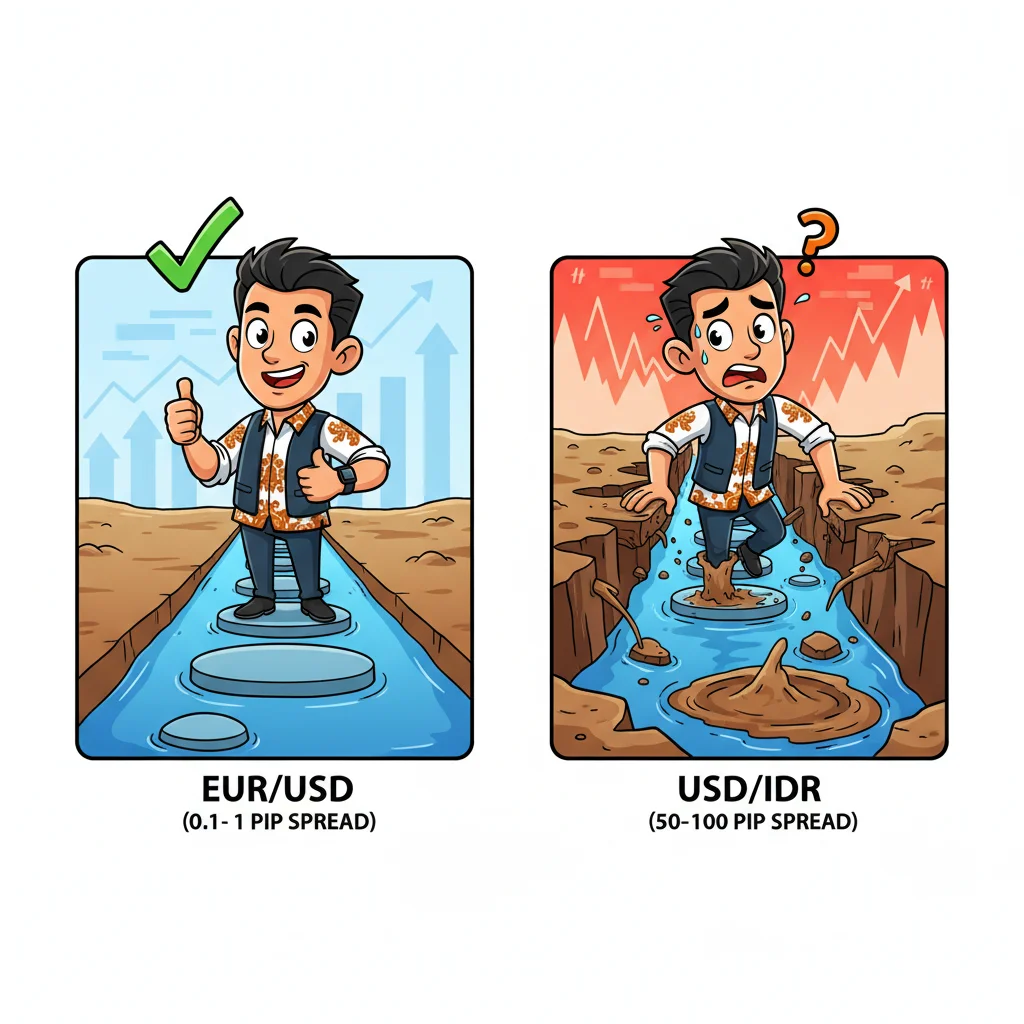
“Real trading is a grind. The MBA Forex scam worked because it sold a dream, not a process.”
The trend in Nigeria for 2026 is clear: transparency and technology. Traders are fed up with scams and are demanding reliable pricing, fast execution, and tools that help them, not mystify them.
The growth of advanced trading software that integrates directly with platforms like MT5 is a game-changer. These tools automate the disciplined parts of trading - the risk management that humans are so bad at.
Imagine a tool that automatically moves your stop loss to breakeven once the trade is in profit by a certain amount (a trailing stop). Or one that lets you set a take-profit order at multiple levels, closing parts of your position as the price hits them. This isn't fantasy; it's the kind of functionality professional traders have used for years, and it's now becoming accessible.
This shift is crucial. It moves the focus from chasing a mythical mba forex port harcourt customer care number to seeking out technological solutions that enforce discipline. The best 'customer care' a trader can have is a trading environment that prevents them from making emotionally-driven mistakes. After all, your biggest opponent in this game is rarely the market. It's the person you see in the mirror.
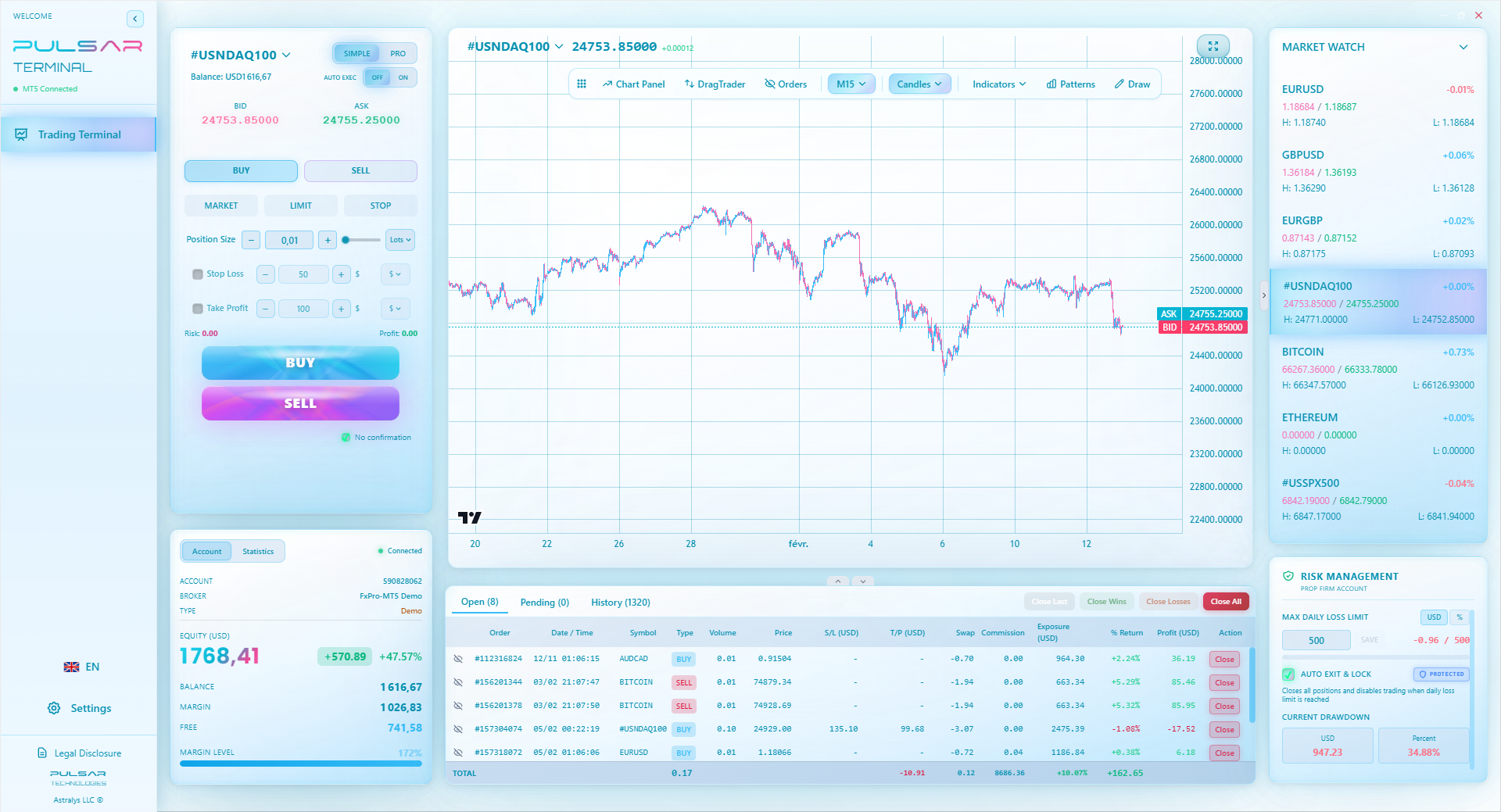
Managing multiple take-profit levels and trailing stops manually is stressful and error-prone, which is why tools like Pulsar Terminal automate these risk management functions directly on your MT5 platform.
Pulsar Terminal
A ferramenta MT5 tudo-em-um: ordens drag-and-drop, multi-TP/SL, trailing stop, grid trading, Volume Profile e proteção prop firm. Usado diariamente por 1.000+ traders.
FAQ
Q1Is MBA Forex Port Harcourt still operating?
No. MBA Forex was declared an illegal scheme by the SEC Nigeria and collapsed in 2020. Its founder is wanted by the EFCC. Any website or number claiming to be MBA Forex is a scam attempting to defraud people.
Q2What is a legitimate customer care number for forex trading in Nigeria?
You don't call a generic 'forex' number. You contact the official support line of a specific, internationally regulated broker you have an account with, like Exness, FXTM, or Pepperstone. Always find the contact details on the broker's official, regulated website.
Q3How much money do I need to start forex trading legally in Nigeria?
While some brokers allow deposits as low as $10, a realistic amount to learn properly and manage risk is between $500 to $1,000 (approx. ₦750,000 - ₦1.5 million). This allows for meaningful position sizing without being wiped out by a single small loss.
Q4Do I pay tax on forex trading profits in Nigeria?
Yes. Profits are subject to a 10% Capital Gains Tax. It is your responsibility to declare this income and pay the tax. Maintain detailed records of all your trades, deposits, and withdrawals.
Q5What is the safest way to fund a forex trading account in Nigeria?
Use the broker's official deposit methods, which often include bank cards (debit/credit) or direct bank transfers. Reputable brokers offer secure, encrypted payment gateways. Never transfer money to a personal Nigerian bank account claimed by a 'broker' or 'manager'.
Q6Can I get my money back if I invested in MBA Forex?
It is highly unlikely. The scheme has been defunct for years, its accounts were frozen, and its principal is a fugitive. Your best course of action is to report the fraud to the EFCC, but you should consider the funds lost. Let it be a costly lesson in due diligence.
Q7What's the most important thing to look for in a broker?
A verifiable regulatory license from a reputable authority (like FCA, ASIC, CySEC, or FSCA). This is your primary protection for the safety of your funds. Everything else - fees, platforms, assets - comes second.
Lição do Prof. Winston
Pontos-chave:
- ✓Ponzi schemes promise fixed returns; trading produces variable, uncertain profits.
- ✓Always verify a broker's primary regulatory license before depositing.
- ✓Risk a maximum of 1% of your account per trade to survive.
- ✓In Nigeria, a 10% capital gains tax applies to your trading profits.
Quão útil foi este artigo?
Clique em uma estrela
Insights de Trading Semanal
Análises e estratégias semanais grátis. Sem spam.
Sobre o autor
Olumide Adeyemi
Pioneiro do Trading na África Ocidental
Um dos educadores de trading forex mais ativos da Nigéria. 8 anos de experiência operando a partir de Lagos. Especialista em estratégias de baixo capital e desafios de prop firms para traders africanos.
Comentários
Aviso de risco
A negociação de instrumentos financeiros envolve riscos significativos e pode não ser adequada para todos os investidores. O desempenho passado não garante resultados futuros. Este conteúdo é apenas para fins educacionais e não deve ser considerado aconselhamento de investimento. Sempre conduza sua própria pesquisa antes de negociar.
Você também pode gostar

Cara Trading Forex Sukses: 7 Prinsip dari Trader Profesional
Cara trading forex sukses dengan 7 prinsip trader pro: manajemen modal, disiplin, journal trading, backtest. Data nyata, bukan janji profit palsu.
Jam Trading Forex Terbaik untuk Trader Indonesia: Panduan Lengkap dengan Tabel Waktu
Panduan jam trading forex untuk trader Indonesia. Tabel 4 sesi dunia, jam emas 20:00-00:00, sesi mana yang harus dihindari. Data akurat + tips dari trader berpengalaman.
Top 5 Sàn Forex Uy Tín Nhất 2026: Review Jujur dari Trader Indonesia
Top 5 sàn forex uy tín 2026 untuk trader Indonesia. Review jujur: spread, deposit, withdraw, dukungan lokal. Exness, XM, IC Markets & lebih.
Obter Pulsar Terminal
Todas essas calculadoras estão integradas ao Pulsar Terminal com dados em tempo real da sua conta MT5.
Obter Pulsar Terminal