


I used to think a slick forex trading logo meant a broker was trustworthy.

Olumide Adeyemi
Пионер трейдинга в Западной Африке ·  Nigeria
☕ 9 мин чтения
Что вы узнаете:
- 1The Logo is Marketing. The License is Your Safety Net.
- 2What You're Really Paying For: Spreads, Commissions & The Naira Squeeze
- 3Funding Your Account: The Logo Doesn't Process Your Withdrawal
- 4The Trading Platform is Your Battlefield. The Logo is Just a Flag.
- 5Unlimited use: The Most Dangerous Brand Promise
- 6Forget Their Logo. Focus on Building Your Trading 'Brand'.
- 7Your Nigerian Trader's Broker Checklist (No Logo Required)
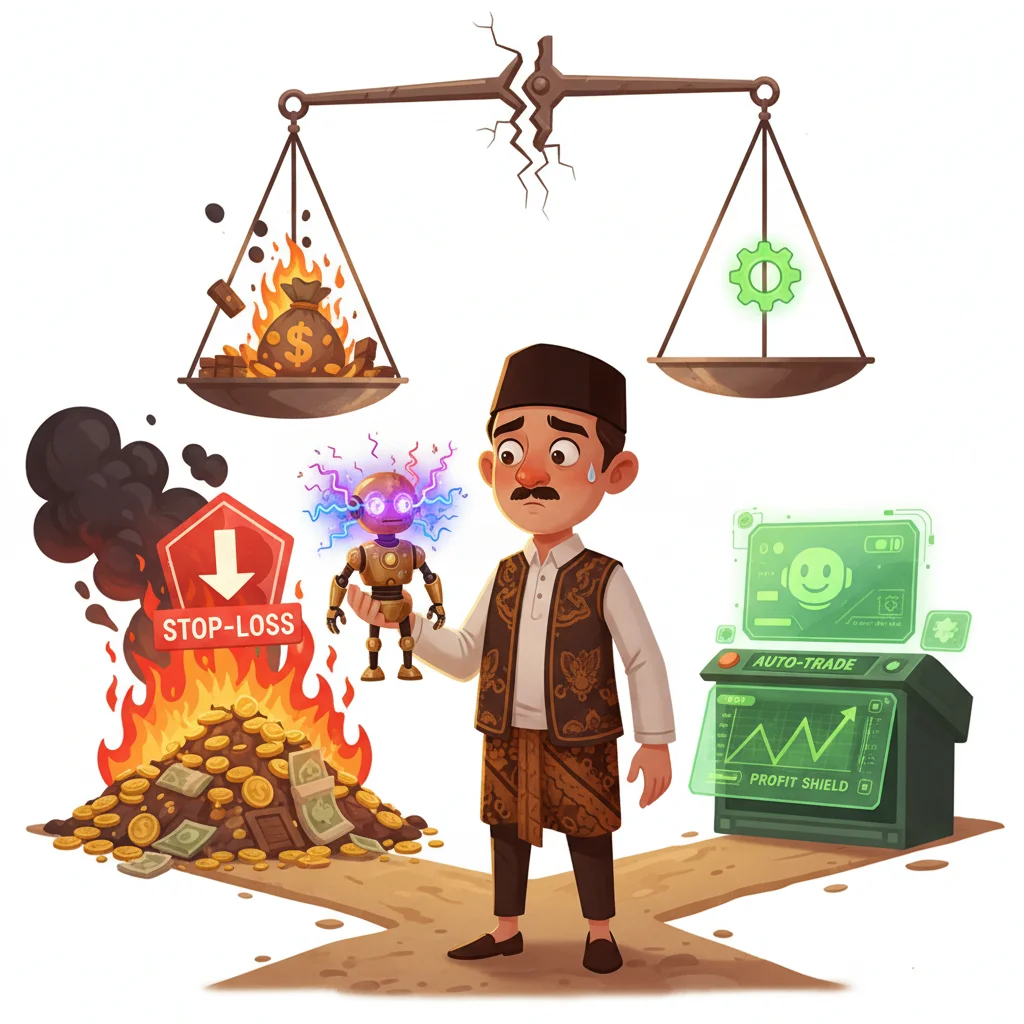
I used to think a slick forex trading logo meant a broker was trustworthy. You know the ones: the golden lion, the sleek eagle, the abstract globe that screams 'global markets.' I lost $800 with a broker that had the most professional logo I'd ever seen. Turns out, their flashy branding was a distraction from their terrible execution speeds and hidden fees. For Nigerian traders, the broker's logo is the least important thing. Let's cut through the marketing and talk about what actually protects your capital and lets you trade effectively from Lagos, Abuja, or Port Harcourt.
That cool logo doesn't pay you when it's time to withdraw. A regulator's license does. In Nigeria, we're in a unique spot. The CBN doesn't license retail forex brokers for speculation. Our safety comes from the international bodies overseeing the brokers we use.
I learned this the hard way. My first broker had a logo that looked like a futuristic stock chart. I didn't check their license. When I tried to withdraw a $1,200 profit, it was 'under review' for weeks. I eventually got it, but the stress wasn't worth it. Now, I only look at brokers with Tier-1 regulation like the UK's FCA or Australia's ASIC. These regulators force brokers to keep client funds in segregated accounts. If the broker goes under, your money isn't part of their assets.

Warning: A broker advertising 'unlimited use' with a flashy logo is often a major red flag. Reputable regulators cap use to protect retail traders (e.g., 1:30 for major pairs under FCA rules). The high use (1:500, 1:2000) offered to Nigerians usually comes under other international licenses, so you must understand the specific protection you're getting.
Your checklist should be: FCA, ASIC, CySEC, or FSCA license first. Cool logo last. A broker like Pepperstone, for instance, is heavily regulated, and that fact is far more valuable than any graphic design.

💡 Совет Уинстона
A broker's marketing budget is inversely proportional to how hard they need to try. The most reputable ones often have the simplest branding.
“The logo is free. The spread is where they make money.”
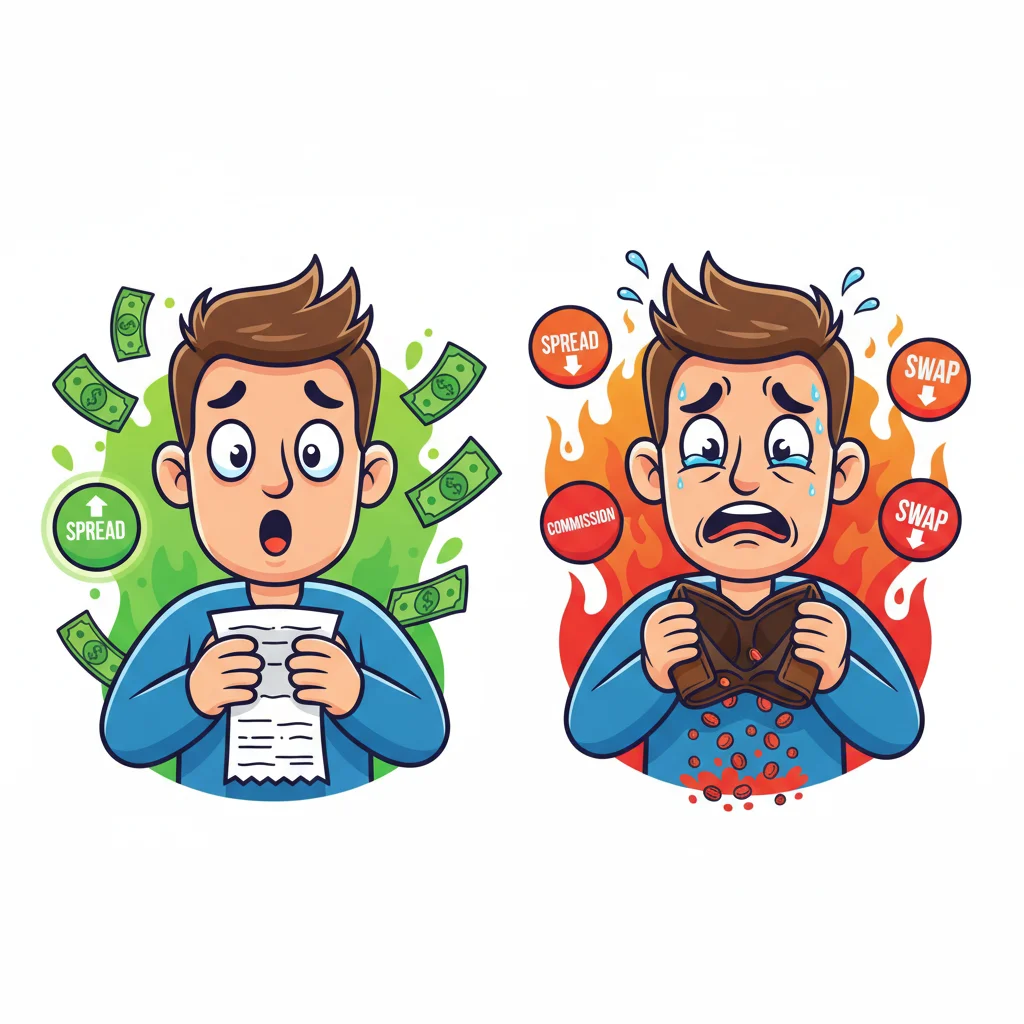
The logo is free. The spread is where they make money. I used to ignore the spread, thinking a few pips didn't matter. On a $10,000 position, a 2-pip spread on EUR/USD is a $20 cost to enter the trade. Do that twice a day, and you've paid $400 in a month just to get in and out.
Let's talk real numbers from my journal. I compared two brokers:
- Broker A (Fancy Logo): 'Zero spread' account. Commission: $7 per lot. Effective cost on EUR/USD: ~0.7 pips + $7.
- Broker B (Simple Logo): Raw spread account. Spread: 0.1 pips. Commission: $3.5 per lot.
On a 2-lot trade, Broker B was consistently $7 cheaper. That adds up. For Nigerian traders, every dollar saved on costs is a dollar that doesn't need to be converted back to Naira at a painful rate.
And don't forget the swap fees. Holding a USD/NGN swap (if you could) or any pair overnight costs money. That fancy logo won't warn you when a negative swap eats your weekly profit. Always check the broker's swap rates page before holding a swing trading position over Wednesday night (when triple swaps are charged).

Example: You buy 1 lot of GBP/USD. The broker's swap rate is -$4.50 per night. Hold it for a week, and you pay $31.50 in financing costs, regardless of whether the trade is profitable. That's real money leaving your account.
“Unlimited use is a trap for 95% of traders. It's a loan you can't afford.”
This is the biggest pain point for Nigerian traders, and no logo can solve it. The CBN's restrictions mean direct bank transfers to international brokers for speculation are a no-go. So how do you fund your account?
The Practical Payment Maze
I've tried them all. Bank cards are largely dead for international payments. Bank transfers to the broker? Blocked. Here's what works:
- E-wallets (Skrill, Neteller, PayPal): Reliable but can have fees of 2-3%. Some brokers even charge extra for deposits via certain e-wallets.
- Cryptocurrency (USDT, Bitcoin): Increasingly common. It's fast and borderless. The catch? Volatility. If you hold USDT waiting to deposit and Bitcoin dumps, the entire crypto market can drag your funding value down.
- Local Processors & Virtual Accounts: Some brokers now integrate with local systems. Others suggest using multi-currency wallets like Grey or Sycamore. You fund the wallet in Naira, convert to USD, then send to the broker. It adds steps and small fees at each stage.
The broker's platform and support matter here, not their logo. Can their support team in Lagos or Abuja guide you through a failed deposit? Do they have clear guides for Nigerian payment methods? I once spent 3 days resolving a Paystack deposit issue with Exness support. Their logo didn't help, but their local support team did.
Withdrawals are the true test. A professional-looking website with a great logo means nothing if your profit is stuck 'processing' for two weeks. Always do a small test withdrawal before you commit serious capital.
“Unlimited use is a trap for 95% of traders. It's a loan you can't afford.”
You stare at the trading platform for hours, not the broker's logo. The tools and execution speed are what make you money.
For most of us, MetaTrader 4 or MetaTrader 5 is the standard. It's familiar, it works, and there are a thousand indicators for it. But is it enough? I found my edge improved when I stopped relying solely on basic MT4 indicators and started using more advanced volume analysis. That required a better platform or add-ons.
This is where the broker's value extends beyond their brand. Do they offer:
- MT5 with Depth of Market? Crucial for seeing real liquidity.
- cTrader? Loved by many for its clean execution and advanced order types.
- Proprietary Platforms? Like xStation or TradingView integration? These can offer superior charting.
The logo is static. The platform's performance is dynamic. I remember a news trade on USD/NGN futures (outside the spot market). My broker's platform froze for 8 seconds on the spike. By the time my order filled, most of the move was gone. I lost potential profit because of technology, not analysis. Now, I check broker reviews for 'execution speed' and 'platform stability' during high volatility. A tool like the MACD indicator is only useful if your platform updates in real time.

Pro Tip: Before funding a live account, open a demo. Test the platform during London open (8 AM GMT) or during a major news event. Does it lag? Do orders get rejected? That's more telling than any brand promise.
💡 Совет Уинстона
Your first withdrawal is the only broker review that matters. If it's smooth, you might have a keeper. If it's a struggle, leave immediately.
“Your trading 'logo' is your consistency, your journal, your rules. That's the only brand that pays.”
Some brokers targeting Nigerians advertise 'unlimited use' as a key selling point, often with a powerful, aggressive logo. Let me be blunt: this is a trap for 95% of traders.
use is a loan. Would you take an unlimited loan to bet on a currency moving a fraction of a cent? That's what you're doing. I used 1:500 use early on. A 20-pip move against me on a standard lot wiped out 50% of my account. The psychology is brutal. The fear of a margin call forces bad decisions.
Here's the math that changed my mind. Let's say you have a $1,000 account.
| use | Max Lot Size (EUR/USD) | Margin Used | 20-Pip Loss | % Account Loss |
|---|---|---|---|---|
| 1:30 | ~0.3 Lots | $33 | $60 | 6% |
| 1:500 | ~5 Lots | $10 | $1,000 | 100% |
At 1:500, a single, small bad trade can end your account. At 1:30, you survive to trade another day. The brokers regulated by top-tier bodies (FCA, ASIC) enforce these lower use limits for a reason: to keep you in the game. The 'unlimited' offer is often from brokers operating under different licenses where client protection rules are less strict.
My rule now? I never use more than 1:50 use, and I use a position size calculator for every single trade. The logo that boasts about high use is often waving a red flag. Discipline with use has saved me more money than any winning trade.
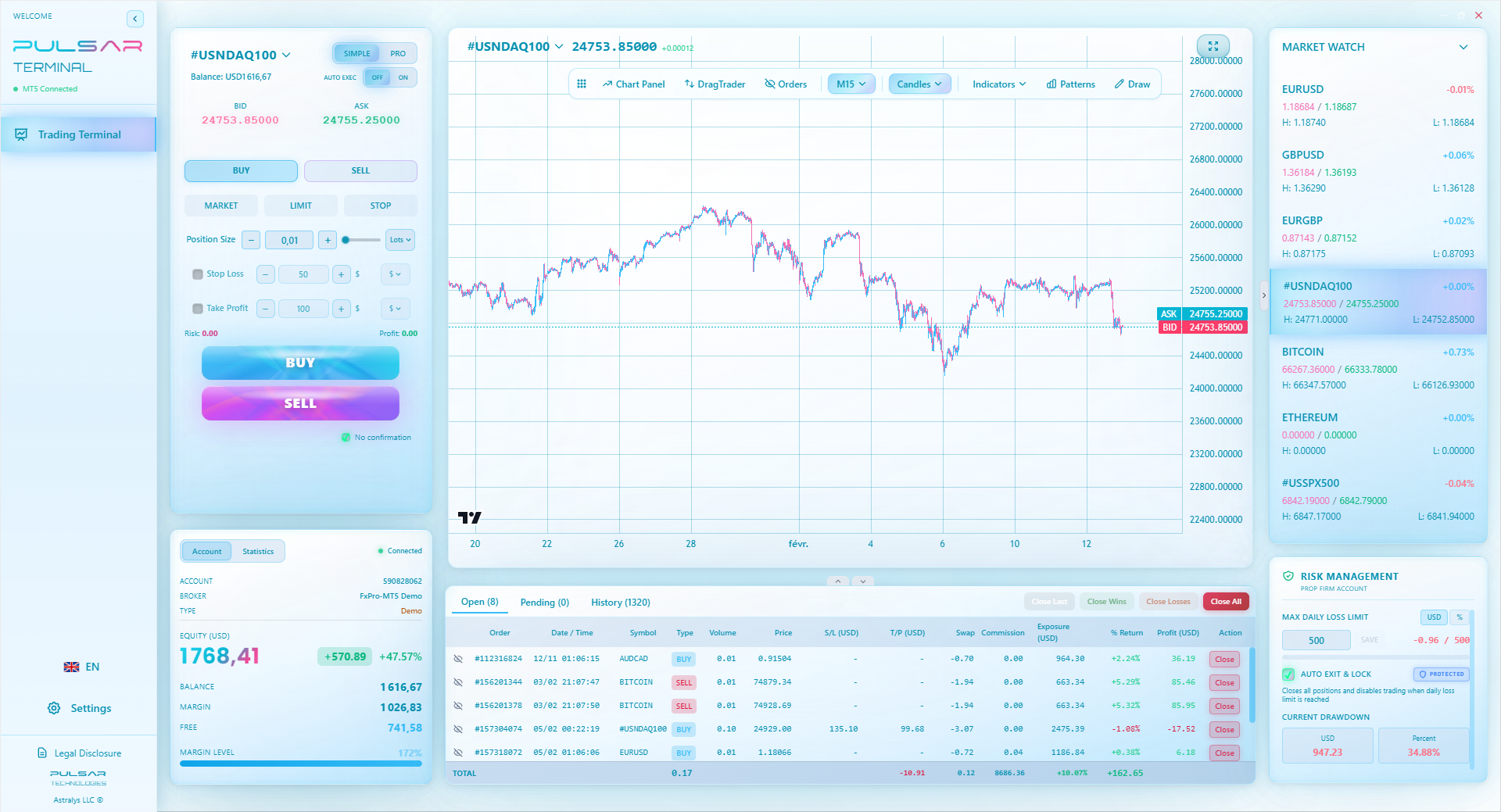
Managing high-leverage risk requires precise order tools, and platforms like Pulsar Terminal add advanced stop-loss and take-profit features directly to your MT5 charts.
Pulsar Terminal
Универсальный инструмент для MT5: drag-and-drop ордера, мульти-TP/SL, трейлинг-стоп, грид-трейдинг, Volume Profile и защита для проп-фирм. Используется 1000+ трейдерами ежедневно.
“Your trading 'logo' is your consistency, your journal, your rules. That's the only brand that pays.”
After years, I realized I was obsessing over the wrong brand. I should have been building mine: my trading journal, my proven strategy, my risk management rules. That's the only brand that pays you.
Your trading 'logo' is your consistency. It's the journal where you note that your scalping strategy works best between 7-9 AM GMT on EUR/USD, but fails miserably on XAU/USD during Asian session. It's the checklist you follow before every trade: Is there news? Is my RSI indicator confirming? Is my stop-loss set?
I used to chase the 'secret' of brokers with the best-looking platforms. Now, I keep it simple. I use a reliable, well-regulated broker as a utility. My edge comes from my work, not their branding. I have a template for my trading journal. I have a pre-market routine. That's my brand identity as a trader.
The broker's logo will change. Their website will get a redesign. Your understanding of the market, your emotional control, and your risk management spreadsheet? Those are permanent. Invest your time there.
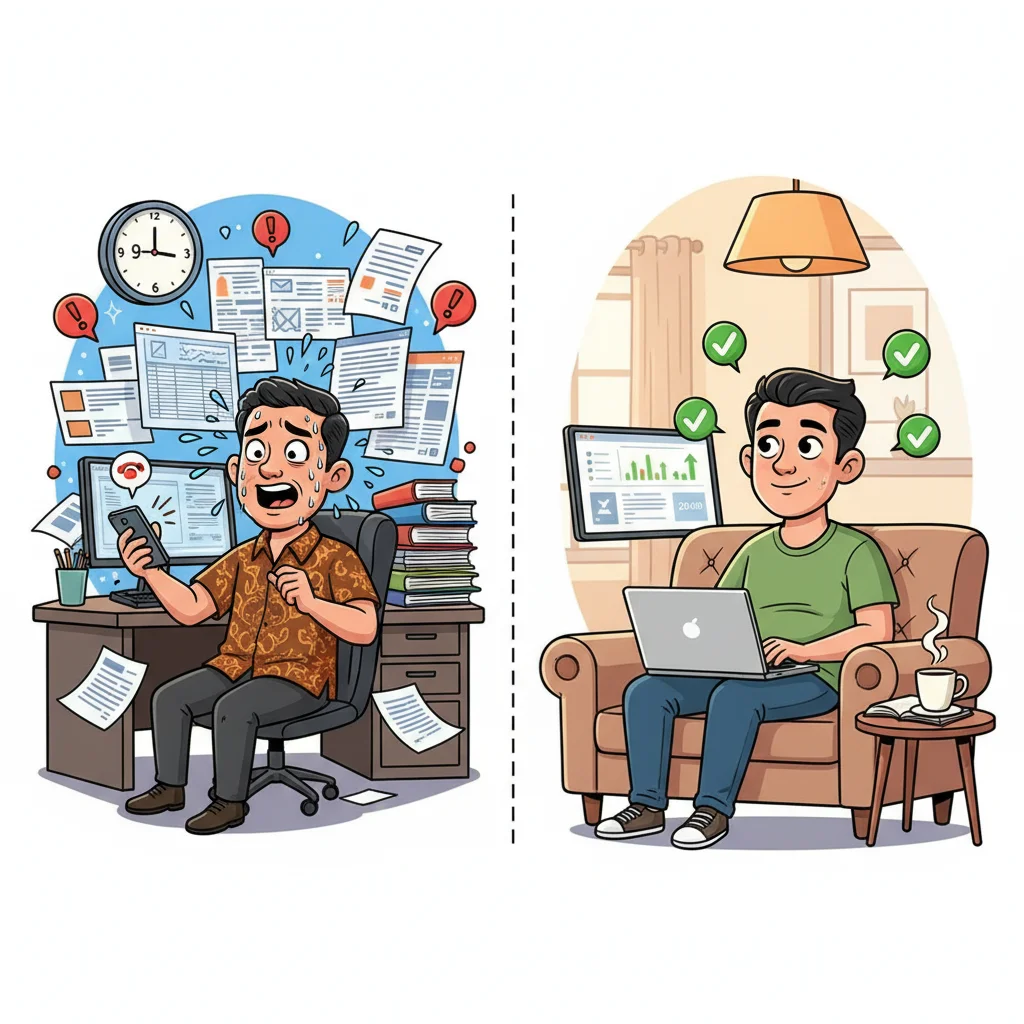
“Ignore the generic 'education' webinars. Focus on spreads, regulation, and withdrawal times.”
Copy this. Use it. This is what you evaluate.
- Regulation: Which Tier-1 regulator (FCA, ASIC, etc.) oversees them? Verify the license number on the regulator's website.
- Spreads & Commissions: For your preferred account type (Standard, Raw, ECN), what is the all-in cost per lot on EUR/USD? Test it on a demo during active hours.
- Deposits/Withdrawals for Nigeria: Do they explicitly support e-wallets (Skrill, Neteller), crypto, or local processors? What are the fees? How long do withdrawals take? Contact support with this question.
- Platform & Tools: MT4/MT5 is standard. Do they offer anything extra (cTrader, good mobile app, VPS services)?
- use Offer: Is it responsibly capped, or absurdly high? Remember, you can choose to use less.
- Customer Support: Do they have a local number or WhatsApp for Nigeria? Send a test email. How fast and helpful is the reply?
- Final Demo Test: Open a demo account. Make 20 trades. Test deposits/withdrawals of fake money. Feel the platform. This is your final exam.
Ignore the logo. Ignore the generic 'education' webinars. Focus on this list. Your first broker might not be your forever broker, but starting with one that ticks these boxes gives you a fighting chance to learn without unnecessary external headaches. The right broker isn't a partner; it's a reliable tool. You are the craftsman.
FAQ
Q1Is forex trading legal in Nigeria?
Yes, it is legal for individuals to trade forex online with their own capital. However, the retail forex market is not directly regulated by the CBN or SEC Nigeria for speculative trading. Nigerian traders use brokers regulated by international authorities like the UK's FCA or Australia's ASIC.
Q2How do I fund my forex trading account from Nigeria?
Due to CBN restrictions on bank transfers for speculation, common methods include e-wallets (Skrill, Neteller), cryptocurrency (USDT is popular), and sometimes local payment processors or multi-currency virtual accounts. Always check your broker's specific deposit options for Nigeria.
Q3Do I pay tax on forex trading profits in Nigeria?
Yes. You are subject to a 10% Capital Gains Tax on your gross forex trading profits. It is your responsibility to declare this income and pay the tax to the Federal Inland Revenue Service (FIRS), regardless of whether your broker is local or international.
Q4What is a good use for a beginner in Nigeria?
Start low. I recommend no more than 1:10 or 1:20 for a true beginner, even if your broker offers 1:500. High use amplifies losses faster than it amplifies gains. It's a major reason new traders blow up their accounts. Use a position size calculator to manage your risk.
Q5What's more important, low spreads or good regulation?
Good regulation, 100%. A broker with tight spreads but shaky regulation can disappear with your money. Always prioritize brokers with strong regulatory oversight (FCA, ASIC). Then, within that pool of safe brokers, compare their spreads and costs.
Q6Can I use TradingView with my broker?
Some brokers offer direct integration, allowing you to execute trades from the TradingView chart. Many do not. If TradingView is essential for your analysis, you'll need to filter for brokers that support it, or use it for analysis and place trades on your broker's separate platform.
Q7Are 'unregulated' brokers ever a good idea?
Almost never. The temporary benefits (like insane use or bonus offers) are massively outweighed by the risk. If you have a dispute or the broker faces financial trouble, you have absolutely no recourse. It's not worth the risk to your capital.
Урок проф. Уинстона
Ключевые выводы:
- ✓Verify the regulator's license number yourself. Don't just trust the broker's website.
- ✓Test withdrawal before depositing large amounts. It's the ultimate stress test.
- ✓Never use more than 2% of your account on a single trade, regardless of use.
- ✓A 20-pip loss at 1:500 use can wipe out a $1,000 account.
- ✓Your broker is a utility. Your edge comes from your own work and discipline.
Насколько полезна эта статья?
Нажмите на звезду
Еженедельные торговые инсайты
Бесплатный еженедельный анализ и стратегии. Без спама.
Об авторе
Olumide Adeyemi
Пионер трейдинга в Западной Африке
Один из самых активных преподавателей форекс-трейдинга в Нигерии. 8 лет торгового опыта из Лагоса. Специализируется на стратегиях с малым капиталом и челленджах проп-фирм для африканских трейдеров.
Комментарии
Предупреждение о рисках
Торговля финансовыми инструментами сопряжена со значительным риском и может не подходить всем инвесторам. Прошлые результаты не гарантируют будущих доходов. Данный контент носит исключительно образовательный характер и не является инвестиционной рекомендацией. Всегда проводите собственное исследование перед торговлей.
Вам также может понравиться

Cara Trading Forex Sukses: 7 Prinsip dari Trader Profesional
Cara trading forex sukses dengan 7 prinsip trader pro: manajemen modal, disiplin, journal trading, backtest. Data nyata, bukan janji profit palsu.
Jam Trading Forex Terbaik untuk Trader Indonesia: Panduan Lengkap dengan Tabel Waktu
Panduan jam trading forex untuk trader Indonesia. Tabel 4 sesi dunia, jam emas 20:00-00:00, sesi mana yang harus dihindari. Data akurat + tips dari trader berpengalaman.
Top 5 Sàn Forex Uy Tín Nhất 2026: Review Jujur dari Trader Indonesia
Top 5 sàn forex uy tín 2026 untuk trader Indonesia. Review jujur: spread, deposit, withdraw, dukungan lokal. Exness, XM, IC Markets & lebih.
Скачать Pulsar Terminal
Все эти калькуляторы встроены в Pulsar Terminal с данными в реальном времени с вашего счёта MT5.
Скачать Pulsar Terminal