


I remember staring at my screen on March 26, 2026.
Rajesh Sharma
Старший форекс-аналитик ·  India
India
☕ 12 мин чтения
Что вы узнаете:
- 1The Basics: What Is a Stock Index, Really?
- 2The Indian Indices You Actually Need to Know
- 3Why Trade Indices Over Individual Stocks?
- 4How to Actually Trade Indices in India: The Nuts and Bolts
- 5The Real Costs, Fees, and Taxes (2026 Update)
- 6Practical Strategies and the Risks No One Talks About
- 7Choosing a Broker and Platform in India
- 8Looking Ahead: The Future of Indian Index Trading

I remember staring at my screen on March 26, 2026. The Nifty 50 had just slumped 3.3% in a single session, its worst day in nearly two years. My phone was buzzing with panicked messages from a group I mentor. One guy had a short position he’d held too long, another was getting margin calls on his futures. That day wasn't about individual stocks. It was about the index - the collective heartbeat of the market - telling a story of fear and rising input costs. It’s moments like these that make you truly understand what are indices in trading. They’re not just numbers on a screen; they’re the ultimate mood ring for the economy, and in India, trading them is a whole different ball game.
Let's cut through the textbook definitions. A stock market index is a basket. Think of it like a thali at a good restaurant. You don't order each sabzi separately; you get the whole platter that represents the meal. An index does the same for the market. It takes a selection of stocks - like the 30 giants in the Sensex or the 50 in the Nifty - and blends their prices into one single, trackable number.
Its main job? To be a benchmark. When someone asks, "How's the market doing?" they're almost always asking about the index. Is the Nifty up? Sentiment is probably positive. Is the Bank Nifty crashing? There's trouble in the financial sector. For us traders, it's our primary dashboard. I stopped trying to track 50 stocks individually years ago. I watch the Nifty. If it's strong, I look for strong stocks within it. If it's weak, I'm extra cautious with any buy, no matter how good the individual chart looks. It's the tide that lifts or sinks all boats.
You can't directly buy "the Nifty" like you buy a share of Reliance. You need a vehicle. That's where derivatives (futures and options) and ETFs come in. These products are how you place a bet on the direction of the entire basket.

💡 Совет Уинстона
Stop looking for the next hot stock for a week. Just watch the Nifty 50 chart. Every day, ask: 'Is it above or below its 20-day average? Is it making higher highs?' Master reading this one chart first. Everything else is noise.
Forget trying to follow everything. In India, your trading screen should have these three indices on watch, always.
The Big Two: Nifty 50 and Sensex
The Nifty 50 is my go-to. It's 50 of the largest and most liquid stocks across sectors on the National Stock Exchange (NSE). Launched in '96, it's more diversified than the Sensex and is the underlying for most derivatives activity. When people talk about "the market," especially in F&O, they mean Nifty.
The Sensex (S&P BSE Sensex) is the old guard. Started in 1986, it tracks 30 blue-chip companies on the Bombay Stock Exchange (BSE). It's iconic, often quoted in the news, but for pure trading liquidity, Nifty derivatives are where the action is.
The Sector Tell: Nifty Bank
If you trade anything in the financial space, you must watch Nifty Bank. It tracks the 12 most liquid banking stocks. Banks are the backbone of the economy, and this index is a volatility powerhouse. I've had some of my biggest wins and most humbling losses here. A move in Nifty Bank often leads or exaggerates a move in the main Nifty index.
The Next in Line: Nifty Next 50
This is your hunting ground for future leaders. The Nifty Next 50 contains the 50 companies that are just below the Nifty 50 in terms of market cap. It's less traded via derivatives but is a fantastic benchmark for mid-cap sentiment. If Nifty is flat but the Next 50 is rallying, it tells you money is rotating into growth.

Example: Let's say Infosys and HDFC Bank have a bad day. They have big weights in the Nifty (around 10% combined). Their fall will drag the entire index down, even if 48 other stocks are green. That's the power of an index - it's weighted, not a simple average.
“Indices are the tide that lifts or sinks all boats. Fighting the tide is a sure way to lose money.”
Early in my career, I was a stock picker. I'd spend hours finding the "perfect" setup in some mid-cap stock. Then, some random news about the RBI governor would hit, the Nifty would gap down 200 points, and my beautiful stock chart would get obliterated. That's when I got it.
Trading indices, primarily through their futures and options, gives you pure, undiluted exposure to market direction. You're trading the economy's story, not a single company's CEO scandal or product launch. The liquidity is insane, especially in Nifty and Bank Nifty options. You can get in and out of large positions without moving the market against yourself, which is harder with smaller stocks.
It also simplifies your life. One chart. One set of news to follow (macro data, RBI policy, global flows). Not ten different company earnings reports. For a swing trading approach based on broader trends, it's incredibly efficient.
But here's the honest downside, and it's a big one for smaller accounts: the capital required. With the new SEBI rules, the contract size for index futures is huge. We're talking a minimum contract value of ₹15-20 lakhs for new contracts. This has pushed a lot of retail traders into options, which brings its own set of complexities and risks. It's a different beast.
This is where theory meets your brokerage account. You've got three main paths.
1. Index Futures & Options (F&O): This is the professional's playground. You're trading a contract that derives its value from the index. A Nifty futures contract obligates you to buy or sell the index at a set price on a future date. Options give you the right, but not the obligation. The liquidity here is the best in the country.
My Mistake to Learn From: In 2024, I sold a Nifty 20,000 Call option, thinking the rally was exhausted. I was right on direction, but I underestimated the volatility. The premium exploded as the market squeezed higher, and my unlimited risk short option position blew through my stop loss. I lost ₹1.2 lakh in a matter of hours. The lesson? Index options can move violently. Always define your risk, especially on the sell side.
2. Index ETFs: Think of these as mutual funds that trade like a stock. You buy a share of, say, the Nippon India ETF Nifty 50 BeES, and it mirrors the index's performance. It's perfect for long-term, passive investing. No expiry dates, no complex options strategies. Just buy and hold. The tax treatment for holdings over a year is favorable (10% LTCG above ₹1 lakh).
3. Index Mutual Funds: Similar to ETFs but bought and sold at the day's closing NAV through a fund house. Better for SIPs (Systematic Investment Plans).
For active trading, F&O is the tool. But you must respect it. Before you place a trade, run the numbers through a position size calculator. The use is seductive but dangerous.
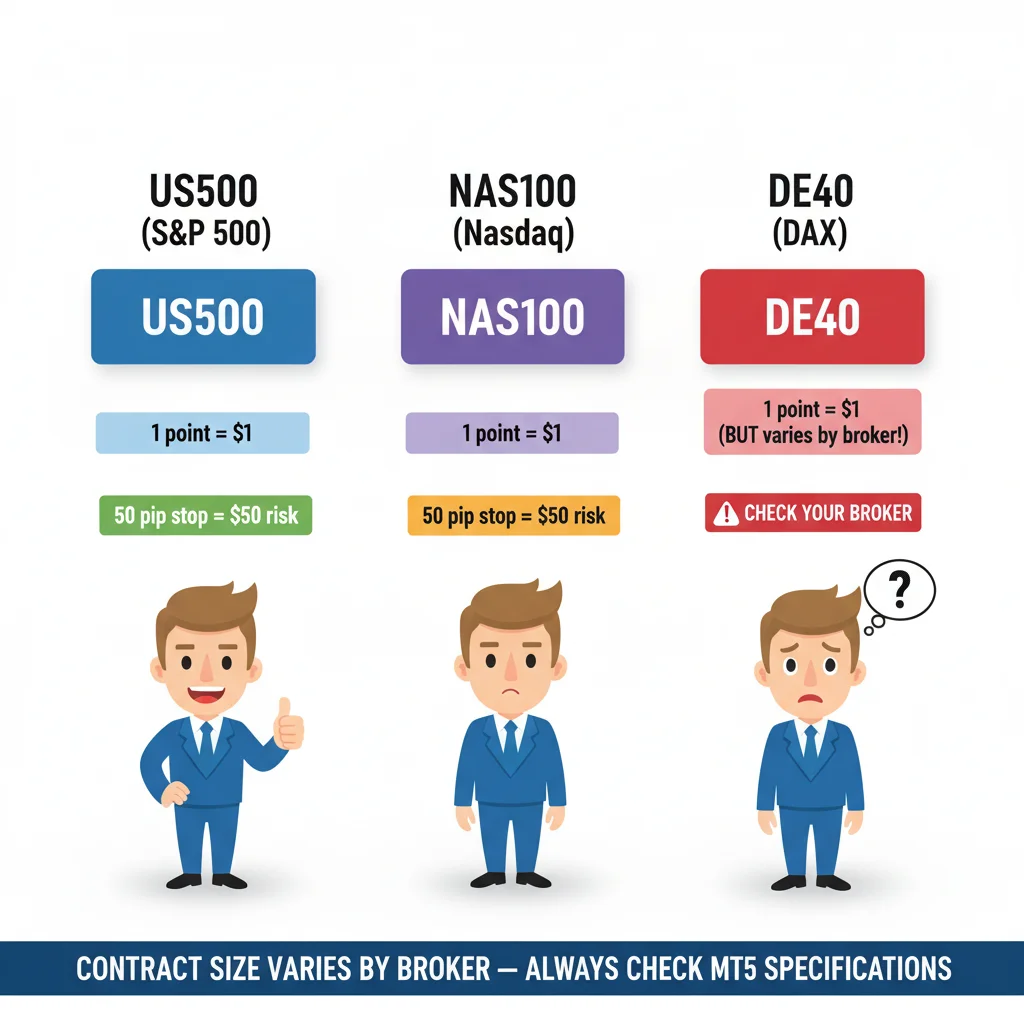
“The new SEBI rules mean you need more capital and better risk management to play the F&O game. The era of punting with pocket change is fading.”
Brokerages advertise "flat ₹20 trades," but that's just the start. If you don't factor in all costs, you're trading blind. Here’s what eats into your P&L on a ₹10 lakh Nifty futures trade:
| Cost Component | Approximate Charge | Who Charges It |
|---|---|---|
| Brokerage | ₹20 (flat) | Your Broker (e.g., Zerodha, Upstox) |
| Exchange Transaction Charge | ~₹30.70 (0.00307%) | NSE/BSE |
| SEBI Turnover Fee | ₹0.50 (₹5 per crore) | SEBI |
| Stamp Duty | ~₹100 (varies by state) | State Government |
| GST (on brokerage + charges) | 18% on the above fees | Government |
The Big One: Taxes. This is critical.
- F&O Trading Profits: All your gains from trading index futures and options are treated as "Speculative Business Income." There's no fancy 15% short-term rate here. Your total net profit from F&O for the year gets added to your income and taxed at your slab rate (could be 30% or more). Losses can only be set off against other speculative income, not your salary.
- ETF/Long-Term Holding: Hold an index ETF for over 12 months? Gains above ₹1 lakh in a financial year are taxed at 10% (LTCG). Under 12 months, it's 15% (STCG). Much cleaner.

Warning: The new upfront premium collection rule (from Feb 2025) is a game-changer for option buyers. You need the cash to pay the full premium at trade entry. No more buying deep OTM options with tiny margin. It's killed a lot of lottery-ticket style trading, which is probably a good thing.
💡 Совет Уинстона
Add up all the fees and taxes from your last 10 index F&O trades. I promise the total will shock you. If it's more than 10% of your net profit, your strategy is just feeding the system. You need bigger winners or fewer trades.
Let's talk about how I use indices now, after my early disasters.
Strategy 1: The Index as a Filter. This is my number one rule. I will not take a long position in any stock if the Nifty is trading below its key moving average (like the 20 or 50 EMA) and is in a clear downtrend. The index trend is the higher-probability bet. Fighting it is a sure way to lose money. I use the same concept in reverse for shorts.
Strategy 2: Sector Rotation via Sectoral Indices. I don't guess which IT stock will lead. I watch the Nifty IT index. If it's breaking out with strong relative strength against the Nifty, I'll then look for the strongest stock within that index to trade. The index confirms the sectoral trend first.
Strategy 3: Simple Options Hedging. If I have a portfolio of long stocks, I might buy a slightly OTM Nifty Put option ahead of a big event like the budget. It's an insurance premium. If the market crashes, the put's value spikes, offsetting some of the stock losses.
The Real Risks:
- use & Margin Call Risk: Index futures use significant use. A 1% move against you on a ₹20 lakh contract is ₹20,000 gone. Your broker will issue a margin call if your losses eat into the required margin, and if you can't fund it, they'll square off your position at a loss.
- Gap Risk: Indices can open sharply up or down based on global news (US markets, crude prices). Your stop loss from yesterday's close is useless. You get filled at the open, often at a much worse price.
- Expiry Day Chaos: The last Thursday of every month (for monthly contracts) is volatile. The scalping activity is frenetic as traders square off positions. I avoid holding large directional bets into the last hour unless I'm very confident.
Managing these risks is about discipline. A tool that automates this discipline is useful. For instance, setting a trailing stop on a winning futures trade removes emotion.
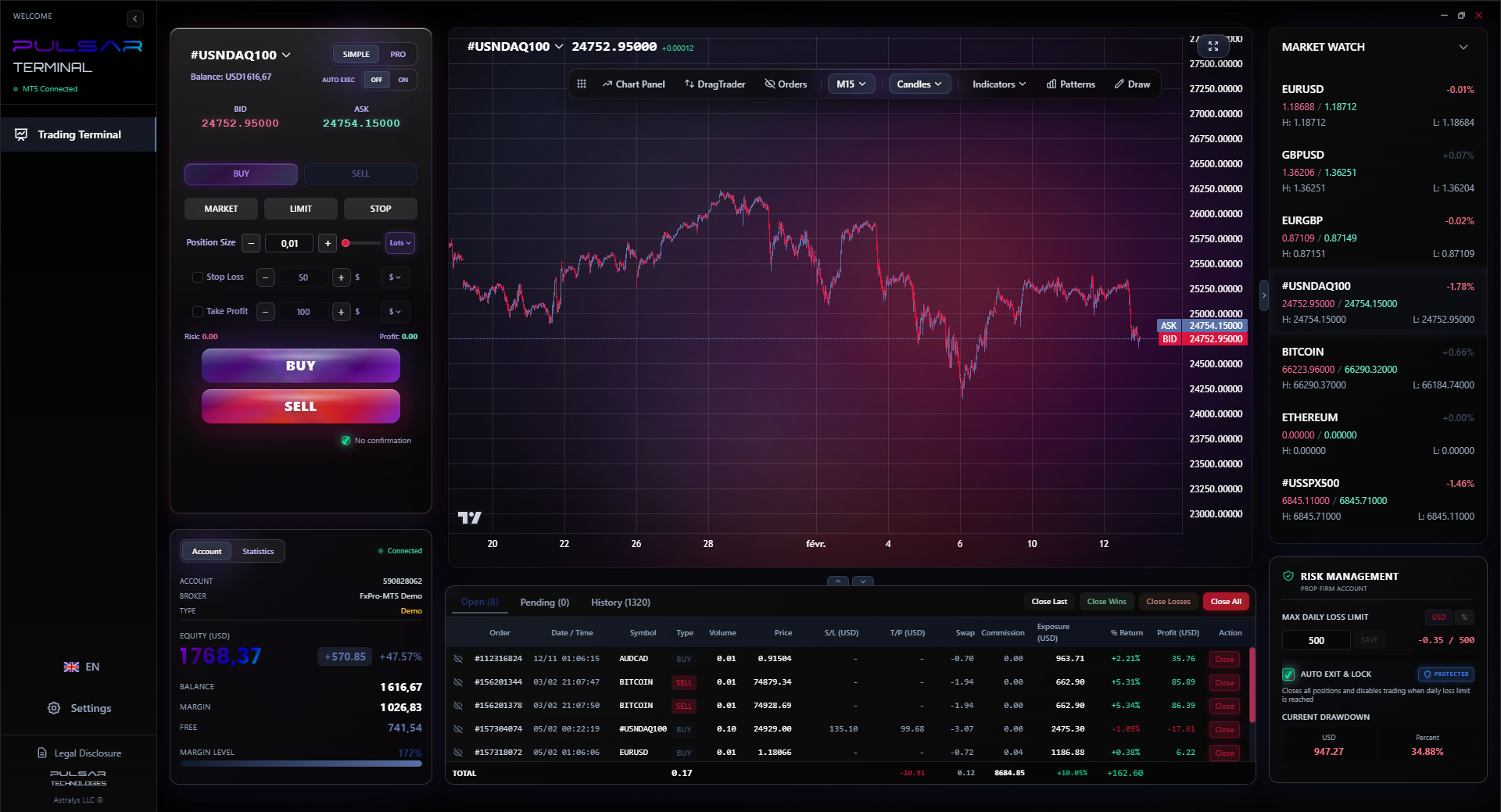
Managing the risks of index trading requires iron-clad discipline, especially with stops and position sizing, which is where a tool like Pulsar Terminal automates these rules directly on your MT5 platform.
Pulsar Terminal
Универсальный инструмент для MT5: drag-and-drop ордера, мульти-TP/SL, трейлинг-стоп, грид-трейдинг, Volume Profile и защита для проп-фирм. Используется 1000+ трейдерами ежедневно.
“Your total net profit from F&O gets added to your income and taxed at your slab rate. There's no 15% shortcut here.”
Your broker is your gateway. For index trading in India, you need two things above all: rock-solid technology during high volatility, and clear, transparent pricing.
Local Brokers: Platforms like Zerodha's Kite and Upstox dominate for a reason. They're built for the Indian market, have reliable APIs, and their flat-fee structure (₹20 per executed F&O order) is simple. Angel One and 5paisa are also strong contenders with good platforms. They all integrate seamlessly with Indian payment systems like UPI and Net Banking.
Funding Your Account: This has gotten easier. The new UPI block mechanism (like what Paytm supports) is brilliant. Your money stays in your bank account until the trade executes, then it's debited. No more parking large sums with the broker.
International Brokers: Some traders use brokers like IC Markets or Pepperstone to trade global indices like the US Dow Jones or Germany's DAX. This is great for diversification, but remember the currency risk (INR vs. USD) and time zone differences.
My advice? Start with a major local broker. Get comfortable with the Indian market rhythms, the news flow, and the unique quirks of our indices. Their platforms are more than good enough. Once you have a solid track record, then consider branching out to international products if it fits your strategy.

Pro Tip: Don't get sucked in by fancy platform features you'll never use. Test the platform during a live market hour (like at 9:15 AM). Can you place, modify, and exit an order quickly? That's the only test that matters when Nifty is moving 100 points in 5 minutes.
💡 Совет Уинстона
Before you trade a banking stock, pull up the Bank Nifty chart. If Bank Nifty is in a clear downtrend, you are swimming against a tsunami by going long on any bank. The index is telling you the sector's story. Listen.

The landscape is changing fast, and it's getting more regulated (which is mostly good for stability).
SEBI is clearly trying to curb excessive retail speculation in derivatives. The increased contract sizes, upfront option premiums, and intraday monitoring of position limits (from April 2025) are all nudges towards a more institutional market. For the retail trader, this means you need more capital and better risk management to play the F&O game.
The proposed rules on index composition (minimum 14 stocks, no single stock over 20% weight) aim to prevent indices from being manipulated by a few heavyweights. This would make benchmarks like Nifty even more strong.
Where does this leave you? The era of punting on weekly expiry options with pocket change is fading. The future is about treating index trading as a serious capital allocation. It means using indices for what they're best at: capturing macroeconomic trends, hedging portfolios, and executing defined, risk-managed strategies.
It might sound less exciting than the old ways, but trust me, consistent, boring profits are far more exciting than spectacular blow-ups. Focus on understanding the correlation between indices, use them as your primary trend filter, and always, always know your exact risk before you hit the buy button. That's how you build a career in this market, not just place a bet.
FAQ
Q1What is the difference between Sensex and Nifty?
Sensex is the older index from the BSE with 30 stocks. Nifty 50 is from the NSE with 50 stocks and is generally more diversified and liquid, especially for derivatives trading. Most active traders focus on Nifty.
Q2Can I start trading indices with a small amount of money in India?
It's very difficult to trade index futures directly with small capital due to the high contract size (₹15-20 lakhs minimum). Your main route is through index options, where your risk is limited to the premium paid, or through ETFs where you can buy a single unit. However, options trading is complex and risky for beginners.
Q3How are profits from trading Nifty futures taxed?
All profits from trading index futures and options are classified as 'Speculative Business Income' in India. They are added to your total annual income and taxed at your applicable income tax slab rate (which can be up to 30%+). You cannot benefit from the 15% short-term capital gains tax.
Q4What is the best way for a beginner to invest in an index?
The simplest and safest way is through an Index ETF (Exchange Traded Fund) like the Nifty 50 BeES. You can buy it like a stock in your demat account and hold it for the long term. It's passive, low-cost, and has clearer tax implications (10% LTCG after one year).
Q5Why is Bank Nifty so volatile?
Bank Nifty tracks only banking stocks, which are highly sensitive to interest rate changes (RBI policy), economic growth forecasts, and news about bad loans (NPAs). This concentrated sector exposure, combined with high use in the banking business itself, leads to much larger price swings compared to the broader Nifty 50.
Q6What does 'contract size' mean for index futures?
Contract size is the monetary value of one futures contract. If Nifty is at 22,000 and the lot size is 50 (the multiplier), the contract value is 22,000 x 50 = ₹11,00,000. You need to deposit a margin (a fraction of this value) to trade it. SEBI has increased the minimum contract value for new contracts to curb speculation.
Q7Is it better to trade indices or individual stocks?
It depends on your style. Indices let you trade the overall market direction with high liquidity and less company-specific risk. Individual stocks offer higher potential returns (and losses) from a single company's performance. Many traders use the index trend as a filter before trading stocks.
Урок проф. Уинстона
Ключевые выводы:
- ✓The index trend is your #1 filter. Never fight it.
- ✓F&O profits are taxed as income, not capital gains.
- ✓New contract sizes require serious capital (₹15-20L).
- ✓Bank Nifty moves 2-3x faster than Nifty 50.
- ✓Total trading costs often exceed 10% of small profits.
Насколько полезна эта статья?
Нажмите на звезду
Еженедельные торговые инсайты
Бесплатный еженедельный анализ и стратегии. Без спама.
Об авторе
Rajesh Sharma
Старший форекс-аналитик
Более 10 лет торгует на индийских и южноазиатских рынках. Начинал с валютных деривативов на NSE, затем перешёл на международный форекс. Специализируется на USD/INR и парах развивающихся рынков.
Комментарии
Предупреждение о рисках
Торговля финансовыми инструментами сопряжена со значительным риском и может не подходить всем инвесторам. Прошлые результаты не гарантируют будущих доходов. Данный контент носит исключительно образовательный характер и не является инвестиционной рекомендацией. Всегда проводите собственное исследование перед торговлей.
Вам также может понравиться

Cara Trading Forex Sukses: 7 Prinsip dari Trader Profesional
Cara trading forex sukses dengan 7 prinsip trader pro: manajemen modal, disiplin, journal trading, backtest. Data nyata, bukan janji profit palsu.
Jam Trading Forex Terbaik untuk Trader Indonesia: Panduan Lengkap dengan Tabel Waktu
Panduan jam trading forex untuk trader Indonesia. Tabel 4 sesi dunia, jam emas 20:00-00:00, sesi mana yang harus dihindari. Data akurat + tips dari trader berpengalaman.
Top 5 Sàn Forex Uy Tín Nhất 2026: Review Jujur dari Trader Indonesia
Top 5 sàn forex uy tín 2026 untuk trader Indonesia. Review jujur: spread, deposit, withdraw, dukungan lokal. Exness, XM, IC Markets & lebih.
Скачать Pulsar Terminal
Все эти калькуляторы встроены в Pulsar Terminal с данными в реальном времени с вашего счёта MT5.
Скачать Pulsar Terminal