


I lost NGN 120,000 in a single trade not because my analysis was wrong, but because my platform froze during a crucial Naira news release.

Olumide Adeyemi
Nhà tiên phong Giao dịch Tây Phi ·  Nigeria
☕ 12 phút đọc
Bạn sẽ học được:
- 1What Makes a Platform 'Best' for Nigeria? It's Not What You Think
- 2Broker & Platform Showdown: MT4, MT5, and the Contenders
- 3The Real Costs: Looking Beyond the Advertised Spread
- 4Deposits & Withdrawals: The Nigerian Reality Check
- 5Essential Platform Features You Actually Need
- 6My Personal Journey: A Platform Evolution
- 7Final Verdict & Recommendations for 2026

I lost NGN 120,000 in a single trade not because my analysis was wrong, but because my platform froze during a crucial Naira news release. The chart just stopped updating for 45 seconds. By the time it came back, my stop-loss had been obliterated by a massive slippage spike. That painful lesson cost me real money and taught me that in Nigeria, the 'best' platform isn't just about fancy indicators. It's about stability with our internet, seamless deposits despite bank restrictions, and execution you can trust when volatility hits. Let me walk you through what I've learned the hard way.
When you're searching for the best forex trading platform, you'll see a lot of ads about lightning-fast execution and zero spreads. That's all great, but it's only half the story for us here. The real test comes down to three local realities: connectivity, cash flow, and compliance.
First, our internet can be... let's say, temperamental. A platform that needs a constant, perfect connection to function is a liability. I need one that caches data well, has a reliable mobile app for when the power goes out (again), and doesn't require a full refresh every time my network blinks. WebTrader platforms from brokers like XM or Exness often handle this better than a heavy desktop application during peak load times.
Second, can you actually fund the thing? This is the biggest hurdle. Many Nigerian banks have those brutal international spending limits - sometimes as low as $20 a month on your Naira card. The best forex trading platform for you is one offered by a broker with solid local payment options. I look for brokers that offer direct NGN accounts or partner with local payment processors. If you have to fight with your bank every time you want to deposit, you'll miss opportunities and the frustration will bleed into your trading decisions.
Finally, there's the regulatory shift. The Investments and Securities Act (ISA) 2025 changed the game. It's now an offense for an unregistered entity to operate a forex platform here. While we can still use internationally regulated brokers, the landscape is tightening. Choosing a broker with a clear, compliant operational history is no longer just wise, it's becoming essential for the safety of your capital.

💡 Mẹo của Winston
Your first platform test: Open a demo account and try to place and modify 10 trades in 60 seconds during the London open. If it chokes or lags, it will fail you when real money is on the line.
“The 'best' platform for Nigeria isn't about zero spreads; it's about zero hassle getting your Naira in and out.”
Let's get specific. You'll mostly be choosing between the MetaTrader environment and a broker's proprietary platform. Here’s my take, based on logging thousands of hours on both.
The MetaTrader Dynasty (MT4/MT5)
For most Nigerian traders, MT4 or MT5 is the default, and for good reason. They're stable, familiar, and every broker supports them. The expert advisor (EA) community is massive, which is great if you're into automation. But they're not perfect. The interface feels dated, and setting up complex order types can be clunky.
Brokers like IC Markets and Pepperstone offer raw spread accounts on MT4/MT5 with spreads as low as 0.0 pips on majors (plus a small commission). That's where the real value is for active traders. I once scalped the EUR/USD on IC Markets' MT5 platform during the London open; the 0.1 pip average spread saved me a significant amount in costs over 20 trades.

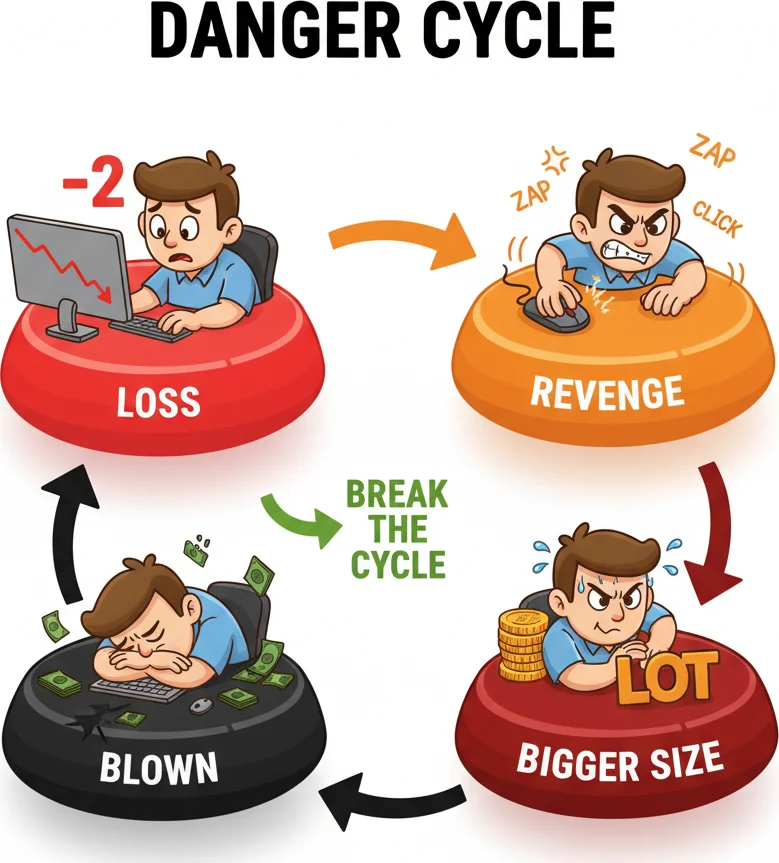
Warning: Don't get seduced by brokers offering 'unlimited use' on MT4/MT5. It's a quick path to a margin call. I learned this early on with a broker offering 1:1000. A small NGN 20,000 account turned to zero in two bad trades. High use amplifies both gains and losses.
The Proprietary Platform Challenge
Brokers like XTB and Capital.com have invested heavily in their own platforms. They're often slicker, with better integrated news and education. For a beginner, this can be less overwhelming. AvaTrade's platform, for instance, has great visual tools for understanding risk.
The catch? You're locked into that broker. If their spreads widen or service dips, you can't just take your beloved custom indicators and move to another broker like you can with MT4/MT5. Also, check their mobile app reviews on the Nigerian Google Play Store. See if users complain about frequent disconnections or login issues.
The Hybrid Approach
This is what I use now. I execute on a strong MT5 platform from a low-cost broker (for the tight spreads), but I use a separate advanced charting tool for analysis. It splits the workload and means my execution platform isn't slowed down by 20 open charts and indicators.
“I lost NGN 120,000 because my chart froze. The platform's stability is part of your risk management.”
That '0.0 pip spread' banner is a headline act, but the real show is in the hidden fees. Let's break down what actually eats into your profits.
The Spread & Commission Combo: This is the main cost. You need to look at them together. For example:
| Broker/Account Type | Avg. EUR/USD Spread | Commission (per lot) | Total Cost for 1 Standard Lot* |
|---|---|---|---|
| Broker A 'Standard' | 1.2 pips | $0 | $12.00 |
| Broker B 'Raw' | 0.1 pips | $7 round turn | $7.10 |
*1 pip = $10 for a standard lot. Cost = (Spread in pips x $10) + Commission.
As you can see, the 'zero spread' account is often cheaper for active trading. But if you're a longer-term swing trader placing few trades, a commission-free account with a slightly higher spread might be simpler and cost-effective.
The Naira Conversion Trap: This one stung me. You deposit NGN 100,000. The broker converts it to USD at their own rate, which might be 2-3% worse than the official market rate (remember, the NFEM rate was about N1,380/$ in early 2026). On that NGN 100k, that's an instant NGN 2,000-3,000 loss before you even place a trade. Always check if the broker offers a true NGN-denominated account where your profit/loss is in Naira, like some accounts from HFM. It removes the conversion risk.
Inactivity Fees: Life gets busy. If you don't trade for 3 months (sometimes less), many brokers will start charging a monthly fee, often $5-$15. It's a small thing, but it adds up and feels like a penalty for being careful and waiting for your setup.
Withdrawal Fees: The final bite. Some brokers charge $20-$30 per withdrawal. Others offer one free withdrawal per month. This makes a huge difference if you're drawing out profits regularly. Always, always read the fee schedule.

Example: Let's say you make a 50 pip profit on a standard lot of GBP/USD. That's $500. But if you paid a 1.5 pip spread (instead of 0.5) and a $25 withdrawal fee, your real take-home is reduced by about $35. That's 7% of your profit gone to costs. Use a position size calculator that includes commission to see the true break-even point.
💡 Mẹo của Winston
The 'Naira Conversion Fee' is a silent account killer. Always seek out true NGN-denominated accounts to keep your profit math simple and predictable.
“I lost NGN 120,000 because my chart froze. The platform's stability is part of your risk management.”
This is the make-or-break section. Your brilliant trading strategy is useless if you can't fund your account or access your winnings. Here’s the lay of the land in 2026.
The Bank Card Blockade: It's real. Most Nigerian banks have systems that flag transactions to known international brokerages. I've had transactions to even well-regulated brokers like Pepperstone declined instantly with a vague 'security' message. The monthly international spend limits (that $20-$50 range) make it impossible for serious trading anyway.
The Reliable Alternatives:
- Local Bank Transfer: The gold standard. Brokers like Exness and HFM have local Nigerian companies that provide you with Naira account details. You transfer NGN from your bank app to theirs, and it reflects in your trading account, often within 2 hours. No forex conversion, no international blocks.
- E-Wallets (Neteller, Skrill): These act as a middleman. You fund your e-wallet (which can be tricky itself), then transfer to the broker. Fees are higher, but it bypasses bank blocks. Withdrawal back to your Nigerian bank account from the e-wallet can take days and involve more fees.
- Cryptocurrency: Increasingly popular. You buy USDT from a local P2P platform, send it to the broker's crypto wallet. It's usually fast and avoids banks entirely. The volatility of crypto itself is a new risk to manage, and broker conversion rates apply.
My Process Now: I only use brokers offering local NGN bank transfers. The peace of mind is worth it. I once waited 9 days for a Skrill withdrawal during a holiday period. Never again. When you profit, you want your money, not excuses.

Pro Tip: Before you deposit a large amount, do a test withdrawal. Deposit a small sum (NGN 5,000-10,000), trade it minimally, then immediately request a withdrawal back to your preferred method. This tests the entire pipeline and reveals any hidden fees or delays.
“High use isn't a feature; it's a trap for the impatient.”
Forget the 100+ indicator bundles. Focus on these core functionalities that impact your P&L directly.
One-Click Trading & Order Execution: Can you enter and exit a trade with a single click? When the XAU/USD is moving fast on US CPI news, dragging a limit order line is too slow. You need to hit a button and be in. Test this on a demo account. Is there lag between your click and the order pop-up?
Advanced Order Types:
- Trailing Stop-Loss: This is non-negotiable for letting profits run. It should be easy to attach and adjust.
- Stop-Loss & Take-Profit on Pending Orders: You must be able to set your risk upfront when placing a buy-stop or sell-limit order.
- Partial Close Functionality: This changed my risk management. If a trade goes 50% in my favor, I can close half the position, bank some profit, and let the rest ride risk-free. Not all platforms make this simple.
Charting Tools: You need clean, fast charts. The ability to draw trendlines, Fibonacci retracements, and support/resistance lines quickly is key. Also, check the platform's economic calendar integration. Seeing news events directly on the chart saves time.
Mobile App Performance: This is your backup system. The app must be stable. Can you reliably modify orders? I've closed trades from my phone during a 'hold-up' in Lagos traffic more times than I care to admit. If the mobile app is buggy, the platform fails the Nigerian resilience test.
Honestly, most basic platforms lack elegant tools for partial closes or multi-level take-profits. That's where advanced trading terminals that plug into MT4/MT5 come in, offering drag-and-drop order management far beyond the native platform.
💡 Mẹo của Winston
Build a two-device habit: your main setup on a computer, and a fully logged-in mobile app as your emergency exit. In Nigeria, you always need a backup plan.
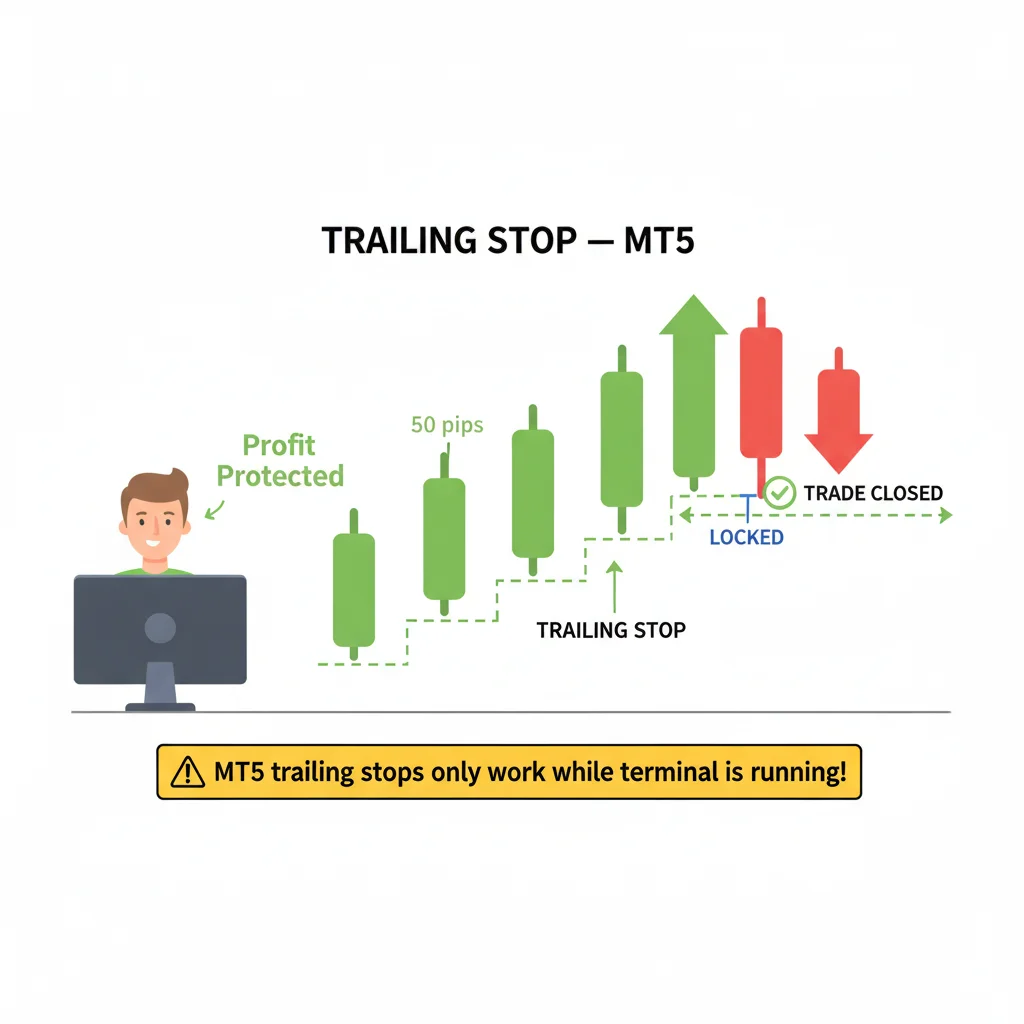
Manually managing partial closes and trailing stops on a basic platform is slow and emotional; a tool like Pulsar Terminal automates this directly on your MT5, turning complex risk management into a single click.
Pulsar Terminal
Công cụ MT5 tất-cả-trong-một: đặt lệnh kéo-thả, multi-TP/SL, trailing stop, grid trading, Volume Profile và bảo vệ prop firm. Hơn 1.000 trader sử dụng mỗi ngày.

“High use isn't a feature; it's a trap for the impatient.”
I started like everyone else. A cheap laptop, a free MT4 account from a broker with flashy ads, and a dream. My first major loss, that NGN 120,000 disaster, was on that platform. The requotes were constant, the spreads ballooned at 3 PM Lagos time, and the support was non-existent.
I switched to a more reputable international broker, using their proprietary platform. It was beautiful. But the spreads were embedded and high - averaging 1.8 pips on EUR/USD. I was winning on direction but losing on costs. My scalping strategy was impossible.
My current setup, refined over 5 years, is this:
- Primary Broker & Platform: An IC Markets Raw Spread account on MT5. The execution is stellar, and the costs are transparent. I fund it via a local partner bank transfer.
- Analysis: I do my main chart analysis on a separate professional charting software. I keep my MT5 platform clean - just a few charts for execution.
- Risk Management: I use a separate terminal app connected to my MT5 that automates my trailing stops and allows me to set multiple take-profit levels with a single click. It protects me from my own hesitation.
The lesson? The 'best' platform is a hybrid system that gives you institutional-grade execution (tight spreads, fast fills) through a stable core like MT5, augmented with tools that manage your psychology and risk. It's not a single product you download; it's an environment you build.
For the Nigerian trader, this environment must also include a reliable funding method. No matter how good the charts are, if you can't get your money in and out, it's all just a simulation.
“Your platform is your cockpit. Don't fly with faulty instruments.”
So, what's the best forex trading platform for a Nigerian trader right now? There's no single answer, but there is a clear decision path.
For the Beginner (Just Starting Out): Keep it simple. Choose a broker with strong educational resources and a user-friendly proprietary platform or a clean MT4/MT5 setup. AvaTrade or Capital.com are good starting points. Focus on learning, not on ultra-low costs. Use a demo account relentlessly. Your first goal is to survive, not to optimize for half a pip.
For the Active Trader (Scalping, Day Trading): Your priority is execution cost and speed. You need a raw/ECN account. IC Markets, Pepperstone (Razor account), or Fusion Markets on MT5 are top contenders. Your platform choice is almost certainly MT5 for its stability and EA support. Your number one task is to ensure your internet connection is as reliable as possible - consider a backup LTE modem.
For the Swing/Position Trader: You're less sensitive to the raw spread but more sensitive to swap rates (overnight financing costs) and platform reliability for holding trades for weeks. Compare swap rates across brokers. A platform with good alert functionality is key so you aren't glued to the screen. Both MT4/MT5 and some proprietary platforms work well here.
The Universal Must-Haves for Nigeria:
- Local NGN Deposit/Withdrawal: This is the filter. If the broker doesn't offer a smooth local bank transfer option, cross them off your list.
- Strong International Regulation: Despite the new ISA 2025, your broker should be regulated by a top-tier authority like the FCA (UK), ASIC (Australia), or CySEC (Cyprus). This protects your funds in segregated accounts.
- Test Everything on Demo: Test execution speed during volatile periods (like London open). Test the mobile app with your actual mobile network. Simulate a deposit and withdrawal cycle.
The platform is your cockpit. You wouldn't fly a plane with faulty instruments. Don't trade your hard-earned Naira with a platform you haven't stress-tested for Nigerian conditions. Choose the foundation that lets you focus on your strategy, not on fighting technology or banking hurdles.
FAQ
Q1Is forex trading legal in Nigeria?
Yes, forex trading for individuals is legal in Nigeria. The main financial regulators are the Central Bank of Nigeria (CBN) and the Securities and Exchange Commission (SEC). The new Investments and Securities Act (ISA) 2025 now regulates online forex platforms operating within Nigeria, but Nigerian residents can still use brokers regulated overseas. Any trading profits are subject to a 10% capital gains tax.
Q2Why do my bank cards keep getting declined when I try to fund a forex broker?
Most Nigerian banks have strict controls to prevent capital outflow. They often block international transactions to known forex brokerages and impose very low monthly spending limits (as low as $20-$50) on Naira debit cards for international use. This is a central bank policy to protect official foreign exchange reserves. The solution is to use brokers that offer local Naira bank transfer options or other local payment methods, bypassing the international card network entirely.
Q3Should I use MT4 or MT5?
For most forex traders, MT5 is the better choice in 2026. It's the more modern, supported platform with better backtesting capabilities and more timeframes. While MT4 is still perfectly functional and has a larger library of old expert advisors (EAs), MT5 is where broker development is focused. For pure forex, both work, but if you ever plan to trade commodities or indices, MT5's built-in market depth is an advantage. Most importantly, choose the one your preferred broker offers with the lowest costs.
Q4What is a 'raw spread' or 'ECN' account, and do I need one?
A raw/ECN account gives you the interbank spread (often 0.0-0.1 pips) but charges a separate commission per trade. A 'standard' account has no commission but has a wider, marked-up spread (e.g., 1.2 pips). You need one if you are an active trader (scalper, day trader) because the total cost (spread + commission) is usually lower with high volume. If you're a beginner or a swing trader placing few trades, a standard account is simpler. Always calculate the total cost per lot to compare.
Q5How much money do I need to start trading forex in Nigeria?
Technically, you can start with as little as $1 with some brokers like FBS. However, I strongly advise against it. With such a small account, proper risk management (risking 1-2% per trade) is impossible, and you'll be forced to use dangerous levels of use. A more realistic starting point for serious learning is NGN 50,000 - NGN 100,000. This allows you to trade micro lots (0.01), practice real risk management, and absorb the inevitable learning-curve losses without being wiped out.
Q6What is the single biggest mistake Nigerian traders make when choosing a platform?
Choosing based on use alone. Brokers advertising '1:1000' or 'Unlimited use' are attracting clients with the promise of turning small money into big money quickly. In reality, excessive use is the fastest way to lose everything. Your primary filters should be: 1) Reliable local deposits/withdrawals, 2) Tight, transparent costs (spread + commission), and 3) Strong international regulation. use is a tool, not a feature.
Bài học của Prof. Winston
Điểm chính:
- ✓Test deposit AND withdrawal before committing real capital.
- ✓Calculate total cost: Spread + Commission + Conversion Fees.
- ✓Prioritize local NGN bank transfers over international cards.
- ✓Use a demo to stress-test execution during high volatility.
- ✓Your mobile app is your mandatory emergency exit.
Bài viết này hữu ích thế nào?
Nhấp vào ngôi sao để đánh giá
Nhận định giao dịch hàng tuần
Phân tích & chiến lược miễn phí hàng tuần. Không spam.
Về tác giả
Olumide Adeyemi
Nhà tiên phong Giao dịch Tây Phi
Một trong những nhà đào tạo forex tích cực nhất tại Nigeria. 8 năm kinh nghiệm giao dịch từ Lagos. Chuyên về chiến lược vốn thấp và thử thách prop firm dành cho trader châu Phi.
Bình luận
Cảnh báo rủi ro
Giao dịch các công cụ tài chính tiềm ẩn rủi ro đáng kể và có thể không phù hợp với tất cả nhà đầu tư. Hiệu suất trong quá khứ không đảm bảo kết quả trong tương lai. Nội dung này chỉ mang tính chất giáo dục và không nên được coi là lời khuyên đầu tư. Hãy luôn tự nghiên cứu trước khi giao dịch.
Bạn cũng có thể thích

Cara Trading Forex Sukses: 7 Prinsip dari Trader Profesional
Cara trading forex sukses dengan 7 prinsip trader pro: manajemen modal, disiplin, journal trading, backtest. Data nyata, bukan janji profit palsu.
Jam Trading Forex Terbaik untuk Trader Indonesia: Panduan Lengkap dengan Tabel Waktu
Panduan jam trading forex untuk trader Indonesia. Tabel 4 sesi dunia, jam emas 20:00-00:00, sesi mana yang harus dihindari. Data akurat + tips dari trader berpengalaman.
Top 5 Sàn Forex Uy Tín Nhất 2026: Review Jujur dari Trader Indonesia
Top 5 sàn forex uy tín 2026 untuk trader Indonesia. Review jujur: spread, deposit, withdraw, dukungan lokal. Exness, XM, IC Markets & lebih.
Tải Pulsar Terminal
Tất cả các công cụ tính này được tích hợp trong Pulsar Terminal với dữ liệu thời gian thực từ tài khoản MT5 của bạn.
Tải Pulsar Terminal